




From the magazine
Canecraft: The Timeless Art of Goan Basket Weaving
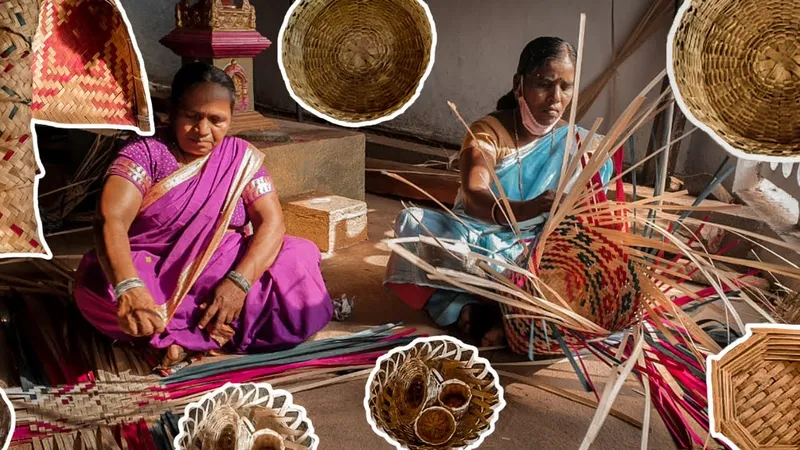
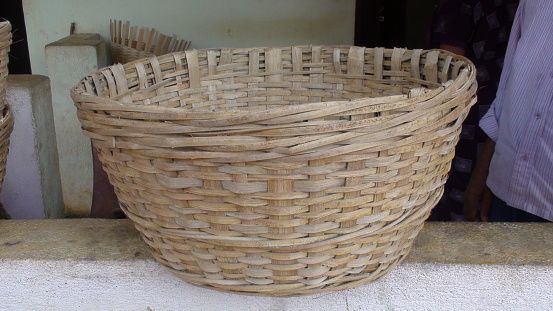
The rich tradition of basket weaving, or canecraft, has been an integral part of Goa’s cultural and domestic life for centuries. Goan basket weavers, with their unparalleled craftsmanship, have shaped the way Goan homes and lifestyles functioned in harmony with nature. This humble yet extraordinary craft has provided everyday essentials that are not only functional but also artistically exquisite.
A Legacy of Strength and Functionality
Goan basket weaving is synonymous with strength and durability. In many Goan households, items like winnowing fans (locally called supa) are so well-crafted that they are passed down from one generation to the next. These fans, made from cane or bamboo, are used for separating grain from chaff—a practice that remains vital in agrarian communities.
Similarly, expertly woven baskets have proven their worth over time by protecting essentials like salt, which would otherwise be prone to moisture during the monsoon season. Mats crafted by these artisans serve as sleeping surfaces, blending comfort with the earthy aesthetics of natural materials.
A Basket for Every Need
What sets Goan basket weaving apart is its specificity and utility. Each basket is designed for a distinct purpose, and every type has a unique Konkani name. For instance:
- Fish baskets are sturdy and ventilated, tailored for carrying freshly caught fish.
- Bread baskets are designed to fit snugly onto bicycles, ensuring loaves reach their destination intact.
- Vegetable baskets make trips to the local markets convenient.
- Chicken carriers and harvest paddy baskets reflect the diversity of this craft.
Large baskets, known as patlos, hold a special place in Goan weddings. These beautifully designed baskets are used to serve and present food during wedding feasts, combining functionality with cultural symbolism.
Beyond Baskets: A Universe of Canecraft
Goan basket weaving isn’t limited to baskets alone. The artistry extends to hand-held fans (aenom), fish traps, tree guards (virlem), and mats. These items, designed for everyday use, often transform into objects of beauty under the skilled hands of Goan weavers. The intricate patterns and natural finishes reflect the state’s connection to nature and its emphasis on utility.
Preserving Tradition Amid Modernization
While modern materials like plastic and metal have replaced traditional baskets in many parts of the world, Goan basket weaving persists as a living art form. The weavers’ ability to adapt their craft while maintaining its traditional essence has kept the practice alive. Today, these handmade products are not just household items but also sought-after souvenirs and symbols of sustainable living.
Experience Canecraft at Mapusa Market
For an authentic glimpse into this time-honored craft, head to the bustling Mapusa market on a Friday. Here, you’ll find a vibrant display of canecraft, ranging from everyday baskets to ornate wedding patlos. It’s a lively celebration of local craftsmanship, where artisans proudly showcase their skills and continue to keep this heritage alive.
Conclusion
Canecraft is more than a craft; it is a reflection of Goan ingenuity and resourcefulness. Each basket, mat, or fan carries with it a story of sustainability, cultural significance, and artistic mastery. By embracing and supporting this traditional craft, we not only preserve an important aspect of Goa’s heritage but also promote a more sustainable and eco-conscious lifestyle.