

From the magazine
Omar de Loiola Pereira
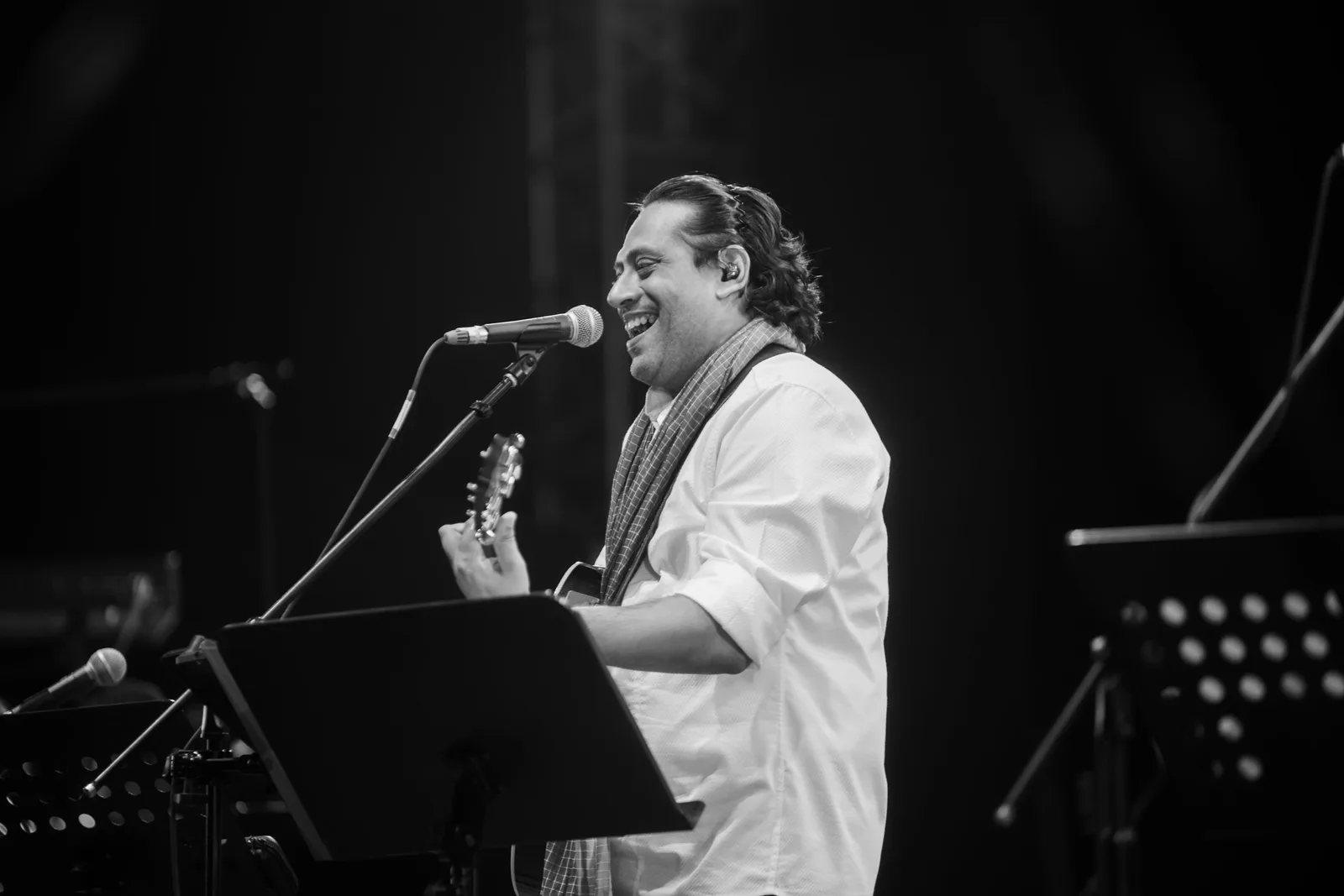
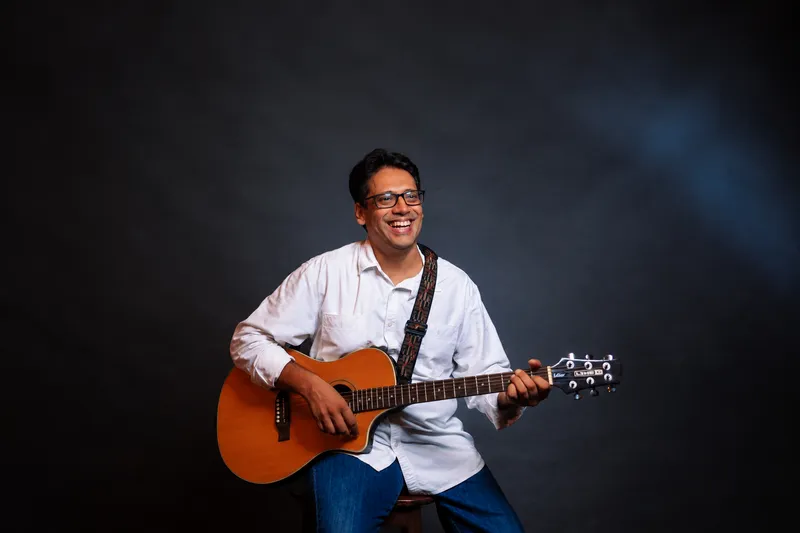
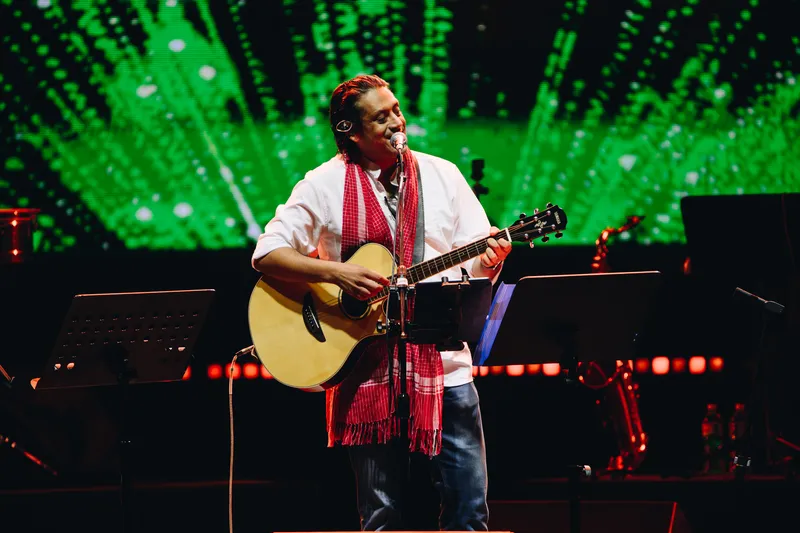
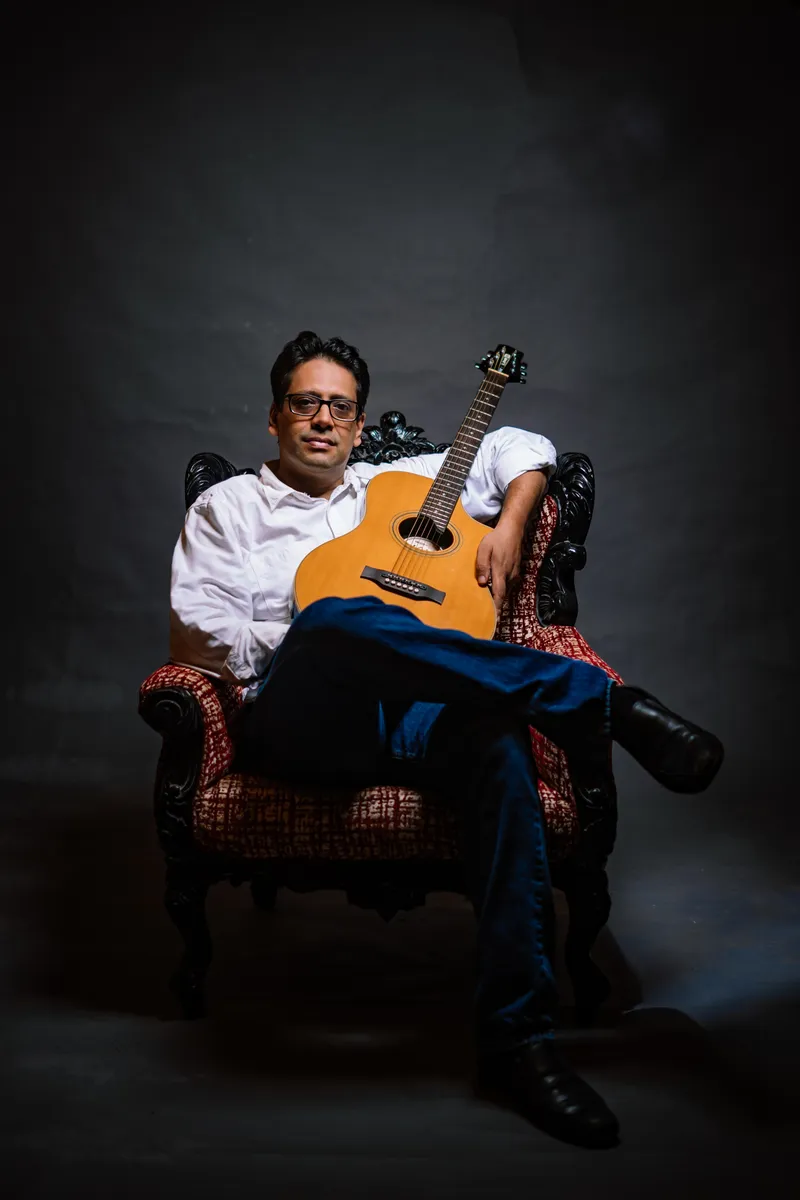
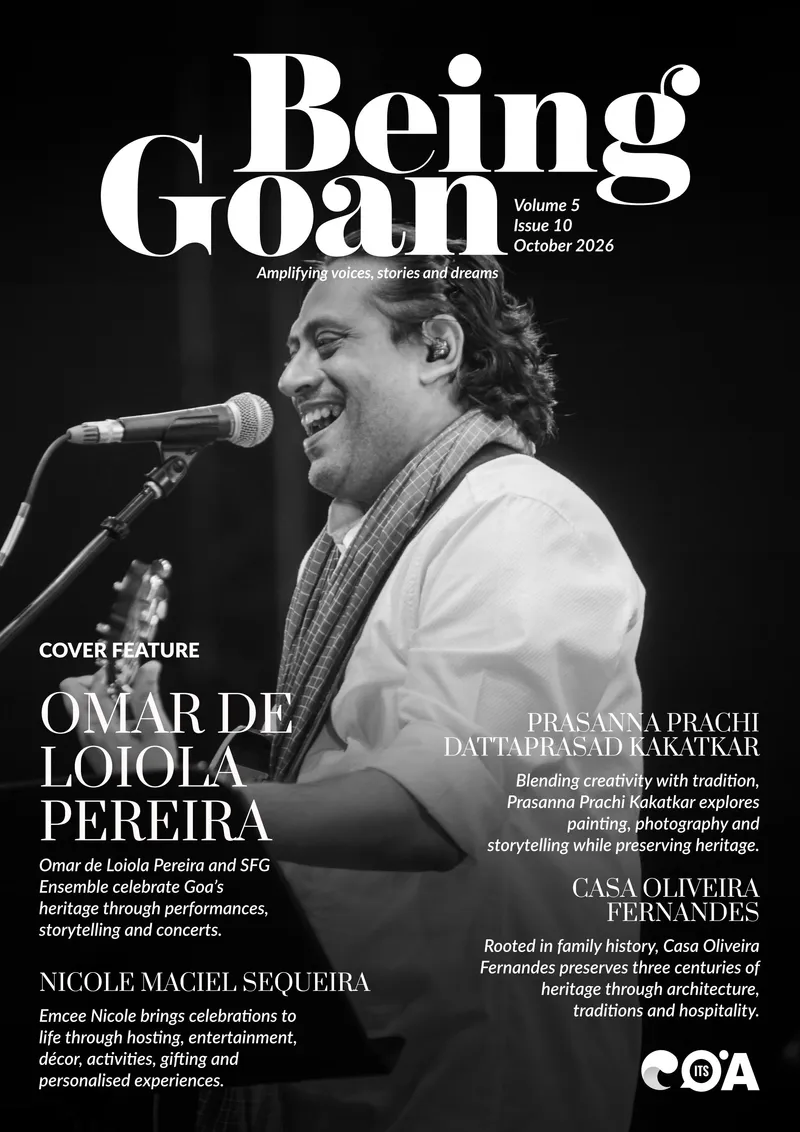
For Omar de Loiola Pereira, music has never been limited to performance. It has been a way of understanding, celebrating and sharing Goa’s distinctive cultural identity. A vocalist, guitarist, arranger, choral conductor and musical director, Omar has spent more than four decades immersed in music, drawing naturally from the multilingual and multicultural environment in which he was raised. Today, through Omar de Loiola Pereira & the SFG Ensemble, he brings together English, Portuguese, Konkani and Spanish music, creating performances that move comfortably between traditional Goan repertoire, Latin influences, English retro and contemporary interpretations.
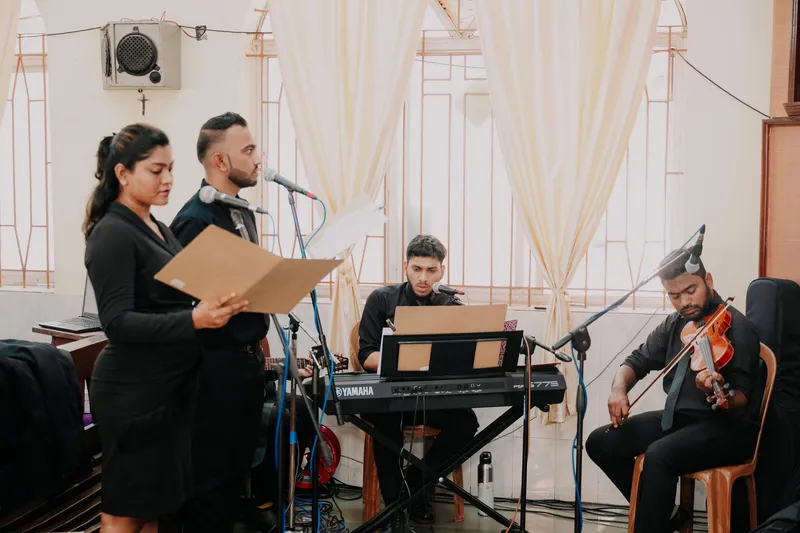
The ensemble, whose name stands for Sounds From Goa, is the latest evolution of a musical journey that has taken several forms over the years. What began as a trio called Harmonique, followed by Entre Nós, gradually developed into the present ensemble. Along the way, Omar has worked with musicians and vocalists including Efigenia Miranda e Sa, Nadia Rebelo, violinist Selwyn Menezes, keyboardist Nigel Vales and percussionist Nahil Flores. Their shared interest in music rooted in Goa’s past eventually developed into a broader effort to revive sounds that once resonated strongly across the state.
A Musical Identity Shaped by Goa
Omar’s relationship with the music he performs is deeply personal. Raised in a Portuguese-speaking family, his earliest musical experiences involved singing in Portuguese and Konkani, with English soon becoming another part of his repertoire. For him, the Indo-Portuguese character of Goan music is not something deliberately constructed; it is an inheritance shaped by generations of cultural exchange.
That heritage became a defining part of his musical path. Rather than restricting himself to a single genre, Omar embraced the diversity around him, allowing different languages, traditions and influences to coexist within his work. The SFG Ensemble reflects that approach, moving across genres while retaining a distinct Goan sensibility.
Its repertoire includes Mando, Dulpod, Dekhni, Fado and Konkani ballads, alongside popular Goan songs and English retro music. Omar sees these traditions as more than historical forms. They document everyday life, relationships, social concerns, celebrations and heartbreak, offering musical records of how Goans have lived and expressed themselves across generations.
Preserving More Than Songs
A central part of the ensemble’s work is the belief that preserving music also means preserving the stories surrounding it. Goa’s musical heritage encompasses folk traditions such as Dekhni, Mando and Fugddi, as well as the popular songs of composers including Chris Perry, Alfred Rose, M. Boyer, C. Alvares and Robin Vaz.
The ensemble presents these works with context, helping audiences understand the people, circumstances and cultural influences behind the music. This approach is particularly significant when introducing younger audiences to repertoire that may otherwise disappear from everyday listening habits.
The effort extends beyond concert stages through Cantaram for the Community, an outreach initiative undertaken with Communicare Trust and Leaxan Freitas. The programme introduced school students across Goa to Goan composers and their music. The response revealed an unexpected level of curiosity among young listeners, many of whom were encountering several of these songs for the first time. Some even became interested in learning and performing the music themselves, demonstrating how exposure can create a new connection with an older musical tradition.
Sounds From Goa and the Heritage Home Concert
The idea of presenting music within Goa’s traditional homes had long been a personal dream for Omar, inspired in part by his own ancestral residence. During the Covid-19 lockdowns, that vision took an unexpected first step when he was invited to perform an online concert for a corporate audience.
Instead of choosing a studio setting, Omar performed from the hall of his family’s ancestral home. The combination of Goan music, familiar English songs and the traditional surroundings resonated strongly with viewers. Videos from the performance later reached Schubert Fernandes, a PR professional who had been considering a similar concept. Their shared vision eventually led to the creation of Sounds From Goa.
The Heritage Home Concert developed from that beginning into an intimate cultural experience. Hosted at Omar’s ancestral residence, the concerts allow performers and audiences to interact at close range, creating an atmosphere that feels less like a conventional stage performance and more like a shared gathering. The setting becomes part of the performance, giving audiences an opportunity to experience Goa’s Indo-Portuguese heritage while listening to the music associated with it.
Five Elements of a Goan Cultural Experience
A full Heritage Home Concert is designed around more than music. The experience begins with a guided tour of the ancestral home, introducing visitors to its history, architecture, heirlooms and purpose. This is followed by high tea featuring traditional Goan savouries, sweets and beverages.
The audience then gathers in the main hall for a carefully curated presentation of music and dance. Omar describes the experience through four principal elements: the venue, cuisine, music and dance. Yet there is another element that connects them all: context.
Through explanations and stories woven into the programme, the audience learns why particular songs, traditions and cultural practices matter. This storytelling transforms the experience from simply listening to music into an opportunity to understand the cultural landscape from which it emerged.
Taking Goa Beyond Its Shores
The ensemble’s work has also travelled beyond Goa and India, allowing Omar to present Goan music to audiences with different relationships to the culture. Among the notable experiences was a Portuguese concert tour organised by Nalini Elvino Sousa and Communicare Trust.
The tour began with a sold-out performance at the Museu do Oriente in Lisbon. Demand was strong enough to lead to a second Lisbon concert, which had to be moved to a larger auditorium. That performance also sold out, resulting in two full houses and an overwhelmingly positive response.
Another memorable experience came at a concert in Macau, facilitated by Fundação Oriente to commemorate 50 years of Portuguese democracy. For Omar, the emotional response from the audience created a particularly powerful connection between performers and listeners, one that went beyond language.
Within Goa, performances at heritage locations have also provided significant milestones. Tunes on the Tides at the Aguad jail complex in Sinquerim remains among the heritage venues that Omar remembers most prominently.
A Living, Evolving Ensemble
Although traditional Goan music forms an important part of its identity, SFG is not exclusively a heritage ensemble. Its repertoire extends into English retro, Portuguese music beyond the traditional repertoire, Spanish selections, instrumentals and other genres. The group performs for private celebrations, corporate events, anniversaries and parties, adapting its musical format according to the occasion.
These seemingly different musical worlds can also intersect within a single performance. Traditional Goan pieces can sit alongside international repertoire, reflecting the same cultural openness that has long shaped Goa itself.
For Omar, this versatility is an important part of what audiences may not immediately discover from a Heritage Home Concert. SFG is a multi-genre, multilingual ensemble capable of moving between musical settings while maintaining its connection to Goa.
Music as a Bridge Between Generations
Omar believes that culture survives through many forms, including language, architecture, cuisine, crafts, stories, arts and music. His role as a musician allows him to contribute specifically to the preservation and dissemination of Goa’s musical heritage.
Storytelling is central to that responsibility. A song that may already be familiar to an audience can acquire an entirely different meaning once its history and context are understood. By explaining the stories behind the repertoire, Omar hopes to encourage listeners to see these compositions not simply as old songs, but as cultural records.
The response from younger audiences through Cantaram for the Community has reinforced that belief. Their interest in the composers, songs and even older recording formats such as shellac records, vinyl and cassettes demonstrated that curiosity about the past can still be sparked when it is presented in an engaging way.
Beyond the Stage
Outside his professional musical life, Omar remains deeply interested in Goa itself. He enjoys exploring the state, learning about its people, stories, cuisine, geography and history. Travel also forms part of his interests whenever circumstances allow.
In many ways, these interests mirror the philosophy behind his music. His work is rooted in an ongoing curiosity about the place he calls home and the many layers that make up its identity. Music becomes another way of exploring those layers and sharing them with others.
Looking ahead, Omar and the SFG Ensemble are exploring ways to expand their Heritage Home Concerts into additional genres while continuing to develop the Cantaram initiative. New collaborations, performances, recordings and tours are also being considered.
At the heart of these plans remains the same purpose that has shaped Omar’s musical journey: to keep Goa’s distinctive musical voice heard, understood and passed on. Through intimate performances, heritage spaces, storytelling and a repertoire that crosses languages and generations, Omar de Loiola Pereira & the SFG Ensemble demonstrate that preserving tradition does not necessarily mean keeping it in the past. It can mean giving it a setting in which it can continue to live, evolve and find new listeners.