






From the magazine
Nationalization of Rivers - boon or bane?
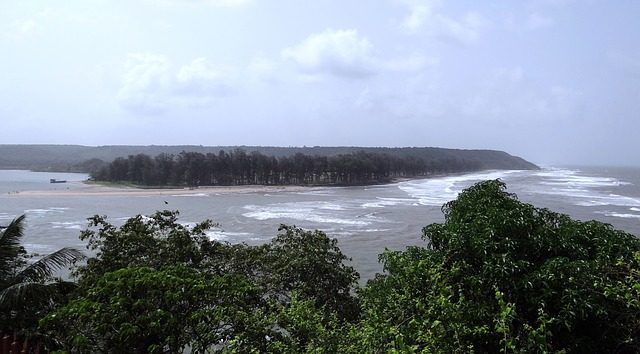
Six Goa rivers namely Chapora, Cumbharjua, Mandovi, Mapusa, Sal and Zuari have been selected for nationalisation under the recent Nationalization of Inland Waterways Act, 2016, passed by the Union Government through the Parliament.
What is Nationalisation?
Nationalisation is the process of taking on an industry or assets into government ownership.
(Nationalisation of our state rivers means total control of the rivers by the Central Government).
Importance of Rivers
Rivers play an important role in the lives of the village people. The river systems provide irrigation, potable water, cheap transportation, electricity, and the livelihoods for a large number of people.
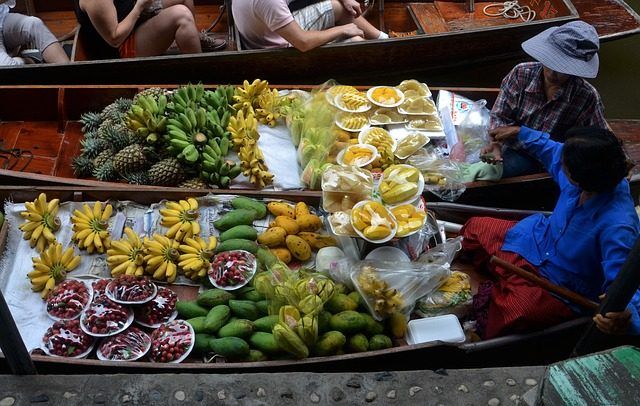
Farm fresh produce
From a broader perspective, Nationalisation is beneficial in more ways than one.
- River development enables bigger cargo ships and cruise liners entry into the Port
- Linking of rivers curtails flooding on the banks and surrounding areas causing an even distribution of river water.
- Nationalisation of State Rivers would benefit remote areas in the state that do not have access to potable water.
- River transport development would facilitate cheaper means of travel compared to road transport.
- A proper river transport system would help decongest roads in Goa which are overloaded with traffic.
- Water transport would enable farmers to transport their produce to far-off markets. From remote hinterlands, exotic and rare fruits and vegetables can and easily to the markets across the state. Thus encouraging farming. Many farmers in the state are giving up their occupation and seeking urban employment to make ends meet due to high overhead costs of farming.
- Developed waterways would mean interconnection of Villages across Goa, thus being a harbinger of modernisation of these villages with amenities like electricity, potable water etc.
- Commuting to different parts of Goa for work or tourism would be less tedious and faster.
- Development of banks of the rivers would facilitate trade. Export of Goan handicrafts, farm produce, goan food products etc. would be possible to other countries as well as other parts of the country.
Under the Central government nationalisation scheme, the state would be provided with finance to create infrastructure along the inland waterways which will take traffic load off the roads.
Should the Centre control our rivers?
According to a TOI report, Congress leader and Rajya Sabha MP Shantaram Naik felt that dredging of the rivers could be carried out to make the rivers more navigable instead of nationalisation with proper financial assistance to the state. According to him, the Centre will gain control of property on either side of the rivers along with some unspecified area of land.
If the Centre takes over under the garb of 'Nationalisation', then the State loses control of its rivers.
According to a blogger on India Bix, "nationalisation could result in gross injustice if the government allots larger quantities of water to the neighbouring states than to the state in which the rivers originally flow".
Progress is always good. But the effects of progress can be catastrophic if not planned carefully.