
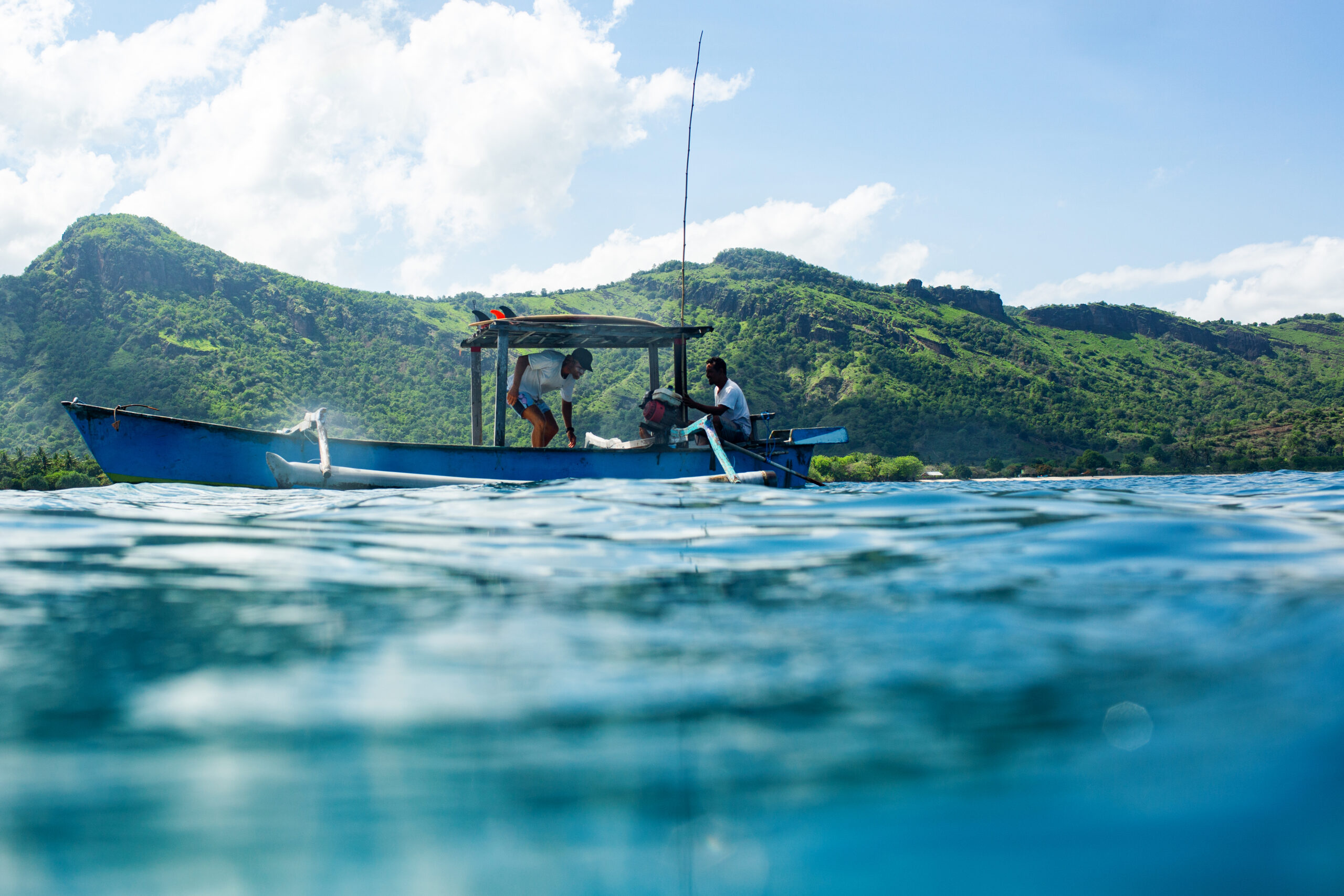
Seasonal fishing in Goa plays a vital role in the state’s coastal economy. Thousands of families depend on fishing for income, food security, and livelihood. However, fishing in Goa does not happen all year round. Seasons, weather, and government regulations significantly impact how fishermen earn a living and plan their lives.
Understanding Seasonal Fishing in Goa
Seasonal fishing in Goa follows the natural rhythm. Fishermen usually stop deep-sea fishing during the monsoon months, from June to August, due to rough seas and government-imposed fishing bans. These bans protect fish populations and help marine life regenerate. Once the season reopens, fishing activity increases rapidly along the coast.
How Fishing Seasons Affect Income
Fishing seasons directly affect fishermen’s earnings. During peak months, especially from September to May, fishermen earn well due to higher fish availability and strong market demand. During the monsoon ban, income drops sharply. Many fishing families depend on savings, alternate jobs, or government support during this period.
Cost of Equipment and Operations
Seasonal fishing in Goa involves high operating costs. Fishermen invest in boats, nets, fuel, ice, and maintenance. Fuel prices and equipment repairs often reduce profits, especially for small-scale fishermen. When the fishing season shortens due to weather changes or policy shifts, these costs become harder to recover.
Role of Local Fish Markets
Local fish markets play a major role in the economics of seasonal fishing in Goa. Prices rise when supply drops and fall when the catch increases. Fisherwomen and vendors help connect fishermen to consumers, hotels, and restaurants. Tourism season also boosts demand, allowing fishermen to earn better margins.
Impact of Government Policies
Fishing bans and regulations shape fishing in Goa. While these rules protect marine resources, they also affect short-term income. Government compensation schemes, fuel subsidies, and skill-training programs help fishermen manage the off-season and reduce financial stress.
Climate Change and Uncertainty
Climate change adds new challenges to seasonal fishing in Goa. Unpredictable weather, changing fish patterns, and rising sea temperatures affect catch quality and quantity. Fishermen now face more risk and uncertainty than before, making seasonal planning harder.
Adapting to Seasonal Challenges
Many fishing families adapt by taking up tourism-related work, net making, fish processing, or small businesses during the off-season. Some invest in cold storage and value-added seafood products to increase earnings beyond the fishing months.
Conclusion
Seasonal fishing in Goa supports livelihoods, local markets, and food supply, but it also brings economic uncertainty. By balancing conservation, fair policies, and community support, Goa can protect its fishing heritage while ensuring stable incomes for future generations.