
In an age where memories are increasingly stored in digital folders and fleeting social media posts, Goa Familia stands as a remarkable initiative dedicated to safeguarding the personal histories that collectively define Goa’s cultural identity. More than an archive, it is a living, evolving community project that brings together family photographs, oral histories, memorabilia, and personal narratives to create a richer understanding of Goa and its people across generations and geographies.
Founded as a long-term curatorial and community-driven project, Goa Familia has become a significant platform for documenting and sharing family archives from Goa and the Goan diaspora. Through its work, the collective has demonstrated that family albums are not merely repositories of personal memories but valuable historical documents that offer insights into everyday life, migration, belonging, heritage, and social change.
The Vision Behind Goa Familia
Goa Familia was initiated through the support of the Serendipity Arts Foundation in collaboration with Rahaab Allana of the Alkazi Foundation. The project is led by art historian, curator, and educator Lina Vincent alongside photographer, curator, and writer Akshay Mahajan. Over the years, the initiative has also benefited from the contributions of project associates including Christina Dedhia, Nishant Saldanha, Manashri Pai Dukle, and Divesh Gadekar.
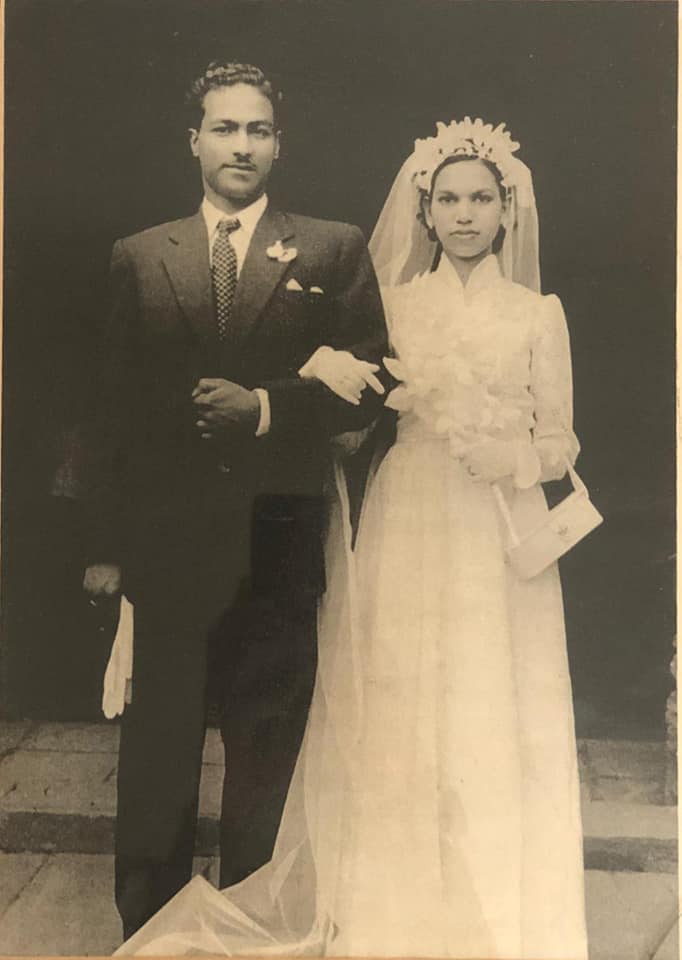
At its core, Goa Familia seeks to bridge private memories and public histories. By collecting and documenting photographs, oral testimonies, and archival materials from families across Goa and the global Goan diaspora, the project creates new ways of understanding photography, memory, and cultural heritage. It ensures that invaluable personal histories are preserved while making them accessible to future generations.
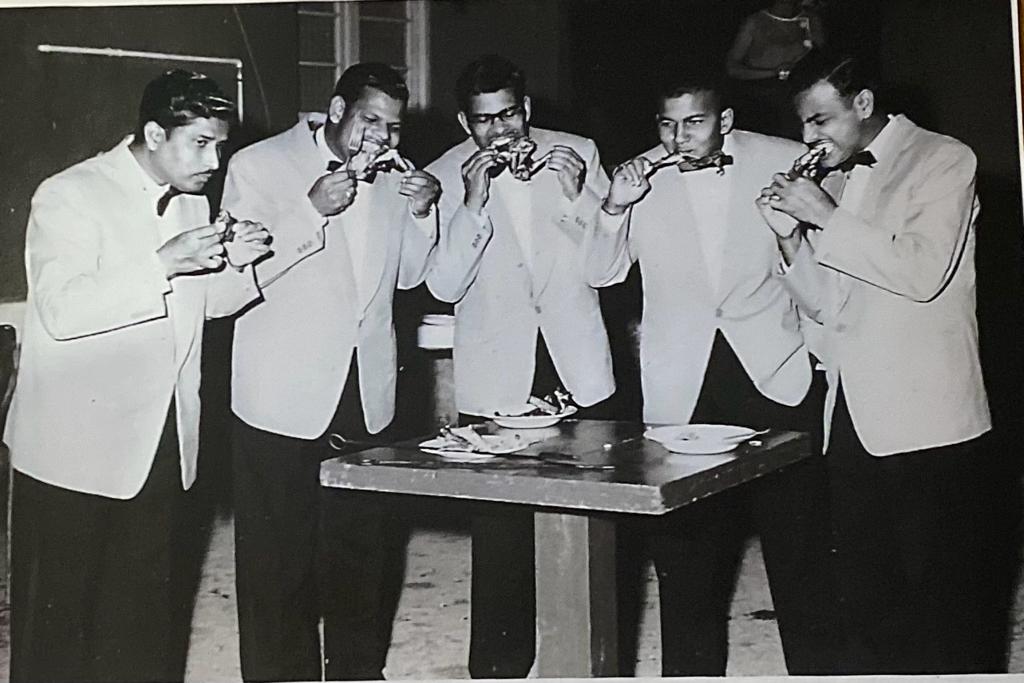
The collective’s work reveals both well-known historical events and lesser-known personal narratives that often remain hidden within family collections. These stories offer multiple perspectives on Goan identity, reflecting themes of migration, displacement, belonging, religion, politics, culture, and social transformation. Photography serves as the thread that connects these diverse experiences, creating a visual dialogue between past and present.
Building a Community Through Shared Memories
The inspiration behind Goa Familia emerged from a recognition that photographs are not only instruments of remembrance but also reflections of absence, loss, and the complexities of memory itself. Family albums often contain fragmented narratives, gaps, and unexpected connections that invite interpretation and reflection.
Through a careful and sensitive approach, the project has created a space where families feel comfortable sharing their stories. Rather than imposing meanings onto archival material, the team focuses on presenting narratives authentically and respectfully. Trust has become one of Goa Familia’s greatest achievements, allowing it to engage with contributors from diverse backgrounds and communities throughout Goa.
The collective does not acquire or permanently retain physical materials. Any borrowed photographs or objects are digitized and returned to their owners, ensuring that contributors maintain ownership of their family histories while enabling preservation and public engagement.
Exhibitions That Bring History to Life
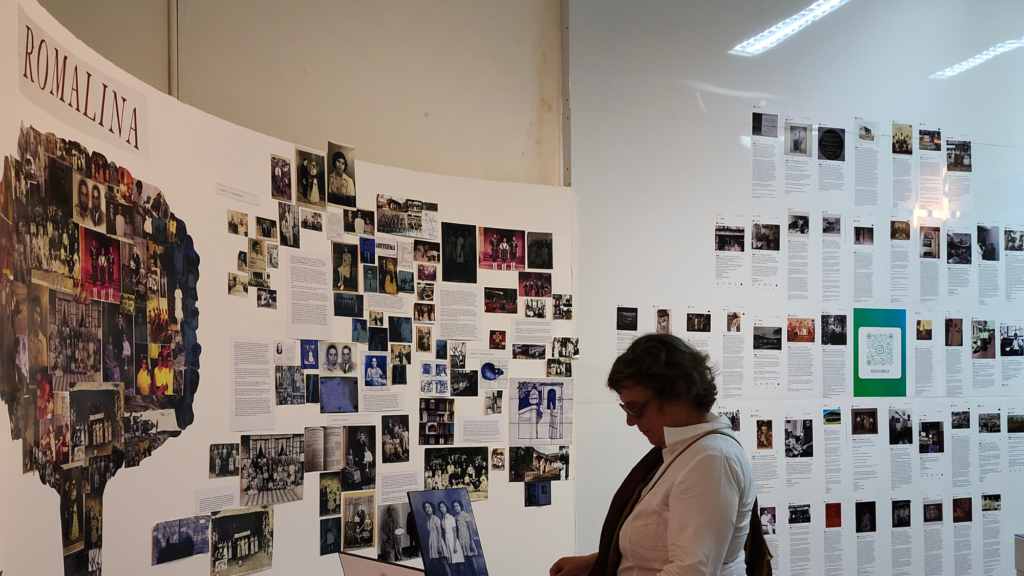
Since its inception, Goa Familia has developed a series of exhibitions that function not only as displays but also as active research spaces where archives gain deeper meaning through public engagement.
The project’s first exhibition debuted in 2019, presenting its initial research and collection of digitized family albums. It marked the beginning of a larger conversation about the value of personal archives in understanding Goa’s social and cultural landscape.
In 2022, the exhibition Families are Like Rivers explored histories connected to the River Mandovi, examining how waterways have shaped communities, livelihoods, and memories.
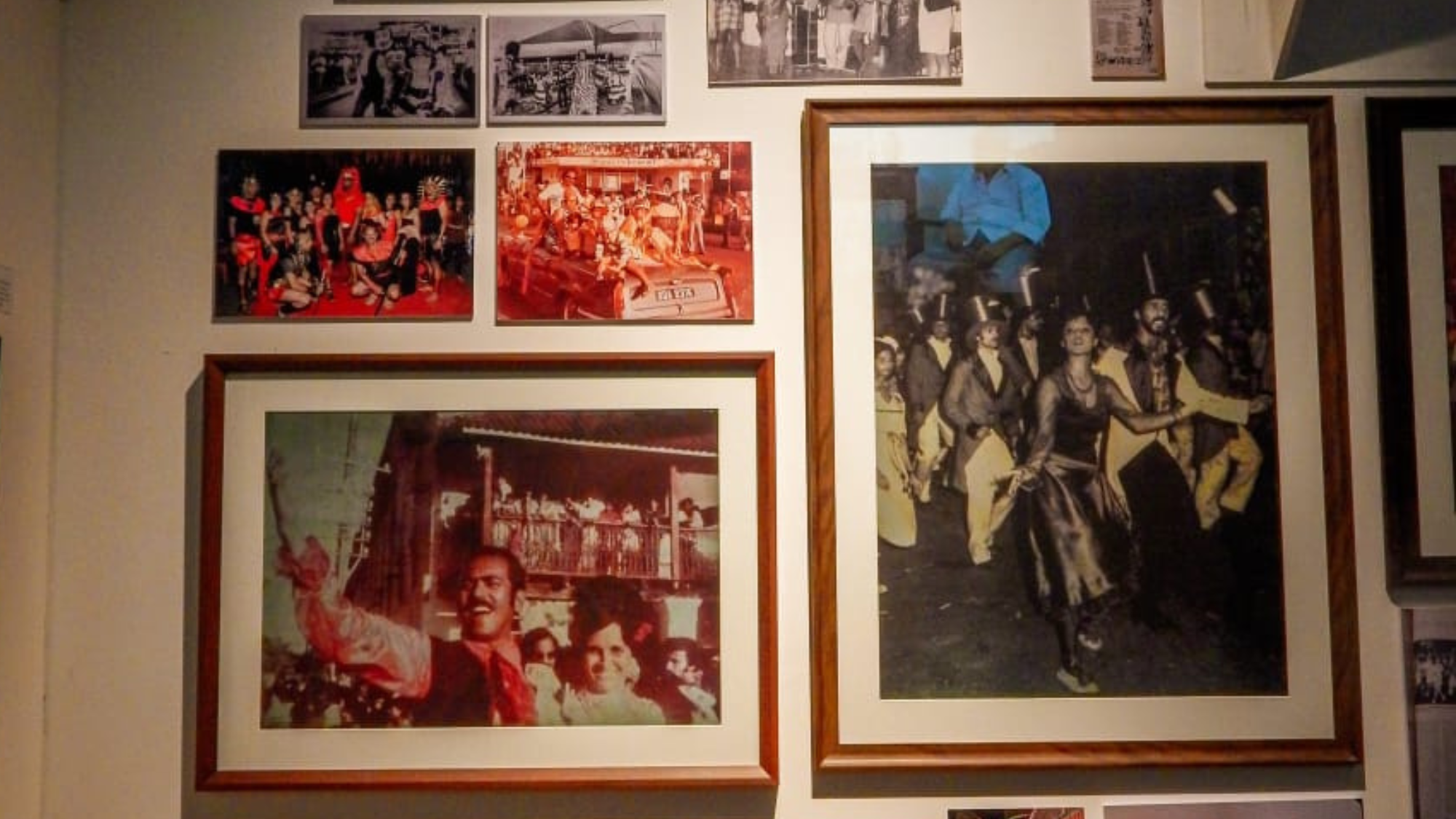
The following year, the collective presented Let the Sound Linger: Awaz Gazum-di, an exhibition that investigated music as a powerful thread connecting Goans both within Goa and across the diaspora. Through photographs, stories, and memorabilia, the exhibition highlighted the role of music in preserving cultural identity across generations and continents.
In 2024, Goa Familia expanded its vision with Archive of Potential (Goan) Futures, a groundbreaking exhibition that shifted focus from historical archives to the archives being created in the present. The project explored contemporary interpretations of what archives can be in an increasingly digital and participatory world.
Each exhibition has been accompanied by workshops, discussions, and community engagement initiatives, reinforcing the collective’s commitment to making archives accessible and meaningful.
Stories That Leave a Lasting Impact
Among the many narratives documented by Goa Familia, one particularly moving project emerged during the development of Let the Sound Linger: Awaz Gazum-di.
The team interviewed the late Abdonio Caetano Agnelo Rodrigues, widely regarded as one of Goa’s finest drummers, as well as an accomplished violinist and trombone player. Through conversations with him and his family, Goa Familia assembled an exhibition that celebrated his remarkable musical journey and contributions to Goan culture.
Despite his advanced age and declining health, Abdonio attended the exhibition in Panjim and was deeply moved by the way his life story had been presented. Visitors responded with their own memories and tributes, creating a collective celebration of his legacy. Following his passing in January 2024, the project gained even greater significance, having preserved and shared his voice and experiences for future generations.
Another memorable initiative was Sacred Archives, developed in partnership with the Museum of Christian Art during the 2024 Exposition in Old Goa. The exhibition invited community participation through an open call and showcased personal materials related to devotion, faith, and collective memory. The collaboration highlighted Goa Familia’s ability to bring archival practices into new public spaces while encouraging contemporary engagement with history.
Supporting Artists, Researchers, and Cultural Practitioners
Throughout its journey, Goa Familia has acted as a facilitator for dialogue among artists, historians, researchers, and cultural practitioners engaged in documenting oral histories and photographic archives.
The collective has collaborated with and showcased the work of numerous contributors, including Vince Costa, Clarice Vaz, Marius Fernandes, Nalini Elvino D’Sousa, Justina Costa, Maendra Alvares, Kaustubh Naik, and Rajendra Kerkar, among others.
Its 2024 exhibition, Archive of Potential (Goan) Futures, further expanded this collaborative approach by inviting projects that reimagined archival practices. Contributors explored themes ranging from culinary heritage and traditional livelihoods to environmental concerns, village histories, and architectural preservation.
The exhibition demonstrated how archives are no longer confined to physical collections. Digital storytelling platforms, social media projects, community documentation initiatives, and everyday experiences can all become valuable forms of cultural preservation. Through this approach, Goa Familia continues to challenge conventional definitions of what constitutes an archive and who has the authority to create one.
Challenges and Continued Growth
Like many community-based initiatives, Goa Familia has faced its share of challenges. In its early stages, the founders encountered the difficulties often experienced by individuals working outside their immediate communities. Building trust required patience, relationship-building, and the support of friends and collaborators who helped open doors and establish connections.
Funding remains an ongoing concern, particularly for activities conducted outside the framework of major festivals and exhibitions. The collective continues to explore sponsorships, grants, and partnerships to sustain and expand its work.
There are also broader challenges associated with archival practice in the digital age. While every effort is made to protect contributions and respect ownership, the team remains aware of the risks associated with unauthorized reproduction and circulation of archival material. Nevertheless, these challenges have not diminished their commitment to preserving community histories responsibly.
Recognition and Influence
The impact of Goa Familia extends well beyond Goa. The project has been featured by respected platforms such as The Family Museum UK, The Print, and PIX. It has also been presented at the influential symposium Absent Archives and has become a subject of study for scholars and practitioners interested in archival methodologies across India.
Its growing reputation reflects not only the quality of its research but also the innovative ways in which it engages communities, making archives relevant, accessible, and participatory.
Looking Toward the Future
As Goa Familia continues to evolve, its ambitions remain deeply rooted in community engagement and cultural preservation. One of its long-term aspirations is to establish a permanent space in Goa where the extensive collection of stories, photographs, and research gathered over the years can be exhibited and experienced by the public.
The collective is also actively compiling material for a publication that will bring together research, writings, and insights generated through its years of work. At the same time, it remains open to collaborations with individuals and organizations exploring similar themes of memory, heritage, and identity.
Preserving the Soul of Goa
What sets Goa Familia apart is its understanding that history is not found solely in official records or institutional collections. It lives within family albums, personal letters, shared recollections, and everyday moments that might otherwise be forgotten.
Through patience, sensitivity, and an unwavering commitment to community participation, Goa Familia has transformed private memories into a shared cultural resource. In doing so, it has created an invaluable archive of Goan life, one that honours the past, enriches the present, and ensures that future generations remain connected to the stories that shaped them.
For Goa Familia, the greatest achievement is not measured by exhibitions or accolades, but by the trust, affection, and recognition it receives from the people whose histories it helps preserve. It is this relationship with the community that continues to guide its journey and strengthen its mission of keeping Goa’s collective memory alive.