
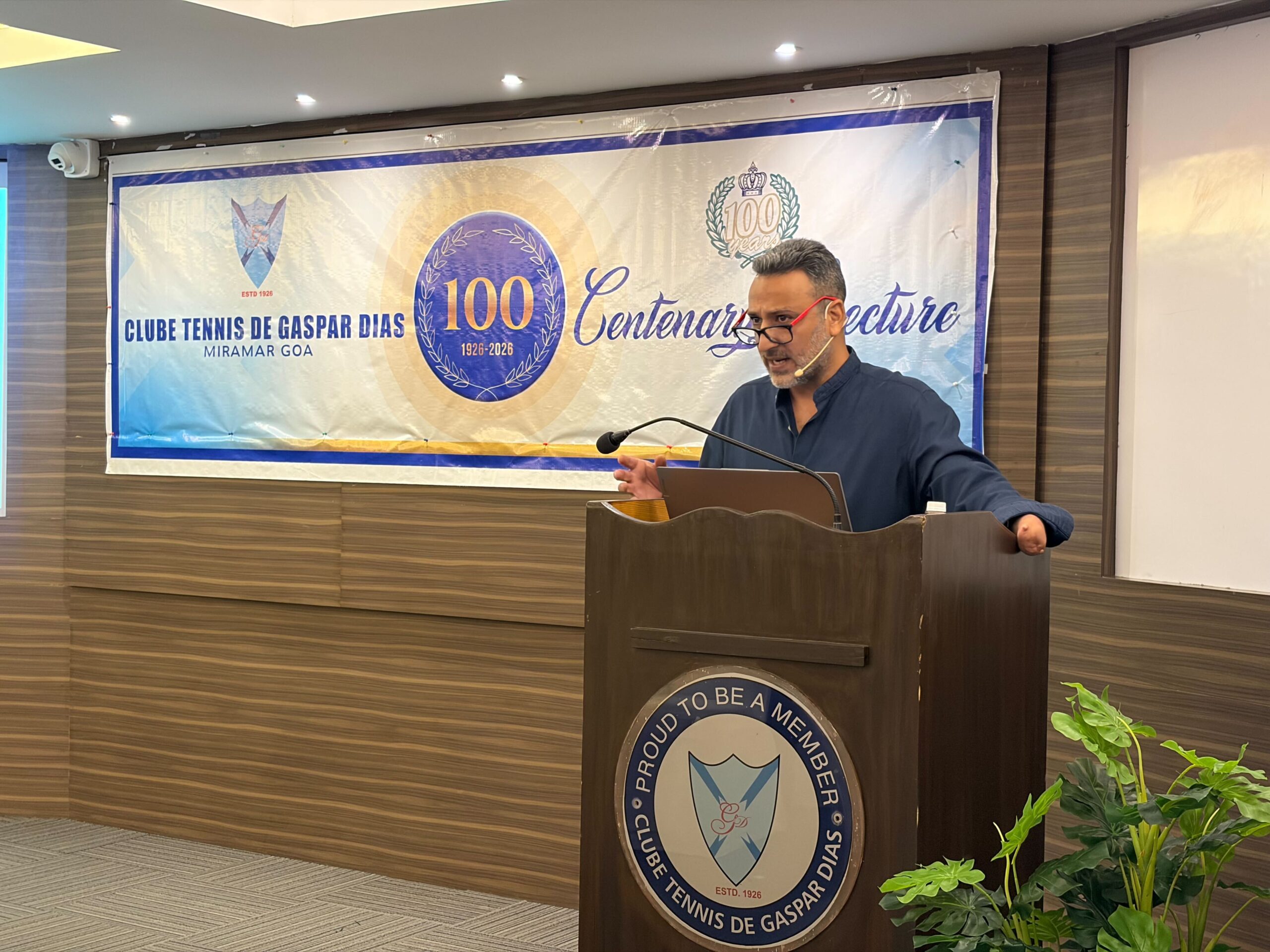
~ Urgency is the trap laid out by the cyber attackers, according to the cybersecurity expert Mir Ayaz Kanth.
Being susegado, a trait that Goans are often considered synonymous with, is perhaps the best means to counter online scams and cyber-attacks, according to cybersecurity expert Mir Ayaz Kanth.
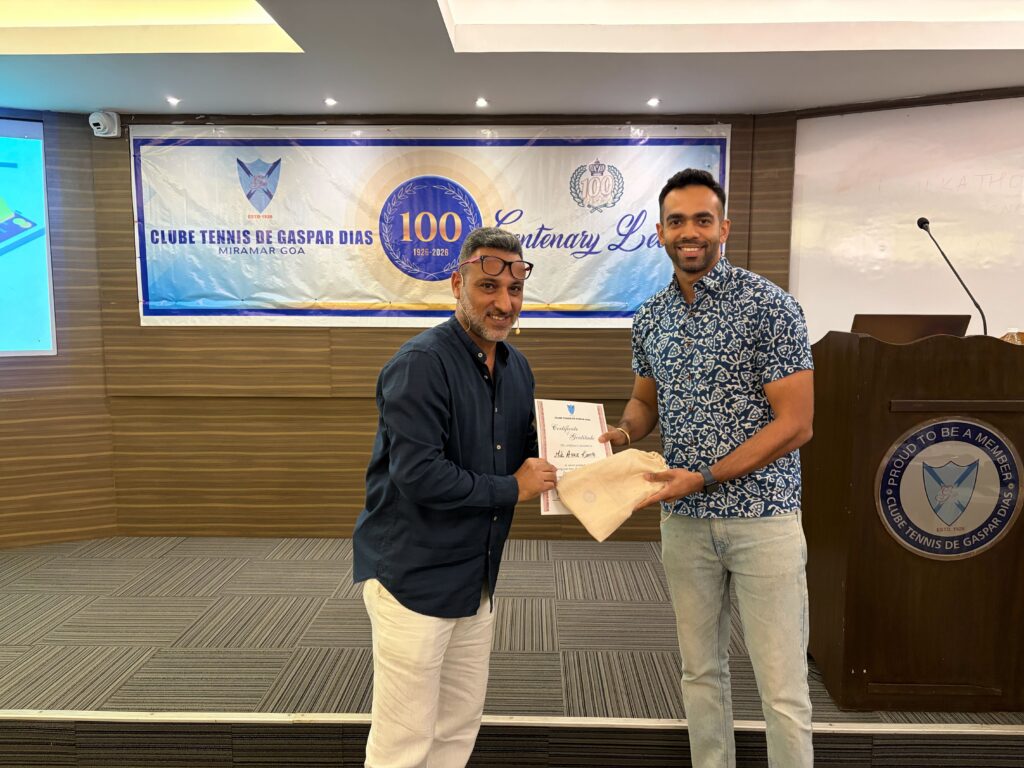
“All these messages or calls sound very urgent. So, urgency is their trap. Don’t click immediately, as pausing for five seconds prevents 90 per cent of scams. Being ‘susegad’ is probably the best mechanism to deal with scams,” said Kanth, founder-director of cybersecurity services company JNZ Kustos, who was conducting a ‘Cybersecurity Awareness Session’, as part of the ongoing centenary celebrations at Clube Tennis de Gaspar Dias, Miramar, Panaji.
The session conducted by Kanth was specially dedicated to senior citizens, who often tend to end up as the victims of such cybercrimes such as online scams, fake messages and digital tricksters.
During the session, Kanth said that Goans lost more than a staggering Rs. 150 crore to cyber fraud in just one year, 2024, but added that due to consistent awareness created by government agencies, there was a considerable drop in high-value cyber crime to up to 22 per cent in the first half of 2025.
During his lecture, Kanth said that according to CERT-In, the nodal agency responsible for handling cybersecurity incidents in India, the fastest-emerging fraud in the country is the fake UPI or QR code scam. He explained that scammers often affix fake QR codes on shopfronts to trick unsuspecting customers.
Other scammers try to exploit KYC updates, OTP via fake bank calls, etc. “OTPs are like your toothbrush, never share with anyone,” Kanth said, adding that senior citizens should be mindful of the links shared via messaging apps like WhatsApp, fake shopping sites, etc.
Elaborating on three major types of scams, Kanth said that phishing is carried out through emails, where scammers ask for OTPs, Aadhaar details and other sensitive information. The second is smishing, which is done via SMS or WhatsApp messages containing malicious links or urgent requests that appear to be from a family member or friend whose account has been hacked, often followed by demands for money. The third is vishing, which involves voice calls and includes tactics such as digital arrest scams.
Kanth also listed various precautionary measures, such as locking one’s phone, enabling two-step verification on WhatsApp, using only official banking apps, always checking the recipient’s name while sending money via QR codes and avoiding the use of public Wi-Fi for downloads or banking transactions. He added that one should ideally use only their own chargers when charging phones in public places, especially at airports.
Kanth said that according to the newly enforced regulations, cyber fraud should be reported within six hours, as it helps authorities trace the perpetrators faster. For any assistance related to cybercrime, one can call the helpline number 1930.
During his one-hour talk, Kanth emphasised that citizens should be mindful of their online activities, verify information before sharing and always take a pause before clicking on any link.