
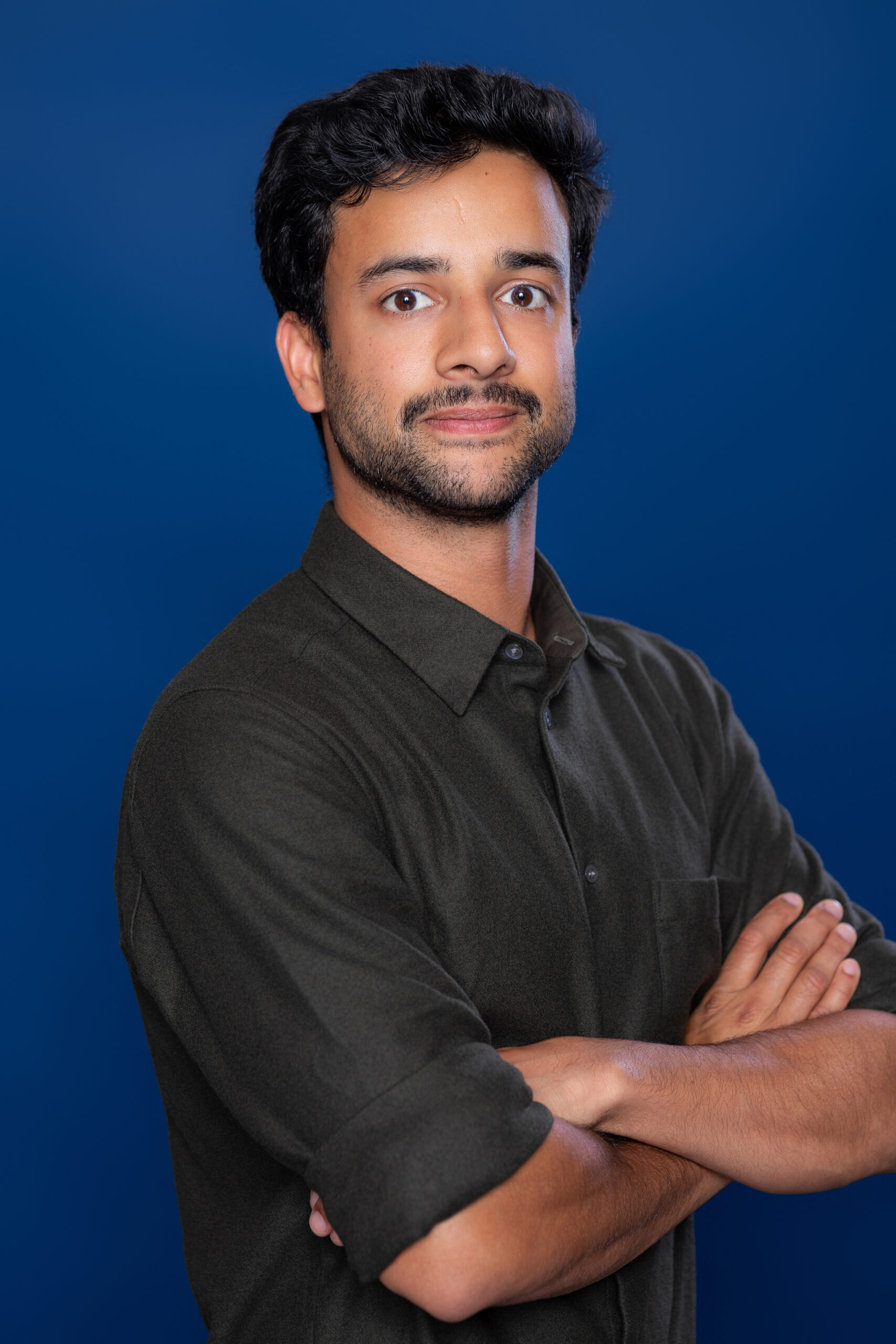
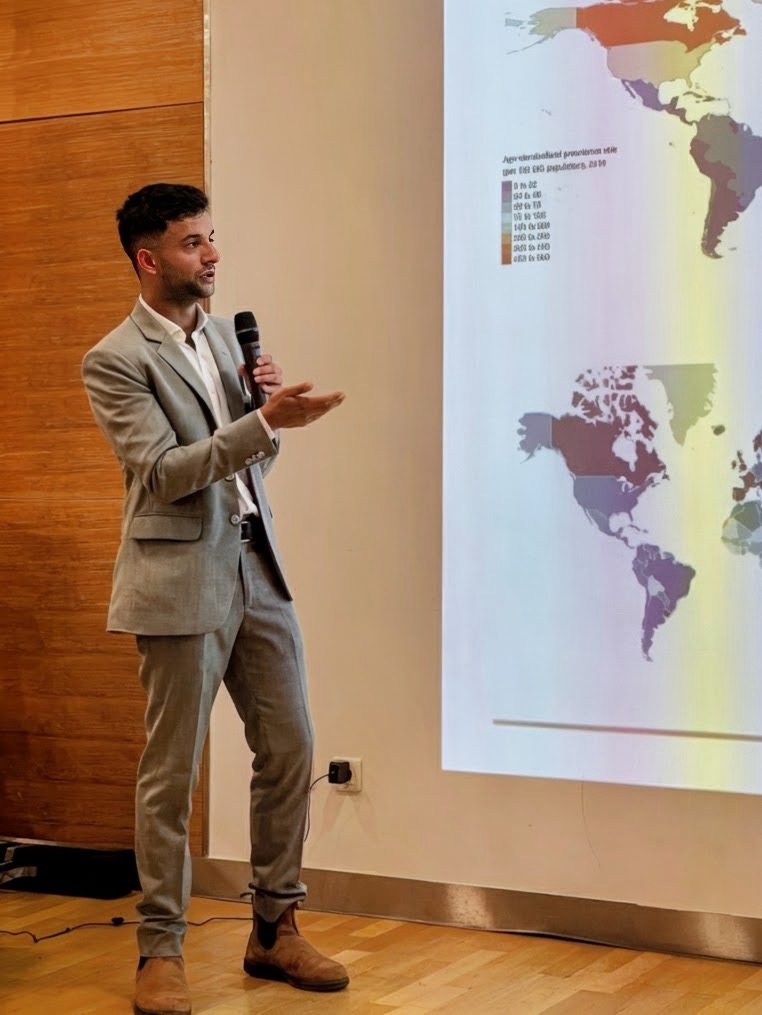
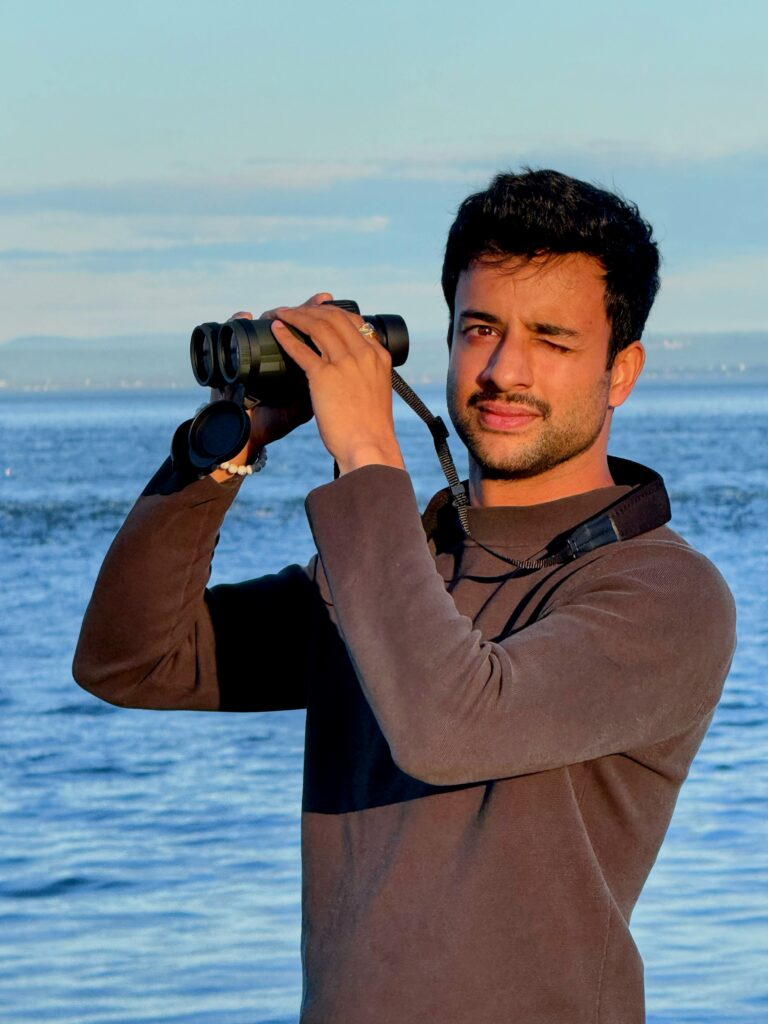

At the University of Montreal, a new research group is taking shape, one with an ambitious mission to understand cancer before it begins. Founded by Dr. Carino Gurjao, a scientist with deep Goan roots and a passion for unraveling complex biological questions, GurjaoLab focuses on the molecular events that silently unfold long before cancer becomes detectable.
In just six months, the lab has already positioned itself as a rising force in the field of early cancer prevention and precision oncology. Dr. Carino also acknowledges the deep influence of his roots, with his father, Gaspar Gurjao, hailing from Agacaim, and his mother, Piedade Dias Gurjao, from Ambelim near Assolna.
A New Research Vision in Montreal
Montreal has emerged as a thriving hub for scientific innovation, making it an ideal home for GurjaoLab. As Principal Investigator, Dr. Gurjao leads a growing team of researchers committed to studying the subtle DNA changes that initiate cancer development. These early alterations, often invisible for years, hold immense potential for transforming how we prevent, detect, and treat the disease.
At the core of the lab’s mission is a simple but powerful idea: understand the earliest molecular shifts in DNA, and use that knowledge to guide next-generation cancer therapy and prevention strategies.
The Scientific Question That Shapes the Lab
The team investigates DNA damage, genomic instability, and the biological “field” that allows tumours to take hold. By studying these early events, they aim to map the earliest stages of cancer initiation and identify genetic markers that can predict an individual’s risk years before symptoms arise.
This focus is motivated by a striking reality: an estimated 70% of cancers are believed to be preventable, yet prevention research receives only a fraction of global funding. GurjaoLab aims to address this imbalance by placing prevention and early detection at the forefront of its work.
Understanding Cancer Through DNA
Cancer is fundamentally a disease of the genome. Over time, DNA in healthy cells accumulates damage, and some of these changes can trigger uncontrolled growth. GurjaoLab studies these initial mutations using advanced sequencing technologies and computational tools that reveal patterns previously undetectable.
Rapid advances in genomics and falling DNA sequencing costs have empowered the lab to analyze far larger datasets, detect microbial signatures inside tumours, and uncover rare DNA alterations that were once impossible to pinpoint. These insights are essential for designing targeted therapies and predicting who may benefit most from specific treatments.
Current Research and Interdisciplinary Collaboration
Although still young, the lab is actively pursuing a series of collaborative projects. These initiatives involve experts from microbiology, surgery, epidemiology, and clinical research, reflecting the inherently interdisciplinary nature of cancer science. Each project pushes the team into new directions, requiring innovative methods and diverse scientific perspectives.
GurjaoLab’s work emphasizes building foundational datasets and analytic tools that will pave the way for future breakthroughs. While discoveries take time, the groundwork being laid today is crucial for answering some of cancer biology’s most difficult questions.
Launching the Lab: Challenges and Momentum
Starting a research group poses challenges beyond scientific complexity. For Dr. Gurjao, the most demanding aspect has been learning to manage people, creating an environment where researchers feel supported, motivated, and able to grow.
Securing over 5 crores in funding from Canadian agencies has enabled the lab to pursue long-term projects, invest in cutting-edge technology, and attract skilled scientists. These resources give the team the freedom to ask bold questions that require patience and sustained inquiry.
A Culture Built on Curiosity and Integrity
Dr. Gurjao’s leadership philosophy centers on curiosity, honesty, and resilience. He values researchers who bring creativity to the lab and are unafraid to confront uncertainty, qualities essential for navigating the nature of scientific discovery. The culture at GurjaoLab is intentionally collaborative and evolving, shaped by the team’s shared commitment to rigor and communication. Interdisciplinary synergy is not just encouraged, it is essential to every project undertaken.
The Future of Cancer Prevention
GurjaoLab envisions a world where cancer care shifts from reactive treatment to proactive prevention. A significant part of that future lies in decoding the “predisposing field”, the biological landscape that allows tumours to form. If scientists can understand this environment, prevention strategies could be transformed on a global scale.
In Dr. Gurjao’s view, the long-term impact of early detection research could be revolutionary. Identifying high-risk DNA changes decades before cancer develops may allow interventions that dramatically reduce disease incidence worldwide.
Challenges and the Pace of Scientific Progress
Studying the earliest DNA changes remains one of the most difficult challenges in oncology.
These initial alterations are rare and easily lost in large datasets, requiring highly sensitive technology to detect. Despite long research timelines, the pace of progress in cancer science remains exhilarating. Breakthroughs in immunotherapy, targeted treatments, and screening technologies over the past two decades continue to inspire the team’s work.
Growing the Lab and Looking Ahead
As GurjaoLab expands, its direction will be guided by the data it uncovers. New projects, grants, and collaborations are already underway, each bringing fresh expertise and reshaping the lab’s scientific trajectory.
Over the next few years, the team aims to deepen its understanding of tumour ecosystems, genomic instability, and microbial influences, fields poised to redefine cancer prevention and treatment.
A Human Perspective on Cancer Research
Beyond the science, Dr. Gurjao emphasizes the importance of compassion and accurate public understanding. One misconception he hopes to dispel is the belief that preventable cancers are a result of personal fault. Biology, genetics, environment, and chance all interact in complex ways, and no one is to blame for their diagnosis.
His advice for the next generation of scientists is straightforward: Find mentors who care, because the scientific journey is challenging, but deeply rewarding.
Joining the Research Effort
The lab is preparing to launch its official website. Where aspiring PhD students and analysts can learn more and apply to join the team. Future updates will be shared through university channels and the lab’s upcoming digital platforms.