
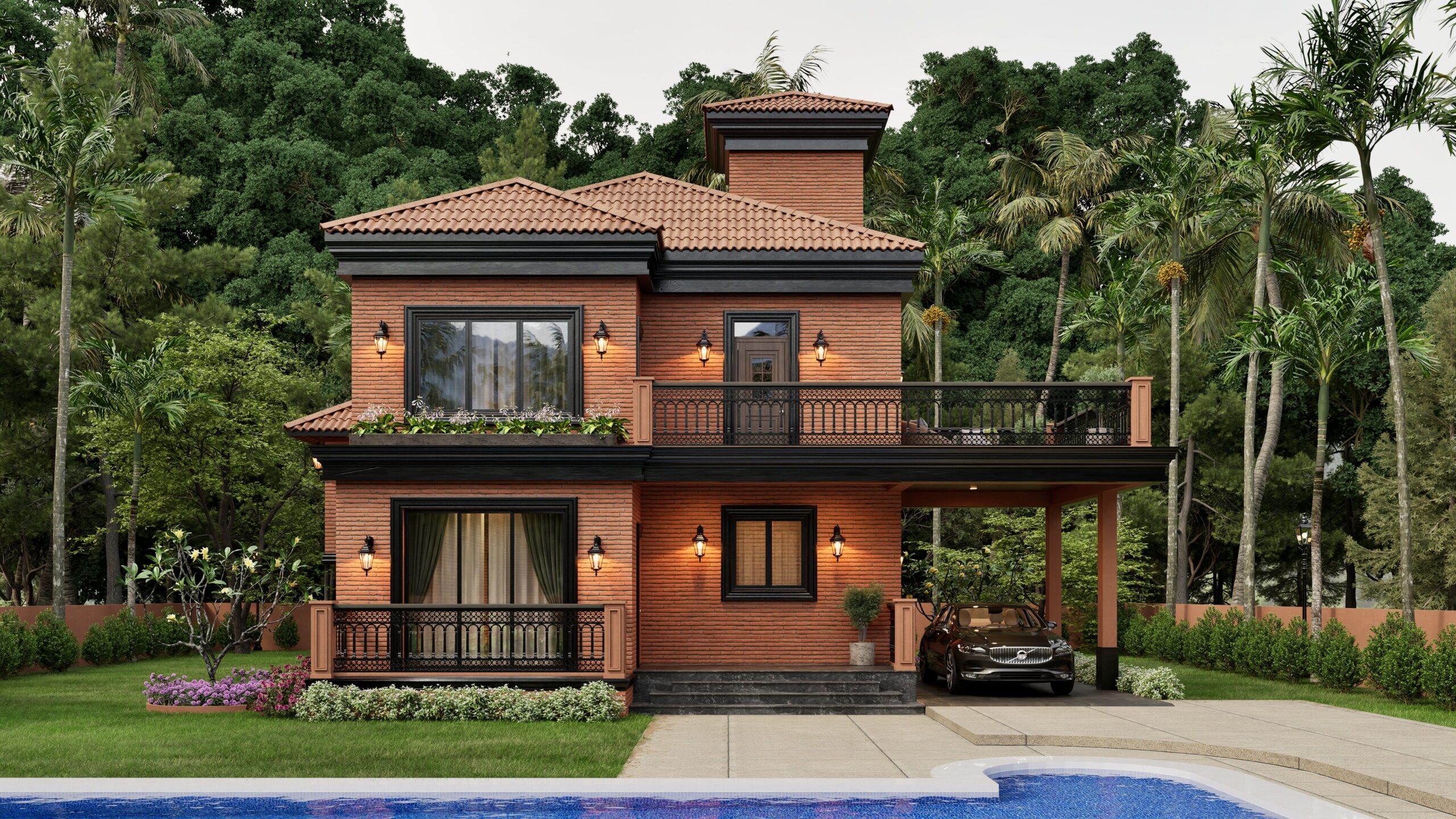
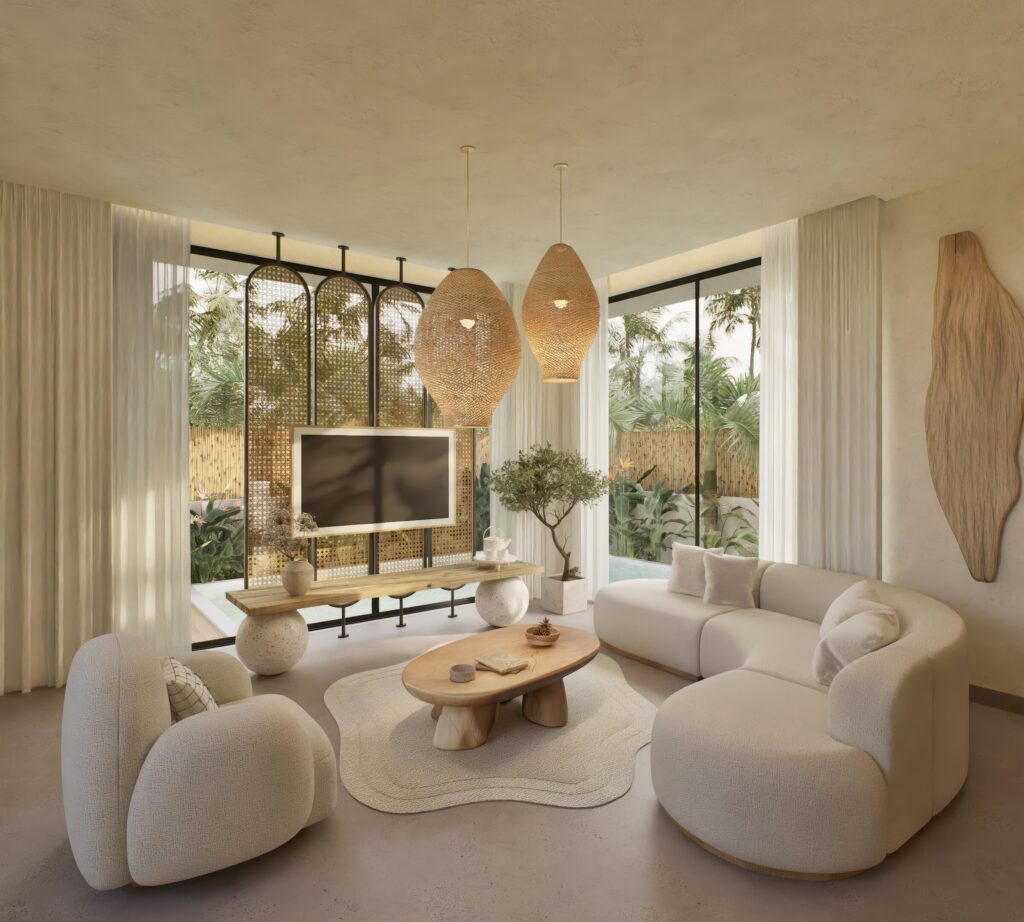
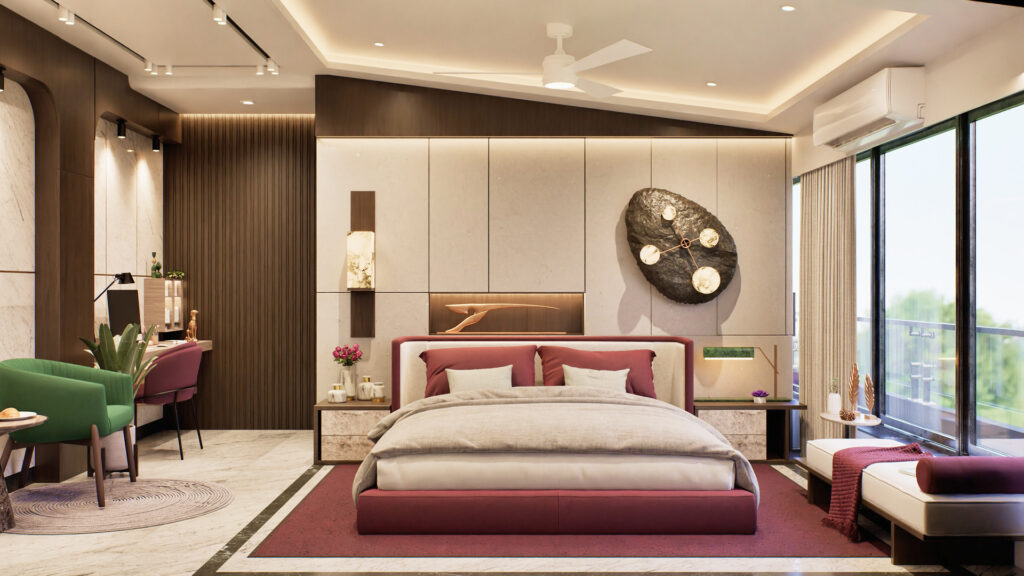
In the evolving world of architecture and design, the ability to visualize spaces before they are built has become an essential part of the creative and decision-making process. Bridging the gap between imagination and reality is InduVenu 3D Studio, a Goa-based architectural visualization studio that transforms architectural concepts into immersive digital experiences. Founded by Anish Narvekar and Dikshant Kochrekar, the studio blends technical expertise with artistic storytelling to help architects, designers, and clients experience spaces long before construction begins.
A Partnership Rooted in Friendship
The foundation of InduVenu 3D Studio lies in a friendship that began long before the studio itself. Anish Narvekar and Dikshant Kochrekar grew up as neighbors in Goa, sharing a childhood filled with sports, video games, and creative curiosity. Over time, their friendship naturally evolved into a collaborative partnership.
Their professional backgrounds complement each other perfectly. Anish Narvekar, a Computer Engineering graduate, focuses on rendering, lighting, materials, and the intricate visual detailing that brings digital environments to life. Dikshant Kochrekar, trained in Civil Engineering, contributes a strong understanding of architectural drawings, structural logic, and spatial interpretation, primarily handling the modeling aspects of projects.
This combination of technical precision and creative interpretation forms the backbone of the studio’s workflow. Together, they translate architectural plans into visually compelling representations that communicate both structure and atmosphere.
From Curiosity to Creation
The journey into architectural visualization began around 2021 when the duo started experimenting with 3D software tools out of curiosity. Initially, it was simply an exploration of creative possibilities. However, after working on an early visualization project, they quickly realized the power of digital imagery in helping people understand architectural concepts.
The process felt intuitive and engaging, encouraging them to refine their skills and explore the field further. As their experimentation evolved into a deeper interest, the idea of establishing a dedicated studio took shape.
Being based in Goa also influenced their direction significantly. The region’s distinctive architectural character, ranging from heritage Portuguese-style homes to modern hospitality developments, provided both inspiration and opportunity. Surrounded by this rich architectural environment, the founders began to explore how visualization could be used not only as a design tool but also as a way of telling architectural stories.
The Art and Purpose of Architectural Visualization
Architectural visualization is the process of transforming design drawings and concepts into realistic digital images or animations that illustrate how a space will appear once built. While architects and designers may easily interpret plans and technical drawings, many homeowners and clients find it difficult to imagine the finished result from these documents alone.
This is where visualization becomes invaluable. By presenting designs through photorealistic images, animations, and virtual walkthroughs, complex architectural ideas become accessible and easy to understand.
Through detailed lighting, textures, and materials, viewers can experience the scale, atmosphere, and spatial relationships of a design before construction even begins. This clarity allows clients to provide meaningful feedback, refine their ideas, and feel more confident in their decisions. For architects and designers, it becomes a powerful communication tool that ensures their vision is conveyed accurately.
A Diverse Portfolio of Projects
Since its inception, InduVenu 3D Studio has worked on a wide variety of projects, including villas, residential homes, apartment developments, commercial spaces, hospitality environments, interior designs, and renovation projects.
Their clientele includes architects, interior designers, developers, builders, and increasingly homeowners who wish to visualize their ideas before construction begins. Although the studio has contributed to projects across India and internationally, a significant portion of their work remains rooted in Goa.
The state’s architectural diversity offers unique creative opportunities, particularly in renovation projects involving traditional Portuguese-style houses. Visualizing the transformation of heritage structures while maintaining their historical charm has become one of the studio’s most engaging areas of work.
Creating Immersive Digital Experiences
InduVenu 3D Studio specializes in producing photorealistic renders, animated walkthroughs, and immersive 360-degree visual tours. These digital experiences help architects and developers present projects clearly to clients, investors, and potential buyers.
Such visualizations are widely used in project presentations, marketing campaigns, brochures, and social media platforms. Walkthrough animations allow viewers to virtually move through a space, offering a realistic sense of how the design will feel once completed.
This level of visual clarity not only enhances presentations but also helps prevent costly changes later in the project. By seeing the design in detail early on, clients can make informed decisions and provide clearer feedback during the design stage.
Crafting Realism Through Thoughtful Design
The studio’s creative process begins with understanding the client’s design intent. This typically involves reviewing architectural plans, reference images, site photographs, and mood boards. From there, the team constructs a digital environment that reflects both the technical accuracy and aesthetic character of the proposed design.
Rather than focusing purely on technical precision, InduVenu emphasizes balance and harmony within the scene. Lighting, textures, materials, and furniture are carefully composed to ensure that each element feels naturally integrated into the environment. When these components align effectively, the result is not just a realistic image but a space that feels believable and lived-in.
Technology Behind the Visuals
Like much of the 3D industry, InduVenu’s workflow continues to evolve alongside technological advancements. After experimenting with several tools, the studio found that Blender suited their modeling process particularly well due to its flexibility and powerful capabilities for building detailed scenes. For rendering and presentation, Twinmotion has become their primary platform. It enables the team to generate high-quality images, animations, and interactive visualizations efficiently.
As new tools and add-ons emerge, the studio continues to refine its pipeline. Advances in rendering technology have made it possible to produce increasingly immersive visuals while maintaining an efficient workflow.
Preserving Goa’s Architectural Heritage
Beyond commercial projects, the founders share a strong interest in digitally preserving Goa’s architectural heritage. Many historic buildings gradually change, undergo renovation, or disappear entirely over time. Creating accurate 3D models allows these structures to be documented and preserved digitally for future generations.
One area of particular interest is traditional Goan architecture and historical landmarks. For instance, the team has explored the possibility of digitally reconstructing the historic complex associated with the Church of Our Lady of Grace (Nossa Senhora da Graça), where today only St. Augustine’s Tower remains standing.
Through careful research and modeling, it becomes possible to recreate how such structures once appeared in their original form. These reconstructions offer valuable insights into architectural history while helping audiences visualize the past in a meaningful way. Over time, the studio hopes to expand this effort into a larger digital archive or exhibition celebrating Goa’s architectural legacy.
Creative Challenges and Memorable Projects
Among the studio’s most memorable projects are those that present unique creative contrasts. In one instance, the team worked on two restaurant interiors with completely opposite aesthetic styles, making the process both challenging and rewarding.
Projects involving heritage-inspired renovations also stand out as particularly meaningful. These assignments allow the team to merge contemporary design ideas with historical architectural elements, creating visuals that reflect both tradition and modernity.
Occasionally, the studio also designs custom furniture within its visualizations. This additional layer of creativity allows them to tailor spaces more closely to the design vision and enhances the authenticity of the final render.
Evolving with the Future of 3D
The 3D visualization industry evolves rapidly, with new tools and techniques constantly emerging. To stay ahead, InduVenu actively explores advancements in technology and continuously evaluates how they might enhance the studio’s workflow.
They have incorporated methods such as photogrammetry, camera-projection modeling, texture extraction, AI-assisted image referencing, and image-to-3D tools to expand their creative capabilities. The team also keeps a close eye on emerging technologies like Gaussian Splatting, studying how such innovations might influence future visualization techniques.
Looking Ahead
As InduVenu 3D Studio continues to grow, the founders remain focused on evolving alongside the technologies shaping the future of digital visualization. Their long-term goal is not only to produce visually compelling projects but also to engage in work that contributes meaningfully to Goa’s architectural and cultural landscape.
While architectural visualization remains their primary focus, they are equally interested in exploring other applications of 3D technology, whether in immersive digital storytelling, design communication, or heritage preservation.
By blending creativity, technology, and a deep appreciation for architecture, InduVenu 3D Studio is steadily building a reputation for transforming ideas into vivid digital realities, allowing clients and audiences alike to experience spaces long before they exist in the physical world.