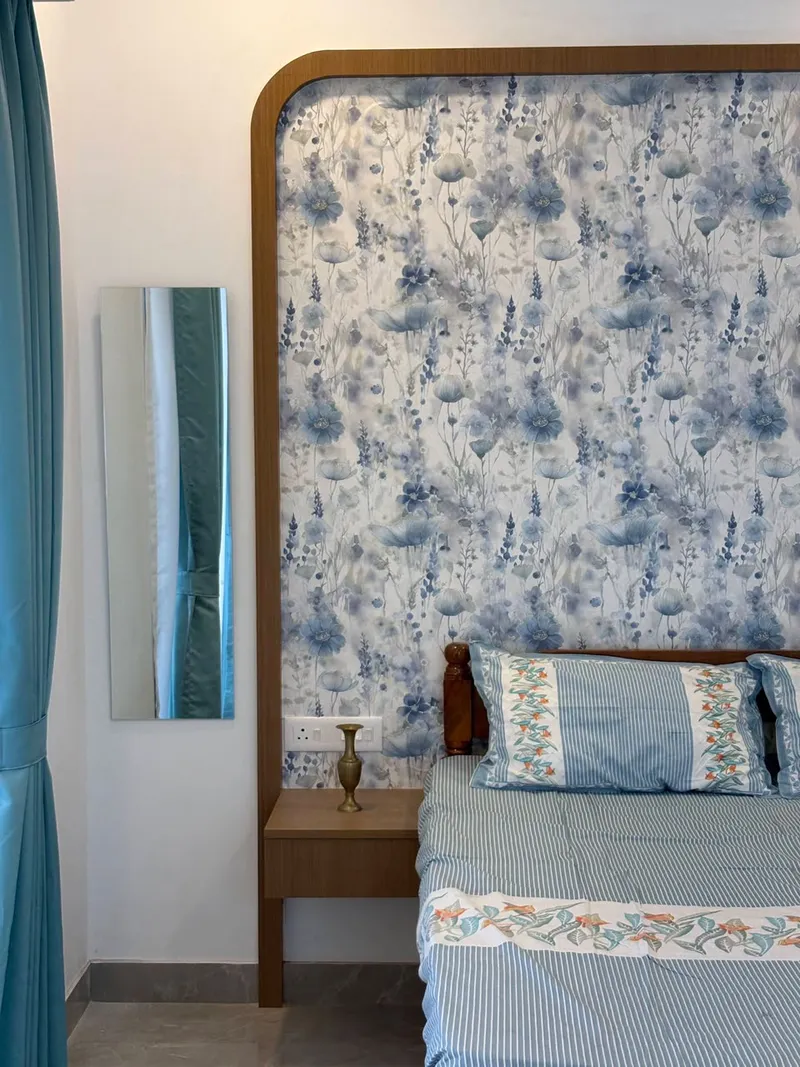
Spaces and Stories
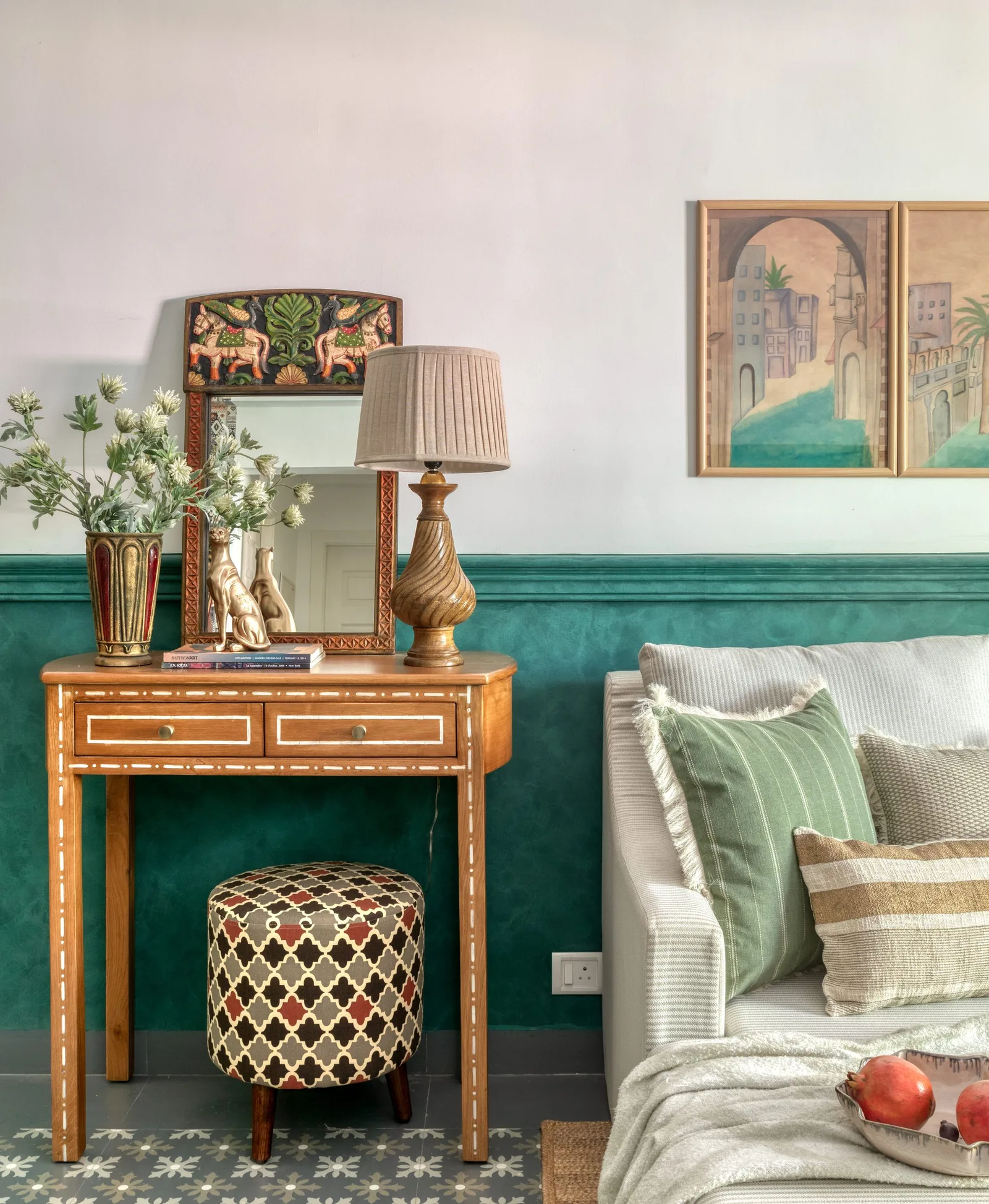
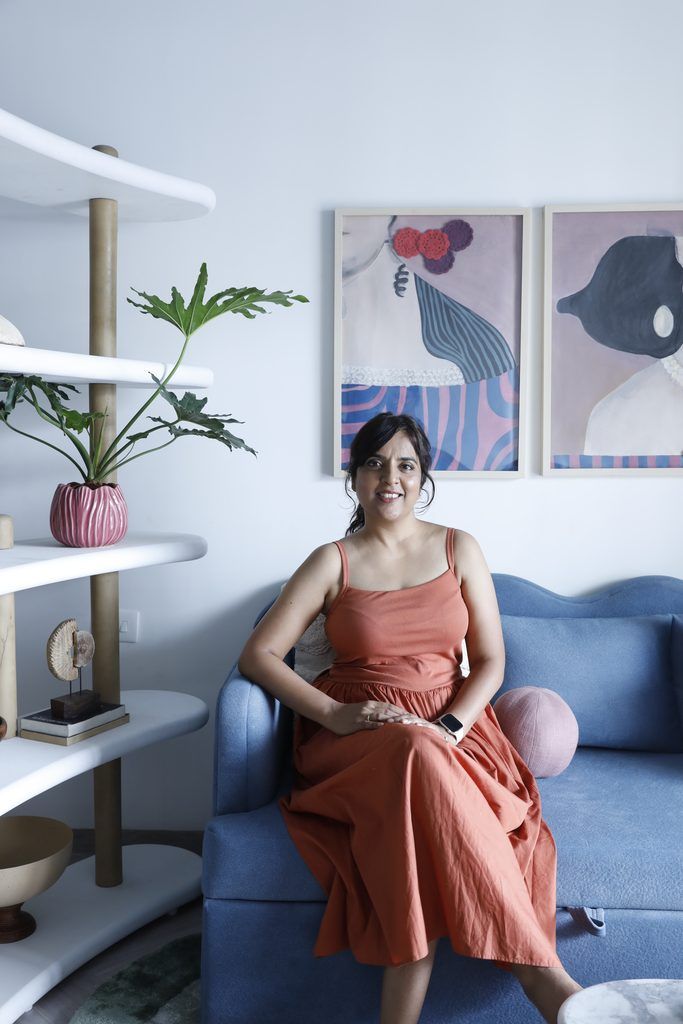
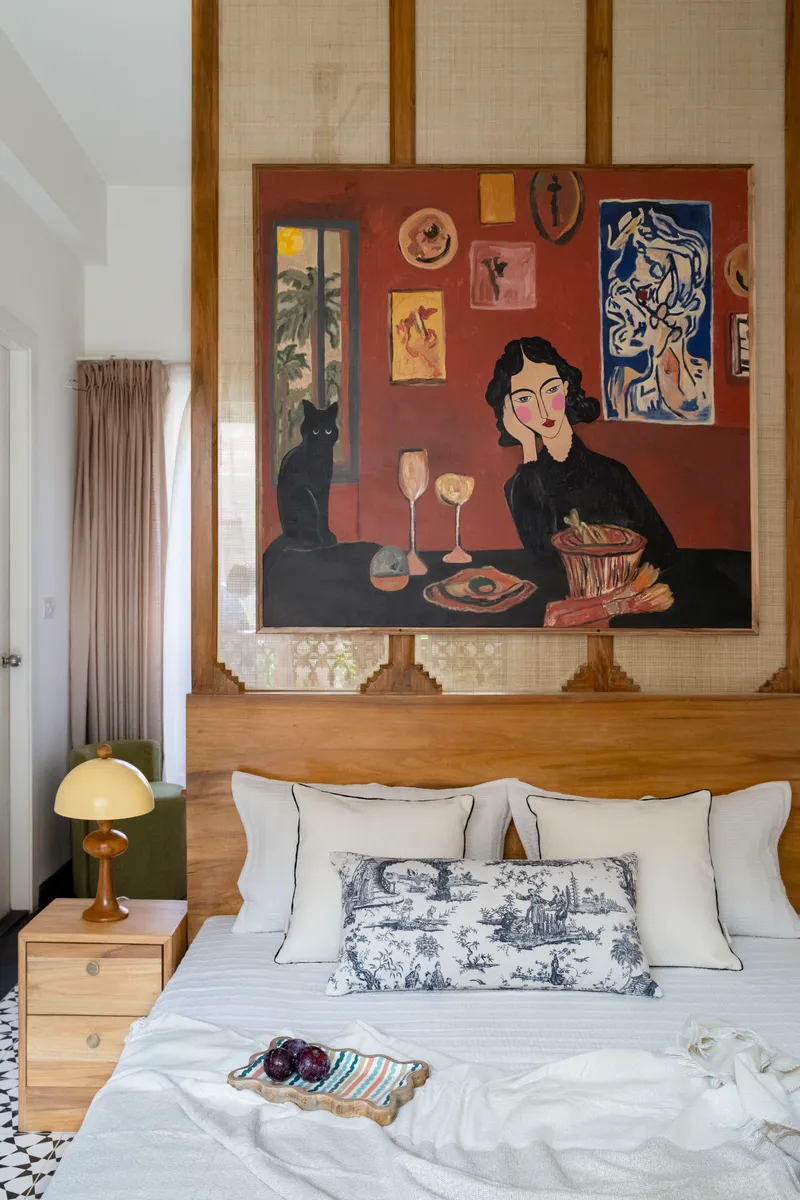
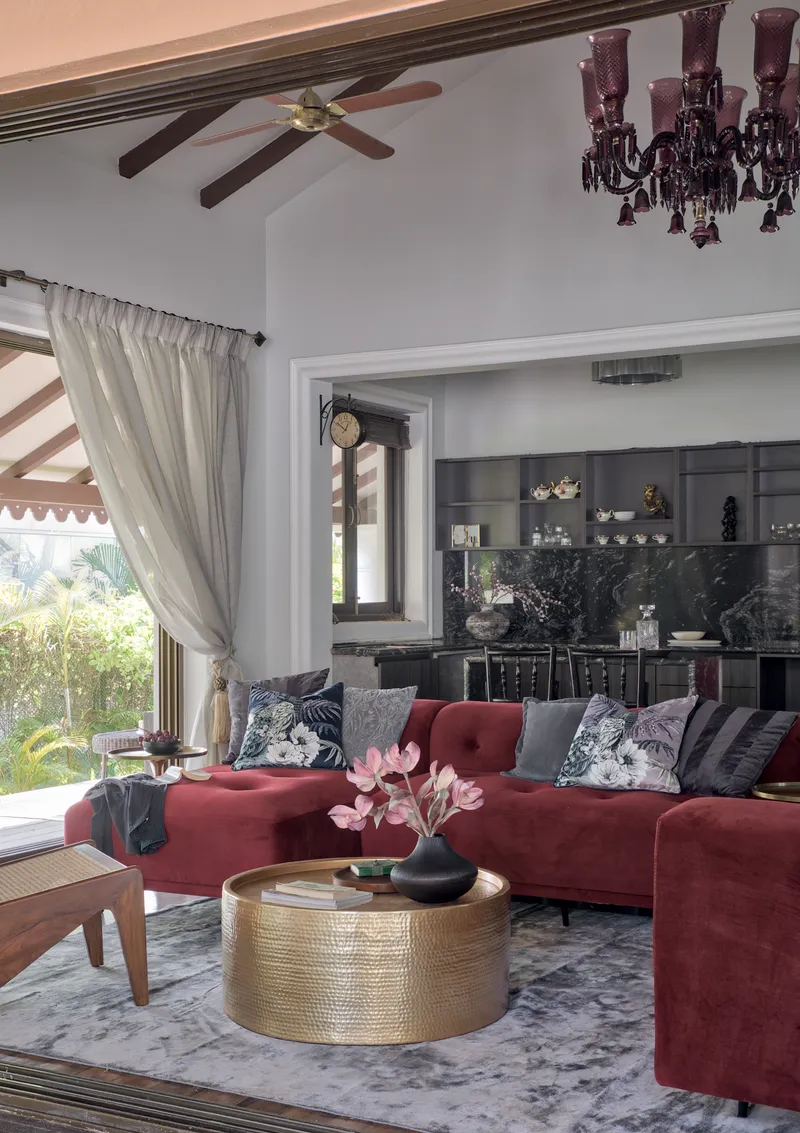
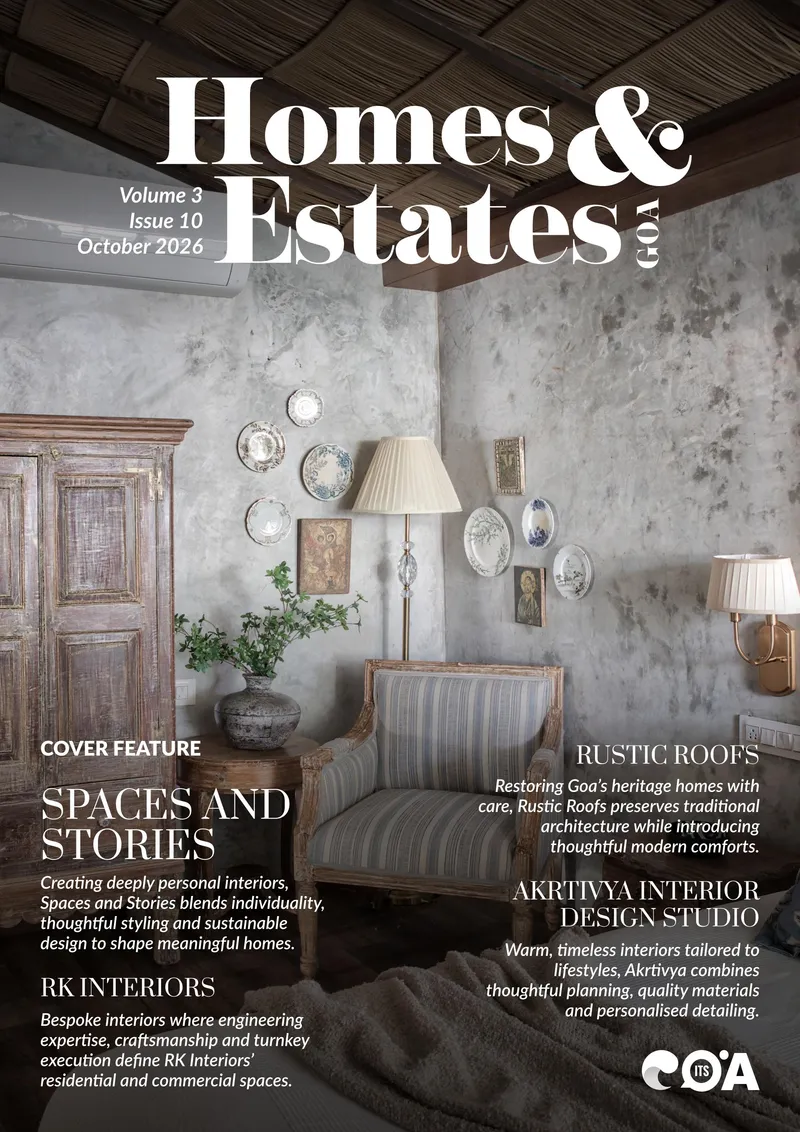
For Spaces and Stories, an interior is not simply a composition of colours, furniture and finishes. It is a reflection of the people who inhabit it, shaped by their memories, preferences, personalities and everyday lives. Founded by Nidhi Tiwari on 2 September 2020, the interior design and styling studio has built its practice around creating homes that feel personal, meaningful and distinctly individual.
With 18 years of experience in the industry, Nidhi brings together a background in textile design, art direction, interior styling and design to create spaces with warmth and character. A graduate in Textile Design from NIFT Bengaluru, she began her career with textile companies including GM Fabrics and D’Decor before moving into art direction for product shoots and advertising campaigns. Her work eventually led her to BeautifulHomes.com, the interior platform by Asian Paints, where she began looking at homes beyond individual furnishings and products and developed a deeper understanding of interiors as complete visual narratives.
It was through this journey that Nidhi recognised where her strongest interest lay: creating homes that felt genuinely connected to the people living in them. The emotional response of clients seeing their transformed homes became a significant source of motivation, eventually leading her to establish Spaces and Stories.
From Styling to Complete Interior Design
Spaces and Stories initially began as an interior styling studio, with the intention of helping people elevate their homes through thoughtful curation. Over time, Nidhi recognised the need for a more comprehensive approach. As interior styling continues to emerge as a distinct niche in India, the studio expanded into a full-fledged interior design and styling practice.
Today, Spaces and Stories undertakes turnkey interiors, bringing design and styling together under one roof. This allows the studio to offer clients an end-to-end experience while retaining the depth, detail and personality that styling brings to a space.
At the heart of the practice is a belief that interiors should not be designed around what is currently popular. Instead, they should be created around the people who will live in them.
Understanding the Person Behind the Home
The studio’s design process begins with listening. Rather than immediately discussing colours, furniture or finishes, Spaces and Stories first seeks to understand its clients on a deeper level.
One of the tools developed by the studio for this purpose is ‘Stylescope’, a feature created through years of research and conversations about homes, lifestyles and individual preferences. It is designed to decode a client’s personality through everyday choices, places they are drawn to and the environments in which they feel most comfortable.
These insights become the foundation for the design. Keywords and personal preferences are translated into art, furnishings, lighting, decorative elements and other details throughout the home. The objective is not to fill a space with objects, but to ensure that every selection has a reason behind it. For Nidhi, this distinction is essential. A home does not need to be perfect to be beautiful. It needs to feel understood.
Beyond Trends
The studio’s people-centric philosophy also informs its approach to trends. While design trends can provide useful insight into what people are currently attracted to, Spaces and Stories believes a home should not become a temporary expression of fashion.
A home is expected to evolve with its inhabitants, but its foundation should remain connected to who they are. Designing around personal preferences rather than fleeting aesthetics allows interiors to retain relevance for much longer.
This philosophy stems partly from Nidhi’s own professional experiences. Having worked within large corporations, she observed how people could often be grouped into broad categories despite their individual differences. Her approach to interiors challenges that idea by acknowledging that every person has their own character, experiences and way of living.The result is a design process that places individuality ahead of convention.
Collaboration at Every Step
Creating a home is a deeply personal undertaking, and Spaces and Stories treats the client as an active participant throughout the process. The studio sees itself as a support system rather than an authority that dictates what a client’s home should look like.
From the initial briefing to the final selection, each decision is connected to the original vision. Presentations are used to help clients visualise ideas and understand how individual elements will come together.
This collaborative approach also serves a practical purpose. With clients often investing significant time and resources into their homes, the studio aims to help them make considered choices they are unlikely to regret later.
For Spaces and Stories, the responsibility lies in delivering the home that was promised at the beginning of the journey, while ensuring that the client’s personality remains visible throughout the finished space.
Making Sustainability Personal
Sustainability at Spaces and Stories is closely linked to emotional value. Instead of automatically replacing existing pieces, the studio looks for opportunities to retain, remodel and repurpose objects that hold significance for its clients.
A beloved piece of furniture, for instance, may be given a new role or appearance rather than discarded. The studio also tries to minimise civil work wherever possible and embraces interiors where imperfections become intentional elements of the design.
Vintage pieces are another important part of this approach. They can introduce authenticity and individuality while offering an alternative to constantly purchasing new objects. The studio also hopes to explore reclaimed materials more extensively as it develops a clientele that values their character and sustainability.
Creating a More Personal Home
For homeowners looking to refresh their interiors without undertaking a complete renovation, Spaces and Stories believes that meaningful change can begin with a few simple shifts.
The first is to stop designing a home around how others might perceive it. Instead, homeowners can consider how they want to feel in their own spaces. Decluttering is another effective starting point, allowing only objects that are genuinely useful or loved to remain.
From there, art and meaningful objects can become the foundation of a room’s visual language. A painting, tapestry, vintage object, photograph, rug or textile can influence the surrounding colour palette. Plants can bring freshness and life, while layered off-white sheer curtains can soften natural light and create a warmer atmosphere.
Art, plants, collectibles, soft furnishings and decorative lighting can all play a role in transforming a house into a more intimate and expressive home.
Stories That Stand Out
In six years, Spaces and Stories has completed 19 projects, with four more currently underway. Among its completed work, two projects in particular have brought the studio wider attention: a vacation home in Goa and a residential home in Hyderabad.
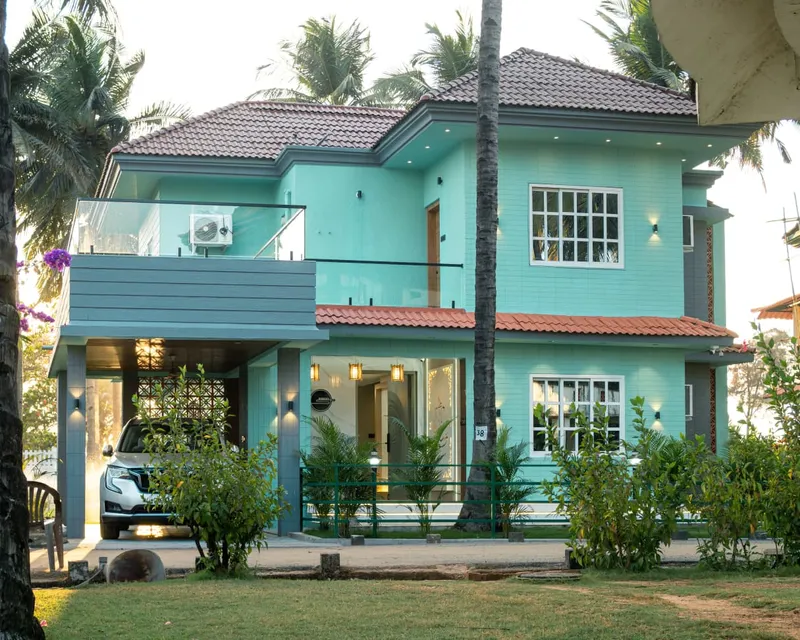
‘The Seagull’ or ‘Girl Villa’ in Goa offered a contemporary interpretation of Goan elements. Rather than following the familiar visual language often associated with Goa’s vacation homes, the studio developed a lively colour story supported by distinctive details and a candid narrative around the home.
In Hyderabad, ‘Sufiyana’ presented a very different challenge. Created for a single retired gentleman, the home combined a modern Indian aesthetic with a strong sense of personality. Rather than relying solely on professional documentation, the project was presented through videos that allowed the homeowner himself to share his experience.
His enthusiasm while showing the home became an important part of the story. For Spaces and Stories, that response represented the essence of its practice: creating a home that its owner can genuinely recognise as his own.
A Practice Rooted in Curiosity
Away from the studio, Nidhi finds inspiration in everyday observations and in her nine-year-old daughter, whose fresh and unfiltered perspective often influences their conversations about design. Writing, capturing small moments and poetry are among her interests, while weight training has more recently become part of her routine.
Interestingly, the anniversary of Spaces and Stories falls on the same day as her daughter’s birthday, a coincidence that has become especially meaningful to her.
These personal interests reflect the same curiosity that informs her work: an attentiveness to people, details and the small things that can carry unexpected meaning.
Looking Towards the Future
The future of Spaces and Stories is centred on making the process of creating a home more enjoyable and accessible. The studio plans to establish an experience centre where people can spend time, explore ideas and visualise their homes without the pressure often associated with interior design.
Another upcoming initiative, ‘Decor Mixologist’, will give homeowners an opportunity to curate their spaces independently, with online consultancy support available to guide them through the process. Drawing from the different personalities and design preferences identified through the studio’s work, the platform will offer distinctive collections intended to help people find pieces that feel naturally suited to them.
Eventually, these collections will also become part of the planned experience centre, creating a physical environment where visitors can explore and imagine possibilities for their own homes.
For Spaces and Stories, the larger vision remains consistent: interiors should make people feel special in their own spaces. Whether through a complete turnkey project or a piece chosen independently through Decor Mixologist, the studio continues to believe that the most successful homes are those that tell the story of the people who live in them.