
Makar Sankranti, observed on January 14 2026, marks the Sun’s movement into Makar Rashi (Capricorn)—a celestial shift that holds deep spiritual and seasonal significance in the Hindu calendar. This transition signals the gradual end of winter and the beginning of a more auspicious phase of the year. In Sanatan Hindu Dharma, it is believed that during this period, the Sun remains in Makar Rashi for a month, under the influence of Shani, the ruling deity of the zodiac sign. As a result, Makar Sankranti is widely regarded as a favourable time for new beginnings, including weddings and important life decisions.
Spiritual Significance and Sacred Observances
This year, the festival carries added importance with the commencement of the Kumbh Mela in Prayagraj, where devotees from across the country gather for the sacred Shahi Snaan at the confluence of the Ganga, Yamuna, and the mystical Gupt Saraswati. The day is dedicated to honouring the Sun, symbolising energy, clarity, and renewal.
Traditional observances on Makar Sankranti include offering water to the Sun at sunrise, consuming a simple meal such as khichadi, and following a disciplined lifestyle for the day. Many devotees abstain from non-vegetarian food, onion, garlic, alcohol, smoking, and physical indulgences as a form of purification. According to Mukesh Pandya, a Brahmin scholar, charitable acts are also an essential part of the festival. Donations of sesame seeds, oil, yellow fabric, woollen clothing, and copper utensils are believed to aid spiritual growth and compassion towards others.
Science Behind the Rituals
Beyond religious belief, many Makar Sankranti customs are rooted in practical wisdom. Sukumar Barve, a purohit from South Goa, explains that several rituals align with seasonal health needs. Foods prepared with sesame and jaggery provide warmth and energy during mid-winter, while dietary discipline helps detoxify the body. What may appear as ritualistic practices often serve as subtle guidance for physical and mental well-being.
Regional Expressions of the Festival
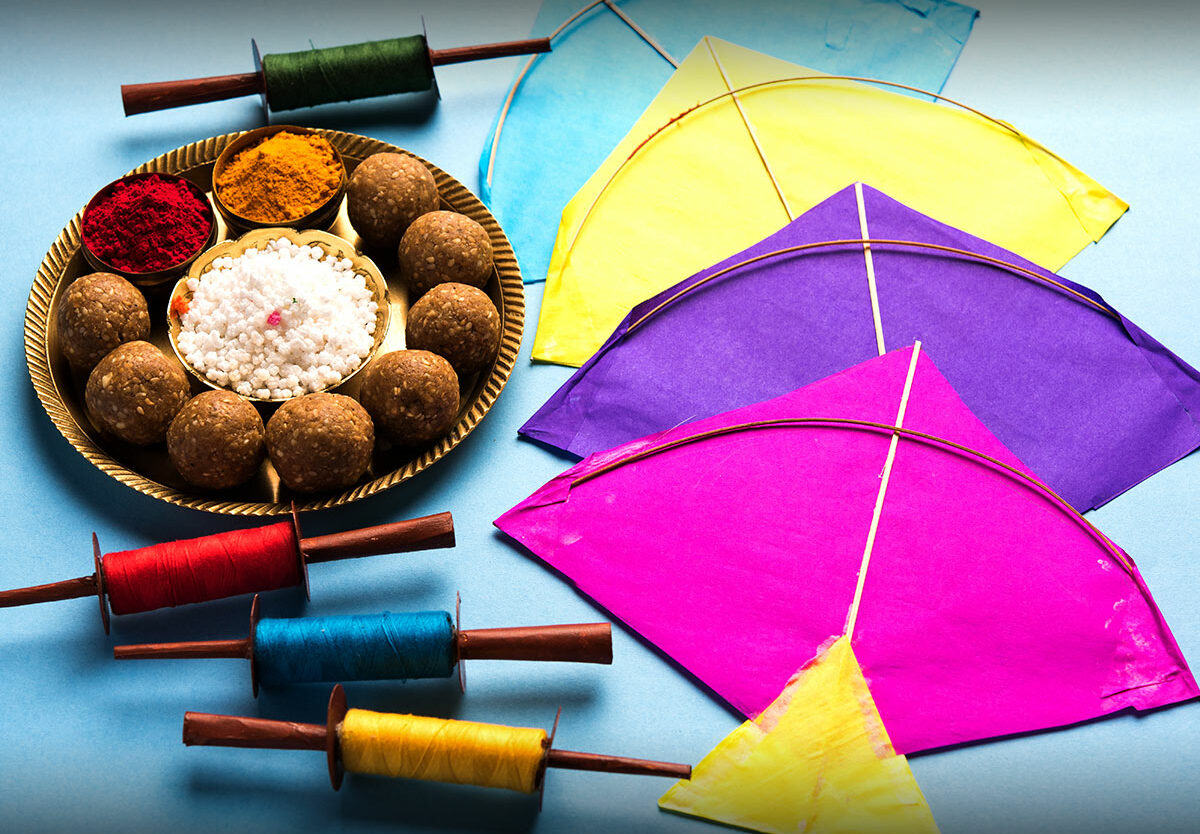
Across India, Makar Sankranti is celebrated in diverse ways. In Gujarat, the festival is known as Uttarayan and is synonymous with kite flying. The skies fill with colourful kites as families come together to celebrate the changing season. Naina Patel, a Gujarati entrepreneur based in Margao, shares that while kite flying may not be common in Goa, traditional foods like undhiyu, sesame laddoos, and jalebi-fafda remain an integral part of the celebration.
In Maharashtra, the festival is marked by the exchange of tilgul, made from sesame seeds and jaggery. The phrase “Tilgul ghya, god god bola”—meaning “accept the sweet and speak sweetly”—captures the essence of harmony and goodwill associated with the day. These offerings are often accompanied by acts of charity, reinforcing the value of generosity.
Haldi Kumkum: Celebrating Womanhood and Community
One of the most cherished traditions during Makar Sankranti is the Haldi Kumkum ceremony, observed by married women. These informal gatherings allow women to visit one another’s homes, exchange small gifts, and strengthen social bonds. Historically, the ritual also provided women a rare opportunity to step away from daily responsibilities and engage in meaningful social interaction.
Legends Associated with Makar Sankranti
Mythology adds further depth to the festival. The Mahabharata recounts that the great warrior Bhishma chose Makar Sankranti to relinquish his mortal body, attaining liberation. This belief has made the day especially auspicious for those seeking spiritual release.
Another legend involves Lord Shiva and Nandi, whose misunderstood instructions led Nandi to earth to help humanity. This tale symbolically emphasises agriculture, abundance, and the importance of food production for sustaining life.
Home Rituals and Festive Foods
In Goan homes, Makar Sankranti is marked by prayers seeking protection and prosperity. Offerings of rice, channa dal, jaggery, and coconut are made to the family deity. A lit lamp placed in a Donno is carried through the house, particularly in dark corners, to ward off negativity. The vessel is later immersed in flowing water, symbolising the release of unwanted energies.
Food remains central to the celebration. Sesame and jaggery sweets are shared with loved ones, reinforcing warmth, unity, and positive communication during the colder season.
Tradition in a Contemporary World
While Makar Sankranti remains deeply traditional, it also adapts to modern values. Many families now choose eco-friendly celebrations, handmade gifts, and mindful consumption. These evolving practices allow the festival to remain relevant while respecting its cultural roots.
At its core, Makar Sankranti is a reminder of balance—between light and darkness, tradition and progress, discipline and joy. It encourages reflection, renewal, and a conscious step towards a harmonious future.