

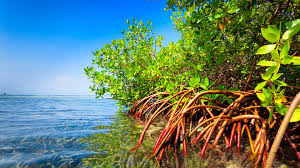
Mangroves in Goa often go unnoticed, quietly thriving along rivers, backwaters, and estuaries. But these dense green forests do far more than just add beauty to the landscape, they shape the coastline, support local livelihoods, and protect Goa’s fragile ecology. As development pushes closer to the water, mangroves stand as nature’s silent guardians, absorbing impact, stabilising land, and supporting a remarkable biodiversity.
Why Mangroves Matter to Goa
Goa’s mangroves grow mainly along the Mandovi, Zuari, Chapora, Sal, and Mapusa river belts. These intertidal forests survive in salty, muddy soils where most plants cannot. Their tangled roots slow incoming waves, catch sediment, and prevent the erosion of riverbanks and coastal stretches. In a state where monsoons, tides, and rising sea levels constantly reshape the land, mangroves act as a strong natural defence.
Guardians against Floods and Storms
Mangroves play a key role in reducing the impact of cyclones, storm surges, and high tides. Their dense root systems weaken strong currents before they reach inland areas. This protection helps villages, agricultural fields, and fisheries survive seasonal weather changes. Without mangroves, flood-prone areas would face far greater damage during peak monsoon months.
A Rich Habitat for Wildlife
Goa’s mangroves support an incredible range of species. Birds such as kingfishers, herons, cormorants, and brahminy kites rely on them for nesting and hunting. The muddy waters around the roots shelter crabs, oysters, juvenile fish, and prawns, making mangroves some of the most productive nurseries for marine life. Dolphins, otters, crocodiles and migratory birds also depend on these ecosystems for food and protection.
Supporting Local Communities
For many locals, mangroves are more than ecological assets; they support everyday livelihoods. Fisherfolk benefit from the abundance of fish that thrive in mangrove nurseries. Traditional crab catchers rely on mangrove belts to find high-value species. The forests also help maintain water quality, which supports agriculture and small-scale farming in nearby villages.
Goa’s Key Mangrove Zones
Chorao Island
One of Goa’s largest and most protected mangrove ecosystems, this island houses rare birds and thriving aquatic life. Boat rides through the creeks reveal the scale and beauty of these forests.
Divar Island
The mangroves along Divar’s edges remain undisturbed, offering a peaceful escape into Goa’s natural world.
Cortalim & Zuari Belt
These mangrove form an important habitat for birds and act as shields for the nearby villages along the river.
Mangroves and Climate Protection
Mangroves store large amounts of “blue carbon,” making them powerful contributors to climate stability. Their roots trap carbon-rich sediments, allowing them to store up to five times more carbon than most terrestrial forests. Protecting mangroves is one of the most effective natural solutions to slow climate change.
Conservation Efforts in Goa
The Goa Forest Department, local NGOs, and community groups have taken active steps to protect mangrove through replanting projects, awareness drives, and monitoring programs. Mangrove boardwalks, like the one in Panaji, now help residents and travellers understand the importance of these ecosystems without disturbing them.
A Call to Protect Our Silent Guardians
Mangrove are quiet, resilient, and essential. They stand between land and sea, giving Goa its coastal strength and ecological balance. As Goa continues to modernise, these forests deserve attention, respect, and protection. By valuing them today, we safeguard the coastline for future generations.