
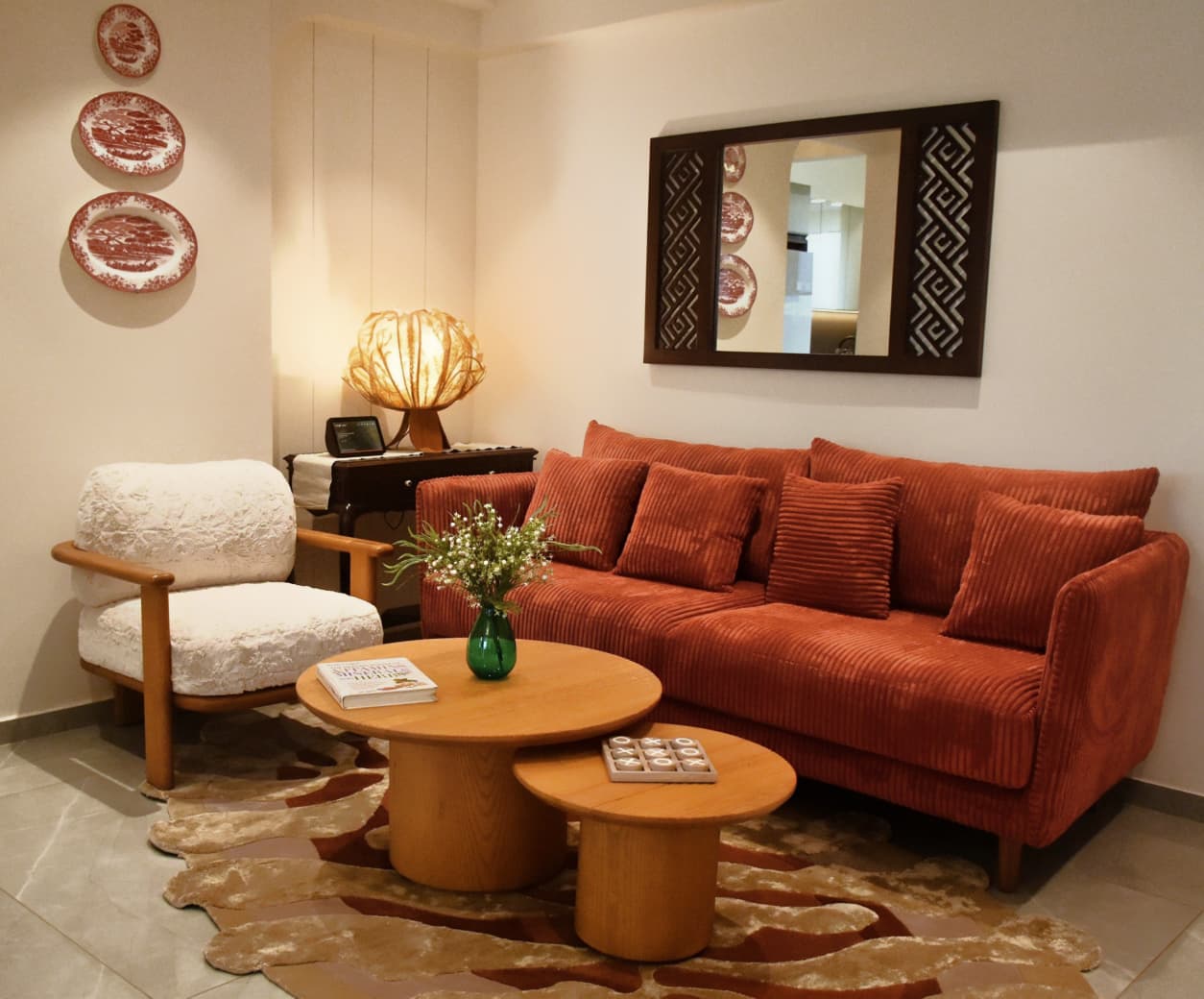
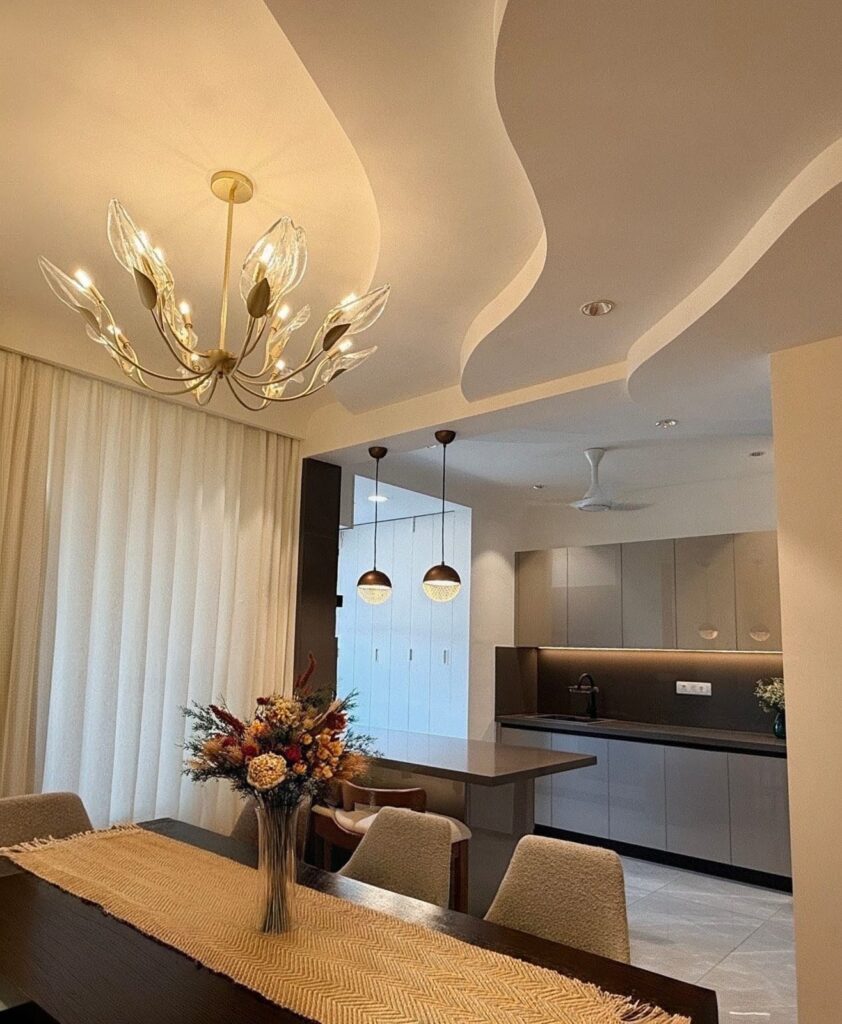
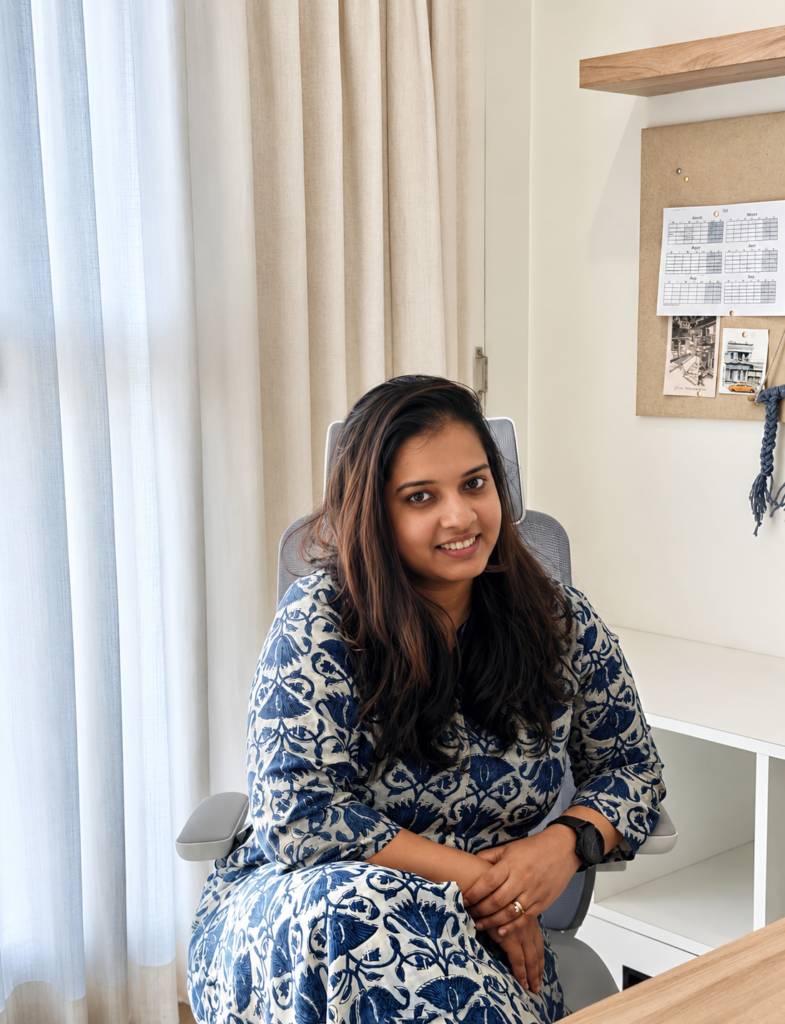
Architecture is often described as the art of shaping spaces, but for architect Manisha Rodrigues, it is equally about understanding people, places, culture, and the environment. As the founder of an architecture and design studio in Margao, Goa, she has built a practice that seamlessly blends thoughtful design, sustainability, and cultural sensitivity. From private residences and commercial developments to institutional projects, conservation initiatives, and restoration work, her professional journey reflects a commitment to creating spaces that are both meaningful and functional.
A Creative Path Rooted in Curiosity
Manisha’s interest in architecture began with a natural inclination toward art, creativity, and problem-solving. Encouraged by her father to explore architecture instead of engineering, she discovered a profession that perfectly balanced design, technical understanding, and human connection.
Her academic journey began at the Goa College of Architecture, where she developed a strong foundation in design thinking and contextual awareness. Growing up in Goa, surrounded by its rich architectural heritage, sparked a deeper interest in preserving the stories embedded within historic structures. This passion led her to pursue a Master’s degree in Architectural Conservation at CEPT University, where she gained extensive knowledge of traditional building techniques, heritage conservation, and material studies. These experiences continue to shape her design approach, influencing every project she undertakes.
Balancing Contemporary Design with Heritage
Over the years, Manisha has worked across a diverse range of architectural disciplines. While she enjoys the variety that comes with different project types, residential architecture and conservation remain particularly close to her heart.
Residential projects allow her to engage closely with clients, understanding their lifestyles, aspirations, and daily routines. Through this collaborative process, she creates spaces that feel personal, functional, and deeply connected to the people who inhabit them.
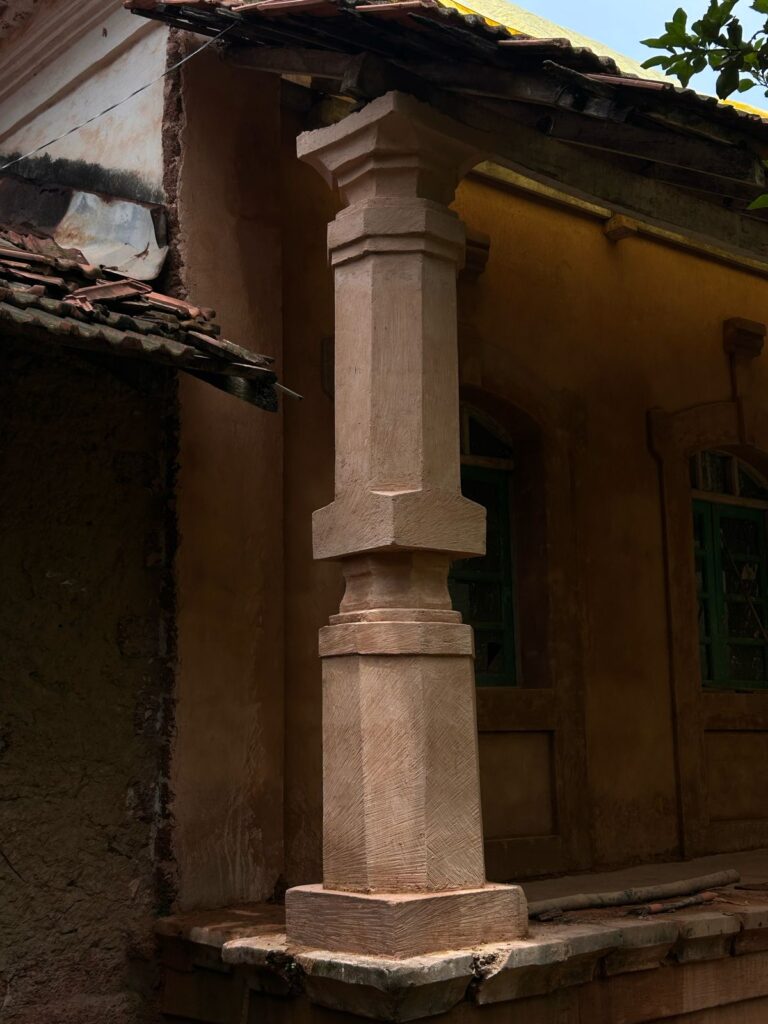
Conservation, on the other hand, offers an opportunity to explore the cultural, historical, and architectural narratives embedded within existing structures. For Manisha, preserving and adapting heritage spaces is not merely about maintaining old buildings; it is about safeguarding identity, craftsmanship, and collective memory while ensuring relevance in contemporary contexts.
An Architectural Philosophy Guided by Context
At the core of Manisha’s practice is a belief that architecture should emerge from its surroundings rather than impose itself upon them. Her work is guided by an understanding of environmental conditions, cultural influences, social contexts, and the needs of users.
Rather than adhering to a fixed design style, she allows each project to develop its own character through careful observation and analysis. Climate-responsive planning, resource-conscious decisions, and sensitivity to local context form the foundation of her architectural philosophy. This approach enables her to create spaces that are not only aesthetically engaging but also environmentally responsible and deeply rooted in place.
Projects That Shape Perspectives
While every project has contributed to her professional growth, Manisha views each one as a unique learning experience. Beyond design, she values the collaborative relationships and shared journeys involved in bringing ideas to life.
Particularly significant have been her conservation initiatives, environmental projects, and heritage documentation work. These undertakings have reinforced her belief in the importance of preserving both cultural and natural heritage. Another defining milestone was establishing her own practice, which provided the freedom to pursue projects aligned with her values and vision while fostering a design process grounded in authenticity and purpose.
Beyond Buildings: Understanding the Larger Environment
A distinctive aspect of Manisha’s career is her engagement with environmental and research-based initiatives. Her contributions to the Serampore Initiative, Goa Water Stories, and the book The River Mhadei: The Science and Politics of Diversion have broadened her understanding of the interconnectedness of ecology, communities, heritage, and development.
Although Manisha grew up and spent most of her life in Fatorda, her roots lie in the coastal village of Cavelossim, where her family has deep connections. Having spent weekends, holidays, and several years living there, she developed a strong appreciation for the unique relationship between the River Sal, the Arabian Sea, and the communities shaped by these landscapes. These early experiences fostered a lasting interest in the environment and the ways in which people interact with natural and cultural systems.
This fascination evolved into academic and professional exploration, beginning with her undergraduate thesis examining the relationship between the River Sal, tourism, and coastal development in Cavelossim. Subsequent experiences studying river systems such as the Sabarmati, the Hooghly, and the Mhadei expanded her perspective beyond architecture alone. They highlighted the importance of understanding the larger environmental systems that influence how communities live and interact with their surroundings. These experiences continue to inform her work, strengthening her commitment to both built and natural heritage conservation.
Architecture and Conservation in a Changing Goa
As Goa undergoes rapid urbanisation and development, Manisha recognises both the opportunities and challenges facing architects today. While growth brings economic possibilities, it also raises important questions about environmental stewardship, cultural preservation, and maintaining local character.
She believes architects have a vital role in shaping development that respects Goa’s unique identity while addressing contemporary needs. By embracing context-sensitive design and prioritising sustainability, the profession can help create a future that balances progress with preservation.
Shaping the Next Generation of Architects
Alongside her professional practice, Manisha serves as a Visiting Faculty member at the Goa College of Architecture. Teaching provides an opportunity to engage with fresh perspectives and emerging ideas while contributing to the growth of future architects.
She particularly enjoys encouraging students to think critically, challenge assumptions, and develop their own design voices. For her, the classroom is a space of mutual learning, where the exchange of ideas enriches both teacher and student alike.
Inspiration Beyond the Studio
Outside of architecture, Manisha finds inspiration in reading, travelling, researching local history, and exploring cultural heritage. Her interests extend to environmental issues and the complex relationships between architecture, communities, and nature.
Whether solving puzzles, watching films, exploring cities, or observing everyday life, she continually draws creative energy from the world around her. These experiences deepen her understanding of people and places, ultimately enriching her design process.
Looking Ahead
As she looks toward the future, Manisha hopes to continue growing her practice while remaining true to its core values. She envisions working on a broader range of projects, from homes and institutions to conservation and restoration initiatives, while further exploring the relationship between architecture, heritage, and the environment.
Equally important is her desire to contribute to research, education, and broader conversations surrounding both the built and natural environment. Through her work, she aims to create thoughtful, people-centred spaces that respond meaningfully to climate, culture, and context.
A Commitment to Place and Identity
Throughout her journey, Manisha Rodrigues has remained guided by a deep respect for people, place, culture, and the environment. Whether designing a contemporary residence, documenting heritage structures, or engaging in environmental research, her work reflects a belief that architecture should strengthen our connection to the places we inhabit.
In an increasingly globalised world, she sees architecture as a powerful tool for preserving cultural identity, protecting local character, and ensuring that development remains sensitive to both community and context. It is this thoughtful balance of design, conservation, and environmental awareness that continues to define her work and shape her contribution to Goa’s evolving architectural landscape.