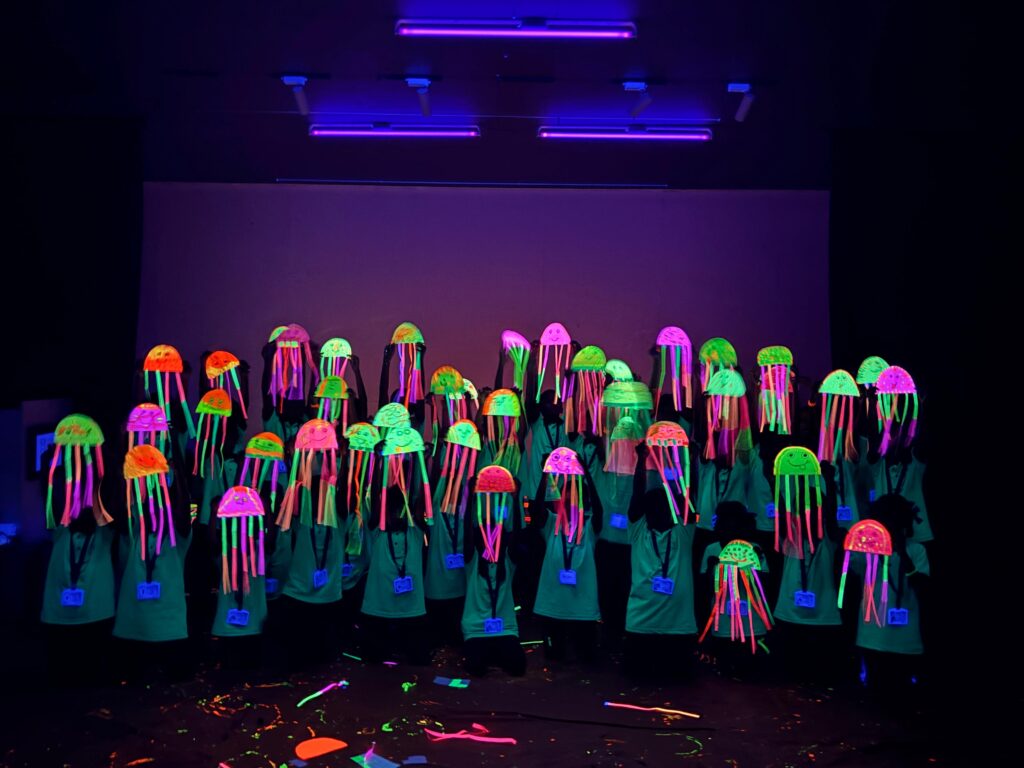
~ ‘Phytoplankton World: The Unseen Heroes of Marine Life’ (2025) is a project by Children’s Art Studio, co-supported by BLR Hubba and the Museum of Goa.
From Goa’s coastline to a landlocked city, a children’s art initiative developed by the Goa-based Children’s Art Studio and co-supported by the Museum of Goa is taking marine education beyond the sea.
‘Phytoplankton World: The Unseen Heroes of Marine Life’, created by the Children’s Art Studio in Goa, will travel to Bengaluru this month, where it will be presented at Freedom Park from January 16 to 25 as part of Makkala Hubba, under the larger BLR Hubba cultural festival.
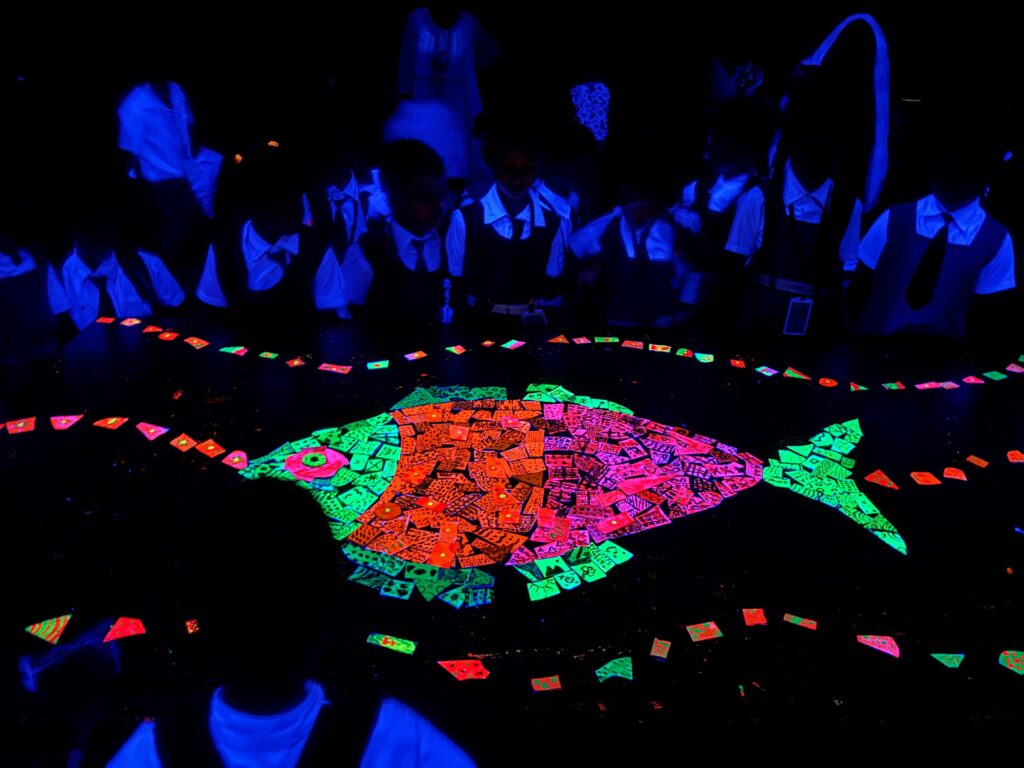
Rooted in Goa’s coastal ecology, the immersive experience introduces Bangalore’s children to phytoplankton, microscopic marine organisms that sustain ocean life and play a crucial role in regulating the Earth’s climate. Through glow-in-the-dark installations, sensory environments, and hands-on creative activities, the project translates complex marine science into an accessible learning journey for young audiences aged four to twelve. The project reflects how Goa’s close relationship with the sea can shape meaningful environmental learning far beyond its coastline.
Aligned with the approach of Makkala Hubba, a children-focused festival platform — aligned with the BLR Hubba — known for its emphasis on climate education and sensorial learning, ‘Phytoplankton World’ invites young visitors to explore an underwater-inspired space where learning unfolds through curiosity and hands-on making.
Sharada Kerkar, Director of the Museum of Goa and Co-Founder of the Children’s Art Studio, traces the idea back to a personal experience. “Three years ago, while kayaking at night in the waters of Vasco, I noticed the sea begin to glow in shades of green and blue. The light came from phytoplankton, and the experience filled me with curiosity. That moment stayed with me and sparked a desire to create glowing experiences that others could also encounter and explore.”
The project evolved through an extended research and design process that began with studying different types of phytoplankton and their forms. These microscopic organisms were then visualised at an enlarged scale through sketches, digital 3D visuals and architectural models. Material exploration followed, with the team experimenting with glow-in-the-dark and reusable materials suited to an underwater theme. These elements were eventually brought together to shape the flow of the space and the learning journey of the children.
“Creating the glow-in-the-dark artworks was truly inspiring, bringing out the child in you every time something lights up. It was more than just making phytoplankton; it was about exploring and learning about these tiny, fascinating creatures,” says Tincy Paulose, artist and educator at the Children’s Art Studio.
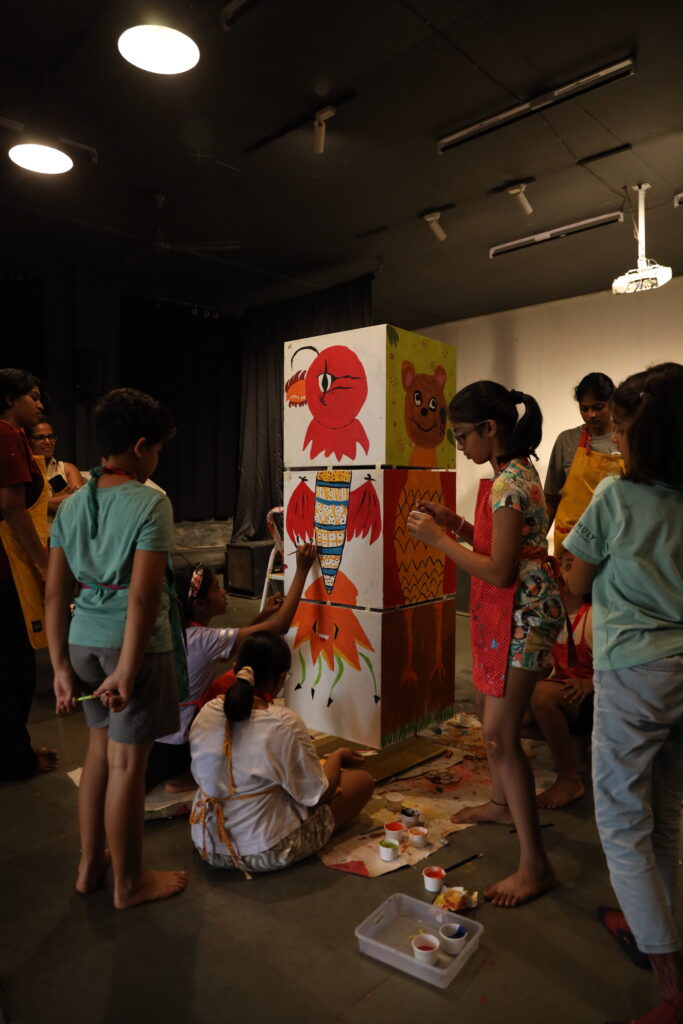
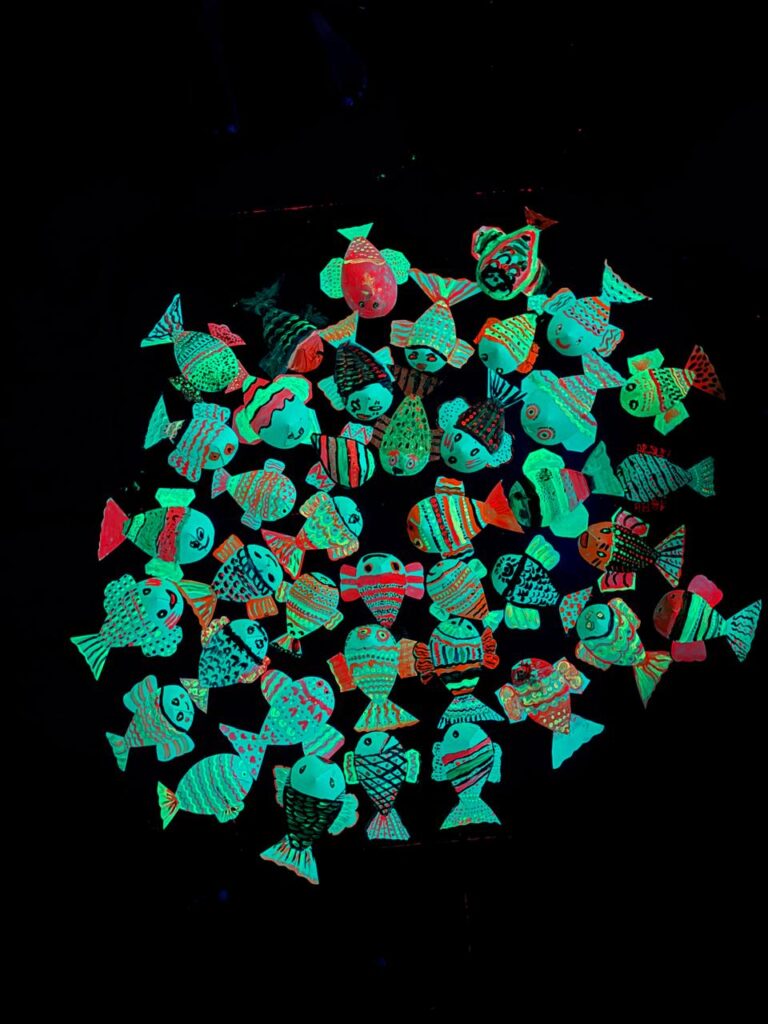
Two guided workshops form a key part of the programme. Glow Beneath the Sea allows children to craft glowing sea creatures while learning about the marine food chain and the foundational role of phytoplankton. Glow Microscopic Worlds encourages participants to design imagined glowing phytoplankton inspired by organisms such as diatoms, dinoflagellates, cyanobacteria and coccolithophores, translating scientific forms into creative expression.