
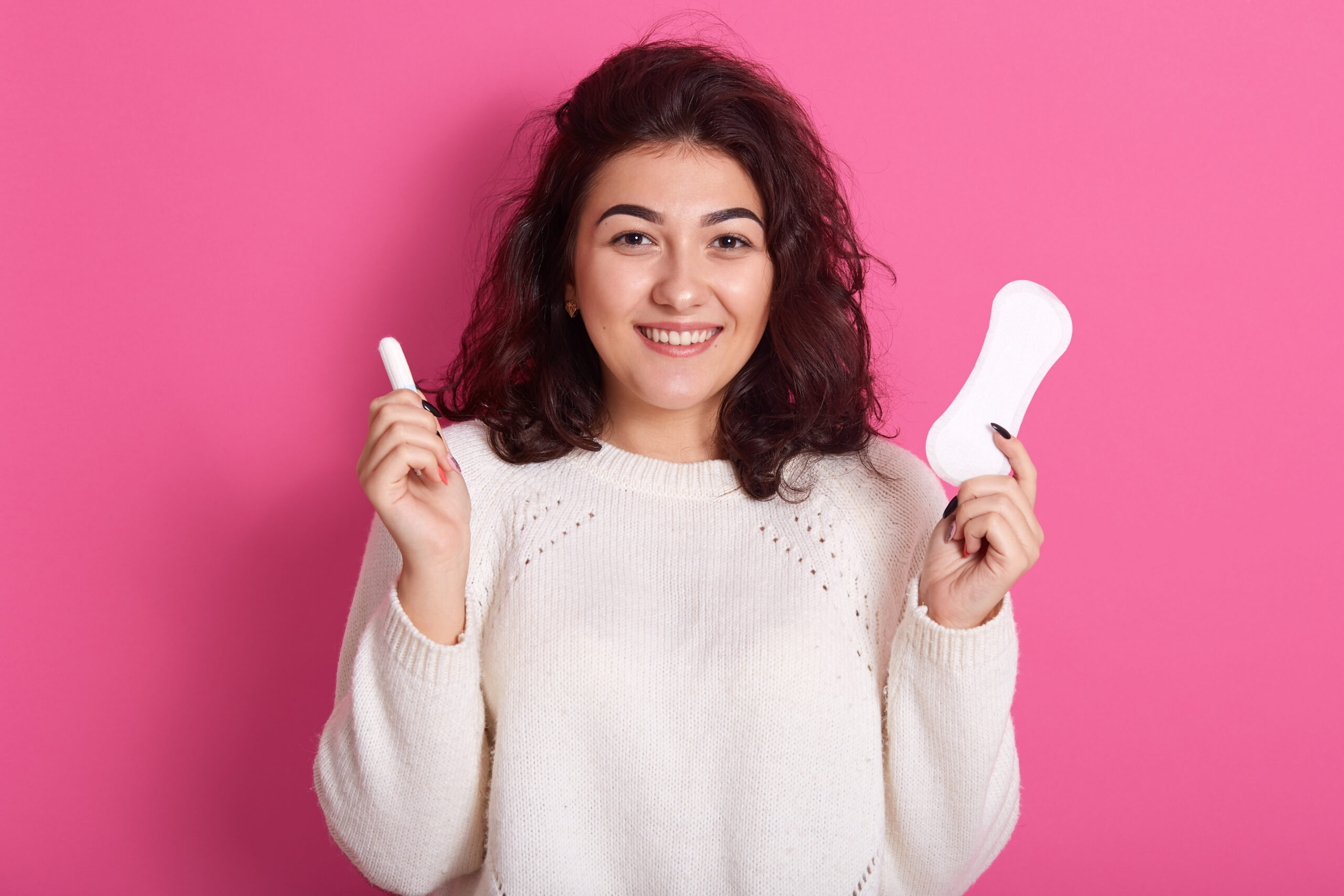
For many women, PMS (Premenstrual Syndrome) has become something they simply accept as part of life. Mood swings, bloating, cravings, headaches, fatigue, irritability, and painful cramps are often brushed off as “normal.” While mild symptoms can occur due to hormonal changes before menstruation, severe PMS and painful periods should never be ignored.
What Causes PMS?
PMS occurs during the luteal phase of the menstrual cycle, after ovulation and before your period begins. During this time, fluctuations in estrogen and progesterone can affect neurotransmitters such as serotonin, influencing mood, appetite, sleep, and energy levels.
Several factors can worsen PMS symptoms:
- Chronic stress and elevated cortisol
- Poor sleep quality
- Blood sugar imbalances
- Insulin resistance
- Nutritional deficiencies
- Gut health issues
- Chronic inflammation
- Excess consumption of ultra-processed foods
- Sedentary lifestyle habits
The severity of PMS is often a reflection of overall health rather than hormones alone.The severity of PMS is often a reflection of overall health rather than hormones alone.
Common PMS Symptoms
Women may experience:
- Mood swings
- Irritability
- Anxiety
- Fatigue
- Bloating
- Breast tenderness
- Headaches
- Food cravings
- Difficulty concentrating
- Sleep disturbances
- Painful cramps
While mild symptoms may occur, PMS should not significantly affect your ability to work, exercise, maintain relationships, or enjoy daily life.
PMS Facts vs Myths
Myth 1: Painful periods are normal.
Fact: Mild discomfort can occur, but severe pain that requires medication every month or interferes with daily activities should be investigated.
Myth 2: PMS is all in your head.
Fact: PMS is a real physiological condition influenced by hormones, inflammation, stress, nutrition, and lifestyle factors.
Myth 3: Cravings mean you lack willpower.
Fact: Poor sleep, stress, blood sugar fluctuations, and hormonal changes can all increase cravings.
Myth 4: There’s nothing you can do about PMS.
Fact: Nutrition and lifestyle interventions can significantly improve symptoms for many women.
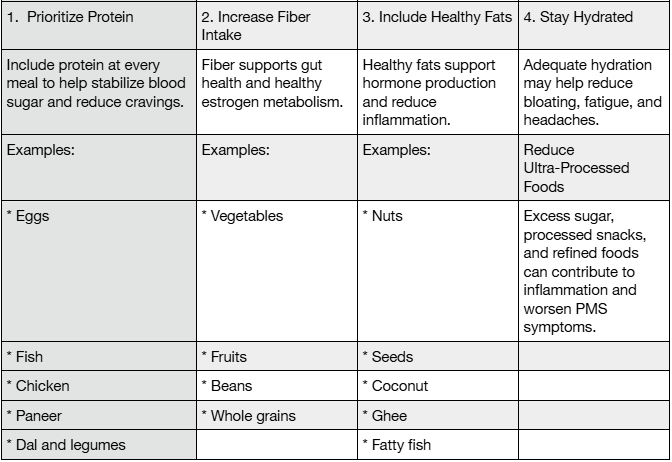
Nutrition Guidelines for PMS
Nutrition plays a powerful role in supporting hormonal balance and reducing PMS symptoms.
Simple Lifestyle Tips for PMS
1. Prioritize 7–9 hours of quality sleep
2. Manage stress through breathing exercises, prayer, meditation, or journaling
3. Walk daily and stay physically active
4. Avoid skipping meals
5. Spend time outdoors and get morning sunlight
6. Listen to your body’s energy needs throughout your cycle
My Vision for Women’s Health
As a nutritionist, my mission is to help women understand that painful periods and severe PMS symptoms are not things they simply have to tolerate.
My vision is to create a community of women who understand their bodies, identify early warning signs, and use nutrition and lifestyle habits to support their health naturally.
I believe every woman deserves to experience better energy, improved hormonal health, and healthier menstrual cycles.
How My 100 Days Program Can Help
Through my 100 Days Nutrition Transformation Program, I help women address the root causes that may be contributing to PMS symptoms, including poor nutrition, blood sugar imbalances, gut health concerns, stress, and unhealthy lifestyle patterns.
The program includes:
✔ Personalized nutrition guidance
✔ Weekly consultations
✔ Accountability and support
✔ Hormonal health education
✔ Gut health support
✔ Lifestyle coaching
✔ Sustainable fat-loss strategies
✔ Practical solutions for cravings and energy management
Rather than focusing on temporary diets, the program helps women create lasting habits that support long-term health.
Over the years, I have worked with many women who have reported:
- Reduced PMS symptoms
- Less bloating and cravings
- Improved energy levels
- Better sleep quality
- Improved digestion
- Reduced mood swings
- Better hormonal balance
Many women with PCOS, insulin resistance, thyroid concerns, and hormonal imbalances have experienced significant improvements through consistent nutrition and lifestyle support.
Your period is your body’s monthly health report card
If you are experiencing severe PMS symptoms, painful periods, intense cravings, mood swings, or fatigue every month, your body may be asking for support.
Pain-free periods may not happen overnight, but with the right guidance, nutrition, and lifestyle habits, healthier cycles are absolutely possible.
At Dr. Joline’s Clinic, our goal is simple: to help women understand their bodies, address the root causes of their symptoms, and create lasting health transformations, one cycle at a time.**
To learn more about the 100 Days Nutrition Transformation Program, contact Dr. Joline’s Clinic and take the first step toward better hormonal health and pain-free periods.
To get in touch you can Whats app on 9764240528.
Visit the website for more information www.drjoline.com