
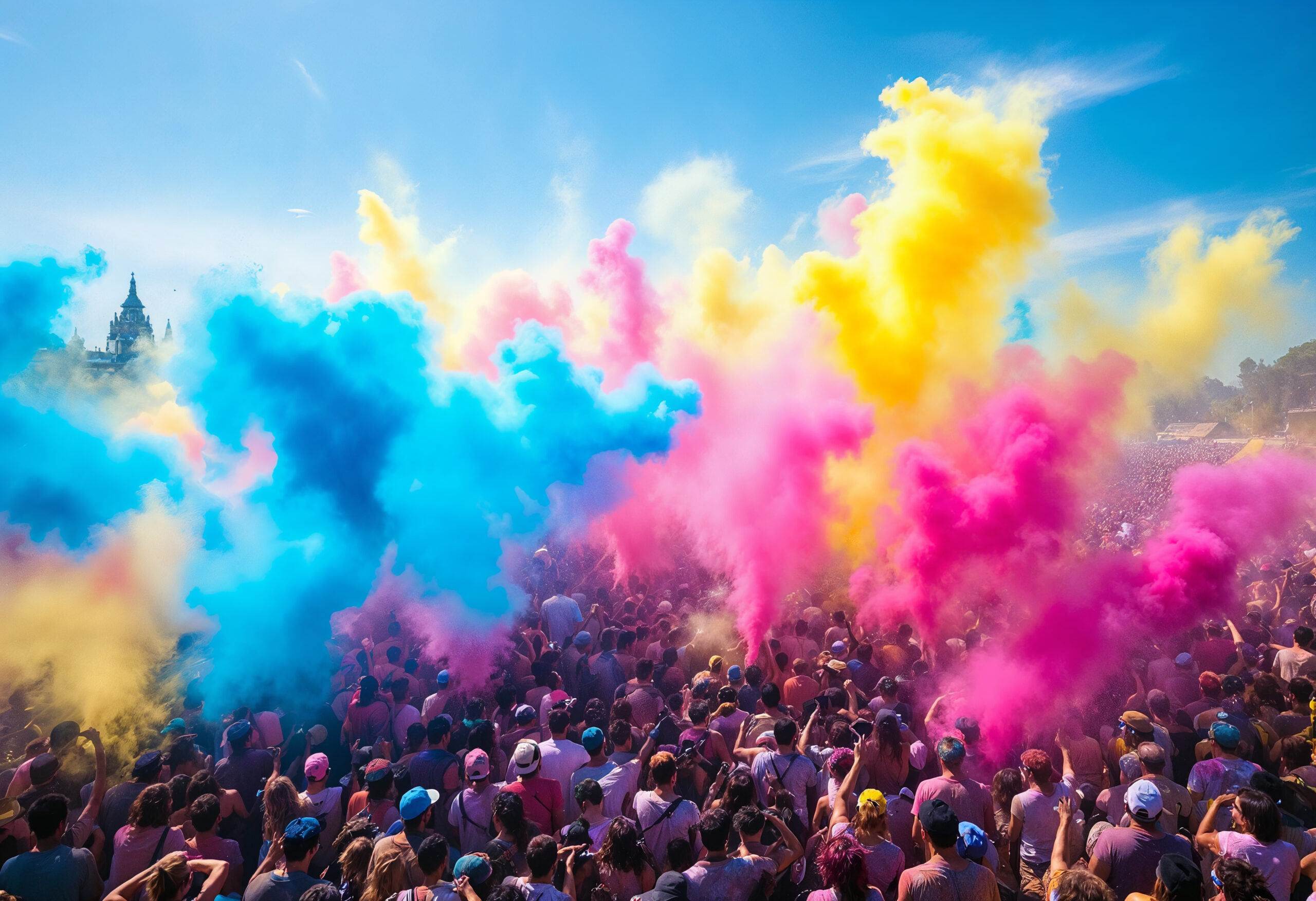
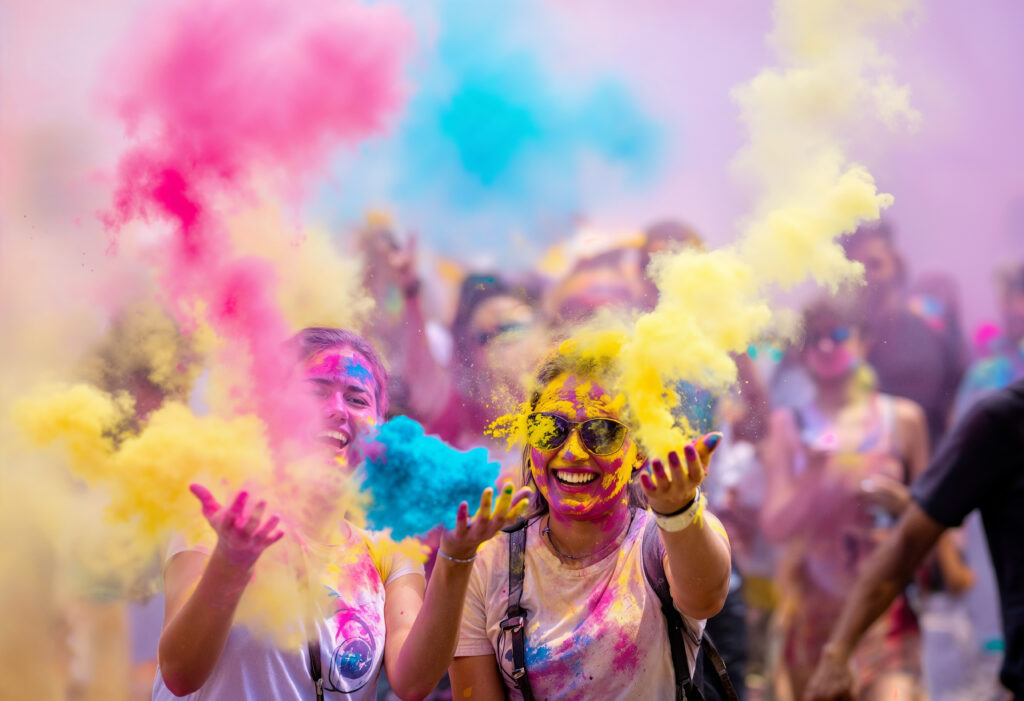
Just when the echoes of Holi begin to fade elsewhere, Goa welcomes Rang Panchami, a quieter, more soulful celebration where colours flow with intention, devotion, and grace. Set against temple courtyards, village streets, and age-old rituals, Rang Panchami in Goa feels less like a spectacle and more like a shared prayer in colour. It is a festival where tradition takes centre stage, and joy unfolds gently, one hue at a time.
What Is Rang Panchami?
Rang Panchami is celebrated five days after Holi, marking the spiritual culmination of the festival of colours. In Goa, the day holds deep cultural and religious meaning, especially within temple communities. Unlike the playful chaos of Holi, Rang Panchami emphasises harmony, gratitude, and the purification of negative energies.
The festival symbolises the balance of the five elements, earth, water, fire, air, and space, and celebrates the divine energies believed to descend on this auspicious day.
How Goa Celebrates Rang Panchami
Across Goa, Rang Panchami comes alive through temple rituals, devotional music, and the ceremonial use of colours. Temples such as those dedicated to Lord Krishna and local deities host special prayers, bhajans, and community gatherings. Devotees apply gulal with reverence, not mischief, creating an atmosphere that feels spiritual yet joyful.
In many villages, locals gather in temple courtyards where colours are offered as a blessing rather than thrown casually. The celebration strengthens community bonds and preserves Goa’s traditional Hindu practices.
A Festival Rooted in Spiritual Energy
This festival carries a strong spiritual essence. According to belief, the day helps purify the mind and body while attracting positive cosmic vibrations. The use of natural colours aligns with the idea of healing, balance, and renewal. In Goa, this belief reflects in the calm, respectful way the festival unfolds.
The celebration encourages mindfulness, reminding people to welcome joy without excess and tradition without rigidity.
Cultural Significance in Goan Society
In Goa’s evolving cultural landscape, this festival plays an important role in preserving indigenous traditions. Families pass down rituals, stories, and practices to younger generations, ensuring continuity. The festival also highlights Goa’s lesser-seen spiritual side—one that exists beyond beaches and nightlife.
For visitors, Rang Panchami offers a rare opportunity to witness Goa’s authentic cultural rhythm and participate respectfully in local traditions.
Food, Community, and Togetherness
Like most Goan festivals, this festival brings people together over simple, traditional meals. Families prepare home-cooked food and share it with neighbours and temple communities. These moments of togetherness reflect the festival’s true spirit—connection, gratitude, and balance.
Rang Panchami Today: Tradition in a Modern World
While modern lifestyles continue to shape celebrations, Rang Panchami in Goa remains rooted in its core values. Many communities now emphasise eco-friendly colours and mindful participation, ensuring that tradition evolves without losing its soul.
The festival proves that celebration does not need noise to be powerful—sometimes, it needs only colour, faith, and collective harmony.
Conclusion
Rang Panchami in Goa stands as a gentle reminder that festivals can be both beautiful and meaningful. With its spiritual depth, cultural richness, and community-driven celebrations, the festival adds another vibrant layer to Goa’s diverse heritage. Long after the colours wash away, the sense of peace and togetherness remains.