

A Life Shaped by Global Exposure and Local Roots
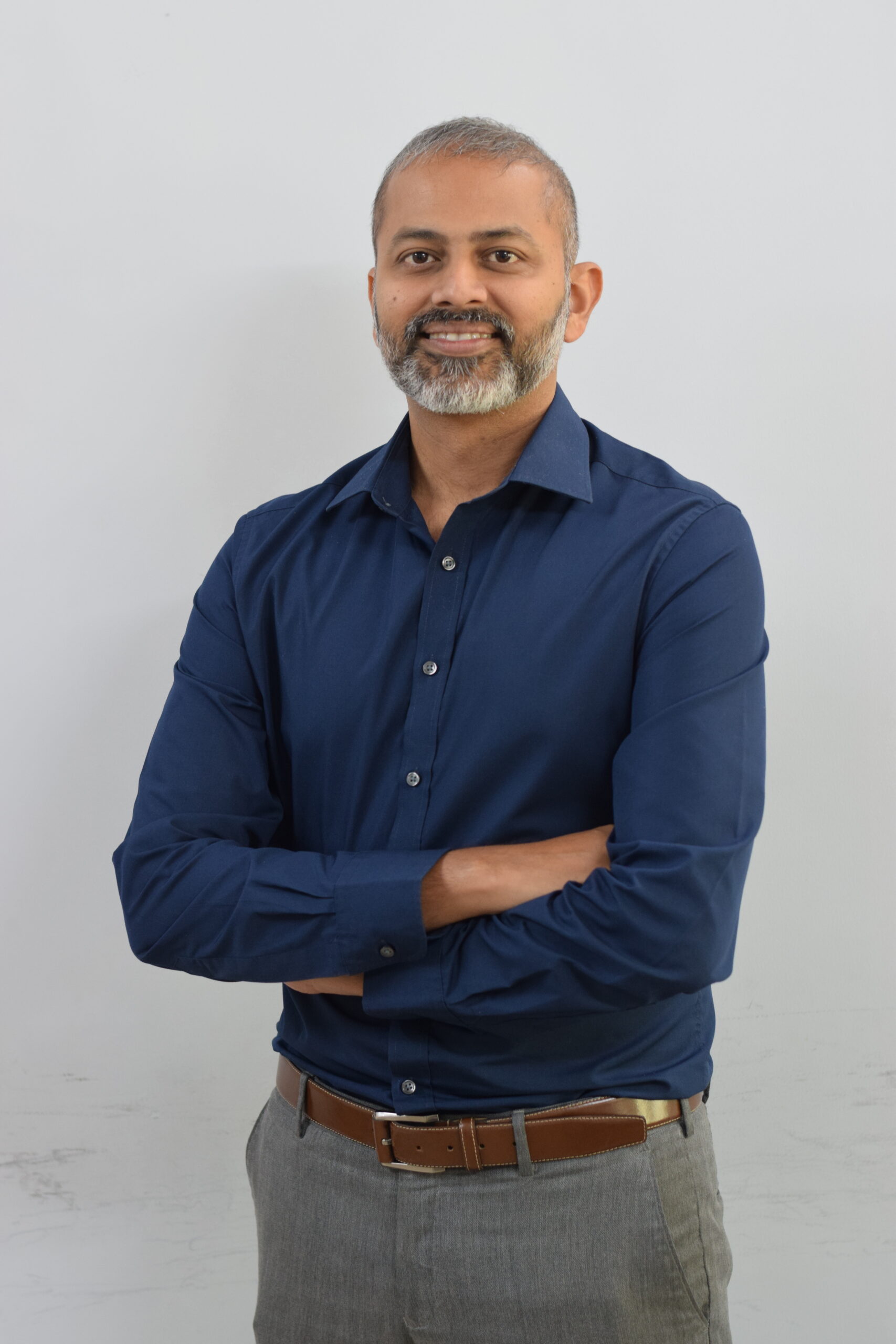
Russell Cardozo’s journey spans continents and cultures. Over the past three decades, he has lived and worked across Mumbai, Hollywood in California, and Dubai’s Media City, while travelling extensively through North America, Europe, the Middle East, and Asia. These experiences sharpened his cross-cultural understanding and global perspective.
In 2019, Russell returned to his ancestral home on Divar Island in Goa. The pandemic lockdown became a turning point. Immersed in the island’s natural rhythms and social fabric, he began observing, documenting, and engaging deeply with the local community. This period marked a decisive shift from a career-driven path in IT and media to a purpose-driven life centred on conservation, education, and community engagement.
The Divar Island Project: A Living Community Initiative
The Divar Island Project emerged as a community-based initiative rooted in Goa’s river islands. At its core, the project seeks to preserve Divar’s fragile biodiversity and cultural ecosystem while offering meaningful, immersive experiences to conscientious travellers.
Rather than conventional tourism, the project curates carefully designed encounters for biodiversity researchers, wildlife enthusiasts, food lovers, history seekers, and explorers interested in the lesser-known side of Goa. Each experience is enriched by local narratives, islander knowledge, and access to spaces rarely seen by outsiders. Group sizes are intentionally small, led by native islanders with a deep connection to their land.
A portion of every experience supports community awareness, youth empowerment, and local entrepreneurship, ensuring that engagement with the island directly benefits its people.
Origins Inspired by Urgency and Observation
The idea for the project took shape during the pandemic when travel restrictions encouraged Russell to explore Divar with renewed attention. What began as quiet observation soon revealed a growing imbalance.
He witnessed ancestral homes disappearing, traditional festivals losing their original character, and oral histories fading from memory. Environmental pressures such as encroachment, unplanned construction, poor waste management, ferry congestion, water shortages, and power cuts further highlighted the island’s vulnerability. Weak local governance often left residents to manage these challenges alone.
The Divar Island Project became Russell’s response to this urgency, a platform to document, connect, and act before the island’s cultural and ecological rhythm is lost.
Guiding Philosophy and Core Mission
The project is guided by a simple yet powerful belief: meaningful connections with nature, culture, and community foster care, curiosity, and long-term stewardship. It aims to educate both visitors and locals while restoring balance between sharing heritage and conserving it.
Preserving Culture Through Participation
Divar’s cultural identity is preserved through direct engagement rather than display. The project documents traditions, seasonal cycles, and oral histories through guided walks and collaborations. Visitors are welcomed into ancestral homes, farms, chapels, wetlands, and khazan landscapes, experiencing culture as a living system intertwined with ecology.
Beyond storytelling, the initiative actively supports community welfare. It has assisted environmental and animal welfare organisations in operating more effectively on the island. With coordination support, the Worldwide Veterinary Service successfully sterilised 360 stray dogs in one month, while ongoing collaboration with PAWs has helped reduce stray-related incidents.
A Youth Empowerment Program currently runs in Divar schools, encouraging students to become informed protectors of their island.
Community Involvement at the Heart of the Project
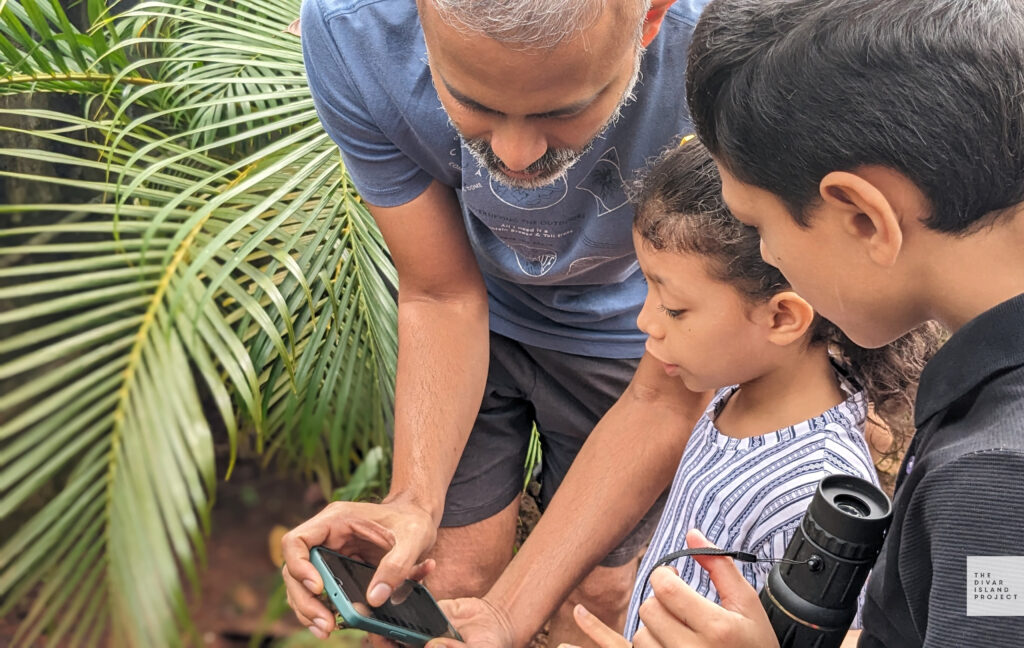
Every excursion involves local residents, farmers, elders, and storytellers who share lived experiences rather than rehearsed narratives. Russell works closely with village elders to record oral histories and collaborates with schools and young volunteers to document biodiversity and heritage.
One deeply impactful initiative addressed the island’s growing stray dog crisis, which had led to accidents, animal deaths, and rising rabies cases. Workshops conducted with WVS helped shift community attitudes from hostility to responsible care through feeding and sterilisation.
Other meaningful moments include documenting elders’ memories of the island and screening the film Kharvan by filmmaker Nitya Navelkar for schoolchildren, helping them see Divar as an ecological marvel rather than just a place to live.
Programs Rooted in Ecology and Learning
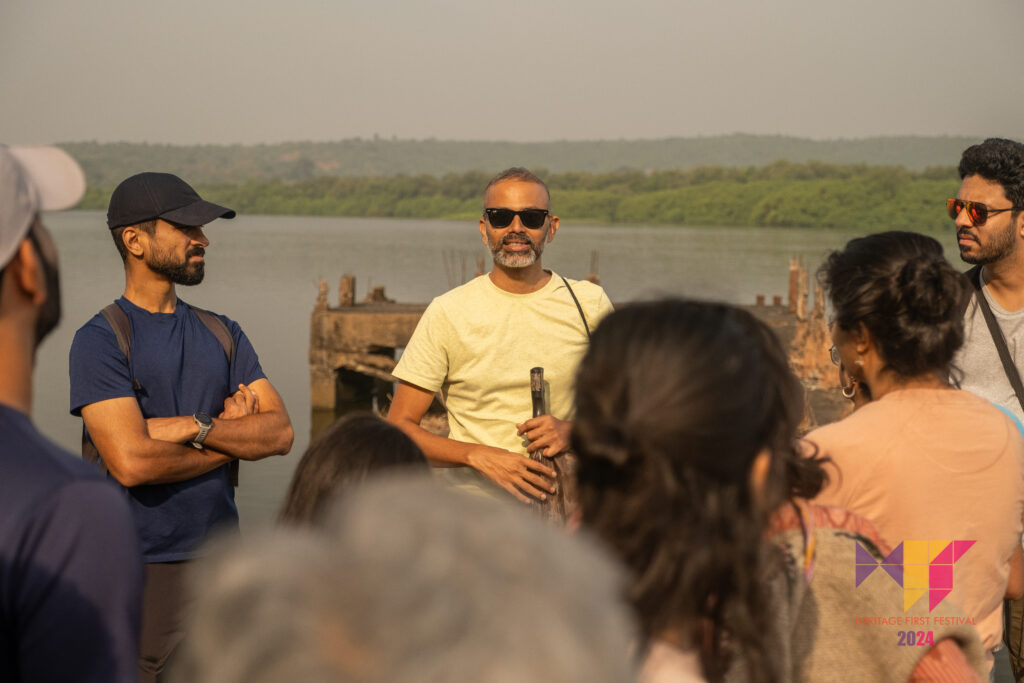
The Divar Island Project curates farm walks, heritage walks, bird walks, nature treks, house visits, and short stays. These experiences highlight the island’s unique ecosystems and the khazan landscapes, showing how agriculture, livelihoods, and nature coexist.
The project also conducts outdoor music therapy workshops themed around ecology, encouraging participants to value shared spaces and environmental preservation. Each program is designed to be immersive, educational, and respectful of the island’s limits.
A Responsible Approach to Sustainability
Environmental responsibility is embedded in every aspect of the project. Visitors are encouraged to leave vehicles on the mainland and travel using ferries and local buses. The project has developed a local public transport-based “Hop On, Hop Off” model to reduce traffic and pollution while strengthening existing infrastructure.
Group sizes remain limited, and a strict leave-no-trace policy is followed. Visitors are actively discouraged from carrying single-use plastic, reinforcing mindful travel habits aligned with conservation goals.
Balancing Purpose Over Profit
Russell is clear that this is not a tourism venture in the traditional sense. It functions as an experiential learning and awareness initiative. While this approach brings financial challenges and irregular visitor flow, it allows the project to remain aligned with its core purpose, placing Divar’s ecology and heritage above commercial gain.
Measurable Impact on the Community
The project has attracted researchers, nature enthusiasts, and culturally sensitive travellers who engage in meaningful exchanges with locals. Their presence supports homestays, taverns, eateries, and service providers, contributing to a steady and sustainable local economy. Many visitors return, strengthening long-term community relationships.
More importantly, there has been a noticeable shift in local attitudes. Residents are now more proactive in reporting wildlife injuries, supporting sterilisation drives, and addressing animal welfare concerns. This growing sense of shared responsibility reflects deeper community awareness and cooperation.
Recognition and Collaborations
The Divar Island Project has been featured in The Navhind Times Panorama, Heritage First Festival Goa 2024–25, and Serendipity Arts Festival 2024. It has collaborated with organisations such as WWF for the City Nature Challenge 2025 and the Indian Army’s Operation Sadbhavna 2025.
With support from the Homi Bhabha Fellowship Council, Mumbai, the project currently runs a structured Youth Empowerment Program on the island. Partnerships with Goa Bird Conservation Network, schools, artists, researchers, and environmental organisations continue to shape and strengthen its impact.
Looking Ahead
Russell envisions establishing a self-sustaining, community-led model that can be adapted across other river islands of Goa. Plans include expanding youth nature and heritage programs and developing short-term volunteering modules for environmentalists and ecologists seeking meaningful engagement.
A Personal Connection to Place
For Russell Cardozo, Divar is more than geography. It represents home, memory, and identity. It embodies the idea that true belonging comes from living in balance with land and community.
A Message for Communities Everywhere
Russell believes culture and ecology are inseparable. Protecting one requires understanding and caring for the other. His message to communities working to preserve their heritage is simple yet profound: start where you are, observe deeply, connect honestly, and act with intention. Every small effort contributes to a larger story of continuity, care, and resilience.