
The region of Solapur in Maharashtra is not widely known for setting conventional tourism popularity charts on fire, and yet the southwestern district remains one of Maharashtra’s most quietly significant pilgrimage centres. Pilgrims arrive here with purpose, guided by long traditions and spiritual desires. The city meets that devotion without spectacle, offering steady faith and a network of sacred places that continue to draw millions each year.
Solapur has grown used to being a destination where people largely arrive either for a spot of trade or with a sense of faith. They come because belief has created a spiritual map in which this city sits firmly and without fuss, especially for folks from western and central India. Pilgrimage here is constant and a matter of fact; one that does not require seasonal hype or advertising. It continues because people still feel the need to look inwards.
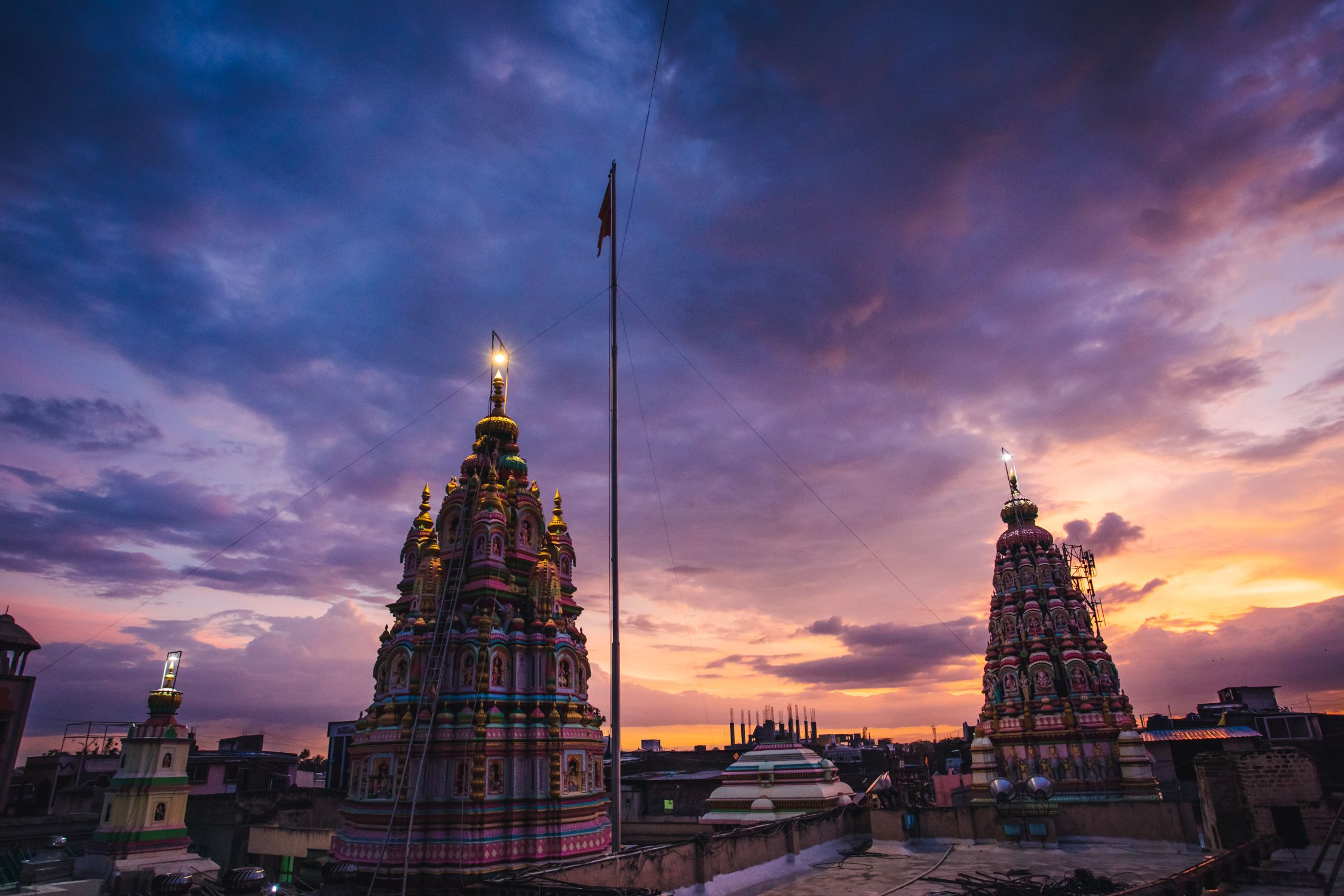
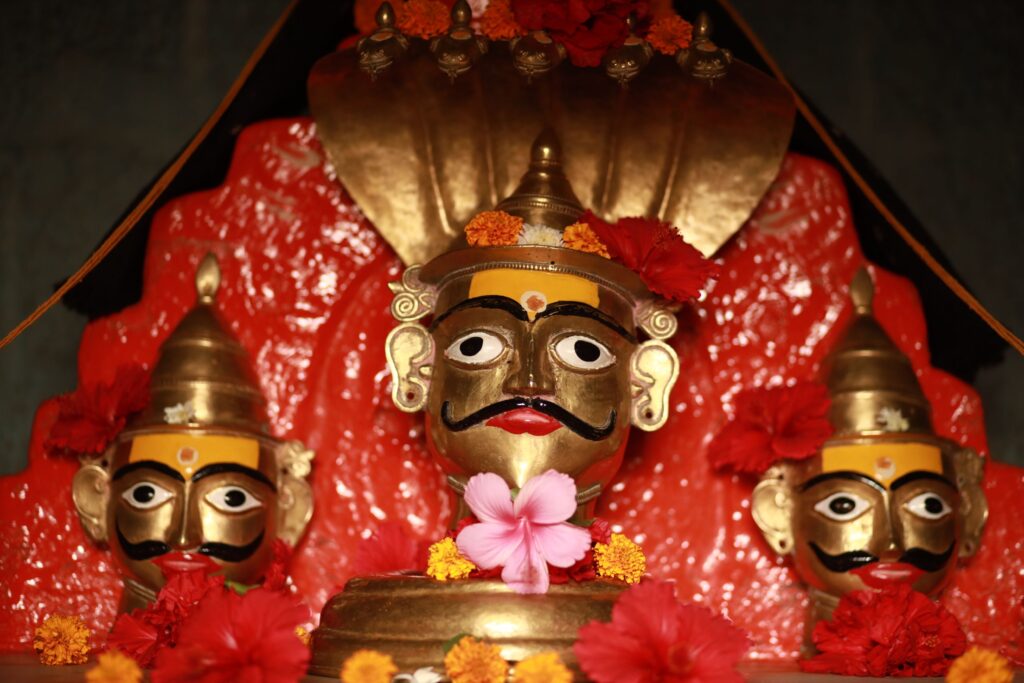
The Siddheshwar Temple stands at the centre, its lake marking the city’s geography with as much cool and calm as its spread of faith. The flow of devotees begins early, as is the case with most spiritual destinations. Rituals unfold with a rhythm that has settled over generations. During the annual Gadda Fair the neighbourhood expands into a sprawling celebration, with stalls spilling over onto the pavements and adding a seasonal bustle that spills into the city’s economy as much as its devotional calendar.
Move through older parts of Solapur and more shrines appear, built into the neighbourhoods they serve. The Shri Rupabhavani Temple does not stand apart from the street, having long blended into the architectural and aesthetic ethos of Solapur. The devotion here is part of the daily routine rather than a special excursion.
Solapur’s religious identity is not limited to these city icons. Bhuikot Fort sits close enough to the centre to be folded into most visits. The fort walls have seen battles and political shifts, yet inside stands a temple complex that still attracts the faithful. The site is as much a historical anchor as a spiritual pause and remains a reminder that Solapur’s story predates its industrial rise.
To understand why Solapur matters in the spiritual life of this region, it helps to look beyond the city’s immediate limits. Not far from Solapur, an ancient pilgrimage circuit has built and sustained towns and neighbourhoods on the twin altars of belief and faith. Pandharpur is the clearest example. The Vitthal Rukmini Temple draws lakhs of devotees, especially during the wari, the annual foot journey that cuts through weather and distance, powered by the spirit of devotional chants. The pilgrims arrive from across Maharashtra and neighbouring states, walking for days to pay homage to the revered deity. The visit may be short, but the commitment that gets them there is lifelong.
Akkalkot lies in another direction, focused on the legacy of Swami Samarth. The crowds here shift with the day but rarely thin out completely. Tuljapur, in yet another direction, keeps alive the influence of Tulja Bhavani, a figure tied closely to the Maratha imagination and older traditions of power and protection. These places mark the outer circle of Solapur’s pilgrimage identity. Together they give the city the role of a base camp; a sort of spiritual junction from where faith carries pilgrims outwards on different paths.
Other routes from the city open up smaller but steady streams of devotion. Barshi, not too far away, is known for Bhagwant Mandir, a popular shrine where the principal deity is Vishnu. Travellers headed that way often combine their visit with other smaller temples around the region. Kudal Sangam Temple sits south of Solapur at the confluence of two rivers and continues to draw families seeking the quiet reassurance of the confluence, which is considered holy. The Shri Dahigaon Teerth offers another stop for pilgrims who are looking for a slower, more contemplative outing during their pilgrimage.
Within the city again, places like the Shri Gajanan Maharaj Mandir and the Vishnupad Temple add to the long list of neighbourhood shrines that sustain everyday faith. Sant Kaikadi Maharaj Math not only holds religious significance but also community spaces where devotees and travellers rest and regroup. The Revansiddeshwar Temple Shivling is another key point of worship that stitches the city’s spiritual geography together.
Return to the centre of the town and another layer emerges. The Markandeya Temple has become a point of reassurance for families with young children. The belief surrounding it is quiet and personal, rooted in hope rather than spectacle. The devotion seen here mirrors the practical mindset that defines the city. Faith needs results, not declarations.
Solapur’s industrial past still shadows its present. Textile mills once shaped its economy and its working-class character. As fortunes shifted, the city appears to have adapted, tapping into its historic pilgrimages to keep its markets active, its transport networks buzzing and its entrepreneurs engaged, sustaining Solapur. The flow of visitors sustains many livelihoods in small ways that add up across the year.
Travel to Solapur once, accessed by road or rail, required patience and advance planning. That is beginning to change. With faster connections to the region now in place, the city finds itself easier to reach even for pilgrims from Goa, who can now access the pilgrimage town via FLY91, a pure play regional airline which connects Solapur to the Manohar International Airport at Mopa in North Goa. The regional airline operates the Solapur-Goa route with a frequency of four flights per week, ensuring consistent and reliable regional connectivity.
Pilgrimage may always anchor Solapur, but accessibility adds room for new visitors to find their way in. What remains unchanged is the reason people come. Faith in Solapur reduces itself to essentials. It does not ask anyone to be perfect. It only asks them to show up. The city continues to respond with the same grounded reliability it has always had. For those who seek something to hold on to, that can be enough.