
In the quiet village of Nuvem in South Goa, a young artist is reviving one of Goa’s most visually iconic art forms with patience, precision, and contemporary creativity. At just 25 years old, Noah De Souza has transformed a childhood fascination into a thriving artistic venture through Souza Azulejos, a brand dedicated to preserving the timeless beauty of Portuguese-inspired azulejo art in Goa.
Raised in a family deeply connected to music and creativity, Noah grew up surrounded by artists and musicians, influences that naturally shaped his artistic sensibilities. While music became one part of his identity, another passion slowly emerged through the intricate ceramic tiles that decorated his home. What began as an inherited interest from his father gradually evolved into a lifelong pursuit of craftsmanship and cultural preservation.
A Childhood Surrounded by Art and History
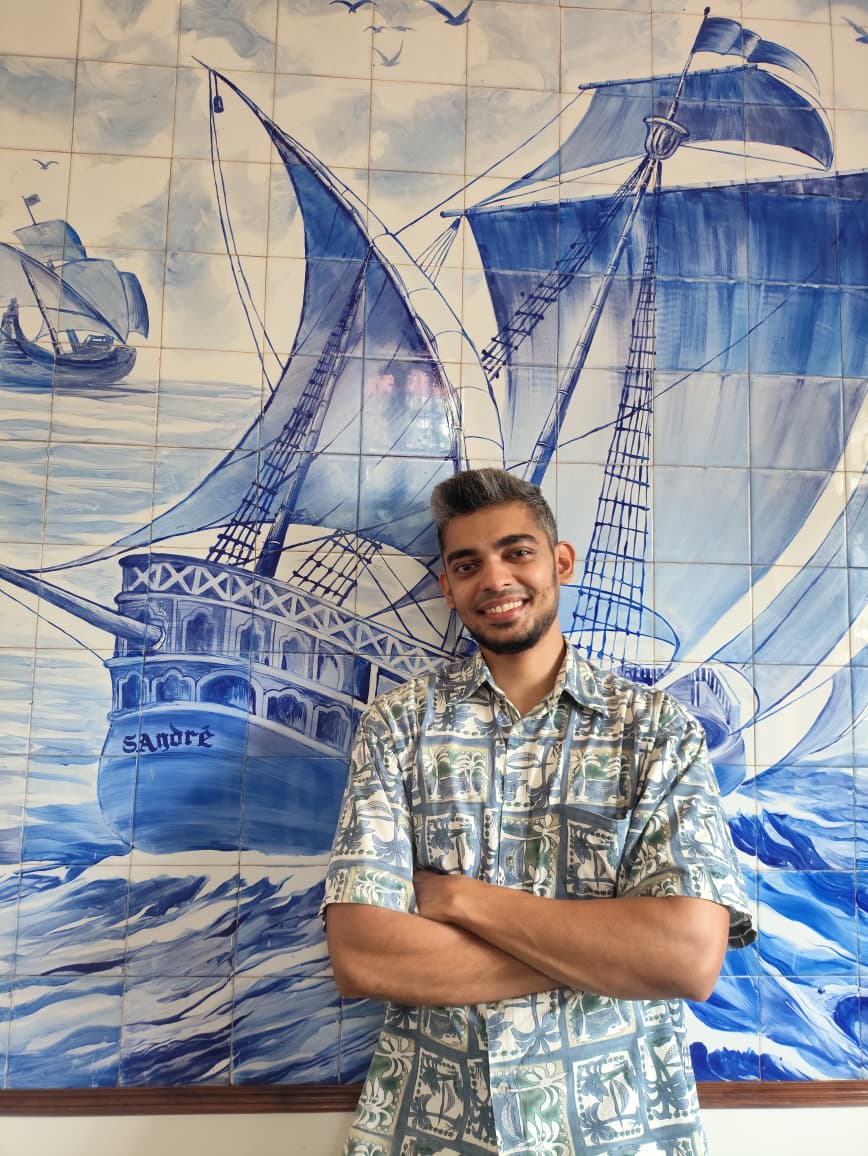
The roots of Souza Azulejos can be traced back to Noah’s childhood home renovation in 2007. During that time, the house became filled with azulejo-inspired artefacts, including a striking 144-tile mural of a Portuguese carrack designed by his father, Andre De Souza at a time when azulejo art was still relatively unfamiliar to many in Goa.
Growing up around these handcrafted pieces left a lasting impression on him. The elaborate tile murals, decorative plaques, and the historical narratives preserved within them sparked a deep admiration for the art form. For Noah, azulejos represented more than décor, they carried stories, identity, and centuries of heritage.
He recalls being fascinated by the elegant name plaques displayed outside traditional Goan homes and by the idea that art could survive for generations through ceramic craftsmanship. Over time, he realised that many people, including fellow artists, were unaware of azulejo history or even struggled to pronounce the word itself. That realization strengthened his sense of purpose and inspired him to contribute toward preserving and promoting the tradition.
The Rich Legacy of Portuguese Azulejos
Though widely associated with Goa’s Portuguese heritage, azulejo art has origins that extend much further back in history. The art form evolved through Moorish influence in Spain, where intricate geometric ceramic designs and vibrant patterns were commonly used in architecture.
Later introduced to Portugal during the reign of King Manuel, azulejos gradually evolved into the blue-and-white painted tiles now recognised around the world. These tiles often depicted religious imagery, historical events, floral motifs, fauna, and scenes from daily life.
In Goa, Portuguese influence integrated azulejo art into churches, mansions, and public institutions, creating a distinctive architectural identity that remains deeply embedded in the state’s visual culture today. For Noah, this fusion of history and artistry is what makes azulejos so meaningful. Each tile becomes a fragment of preserved heritage, carrying stories across generations.
Turning Passion Into a Profession
Souza Azulejos officially began through small custom orders shared on Instagram stories. As demand gradually increased, Noah began collaborating with talented woodworker Rowan Serrao, whose encouragement motivated him to invest in his own kiln and fully commit to the craft.
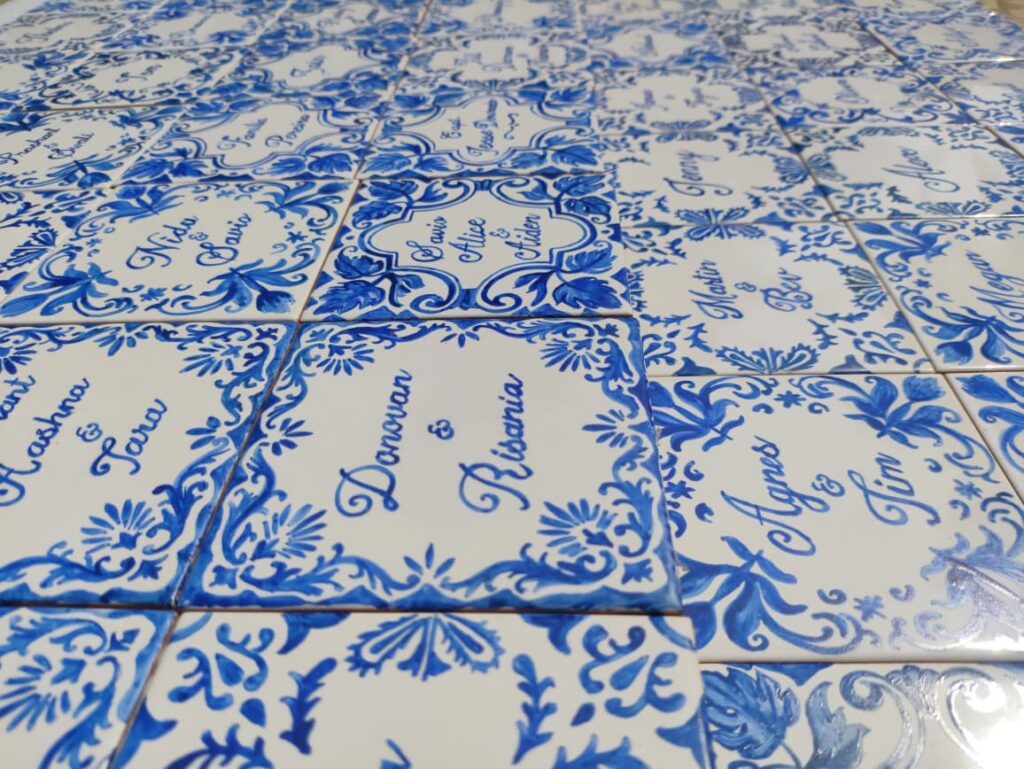
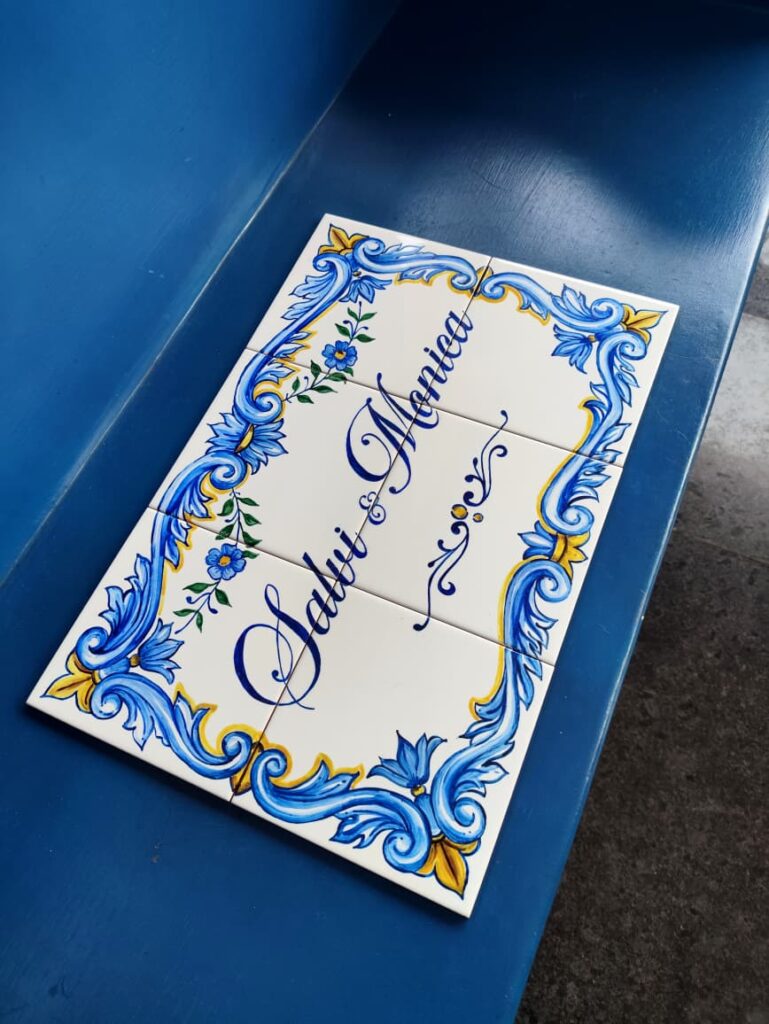
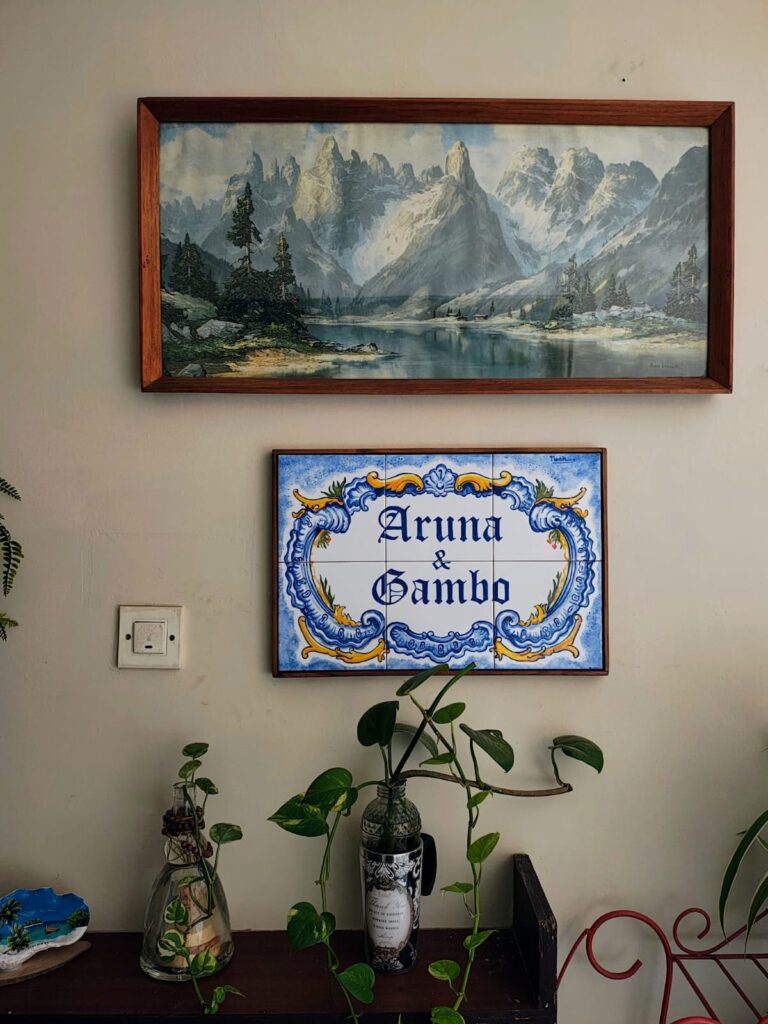
Today, the studio has evolved into a respected name for handcrafted azulejo plaques, coasters, and bespoke ceramic pieces. Among the most popular requests are bulk wedding coasters and the signature two-tile and six-tile azulejo name plaques that have become increasingly popular across Goa and beyond.
What distinguishes Souza Azulejos is its ability to blend traditional Portuguese aesthetics with personalised contemporary design. While many clients request classic Goan-inspired styles, others seek bold modern interpretations featuring gothic black themes, emerald green palettes, or unique colour combinations. Noah carefully experiments with pigments, layouts, and techniques beforehand to ensure every design remains authentic while reflecting the client’s individuality.
The Precision Behind Every Tile
Behind the elegance of every finished plaque lies a process rooted in patience and meticulous execution. Noah begins by designing each piece according to the client’s preferred style, typography, and layout. Customers can browse references from his existing catalogue before receiving a digital preview of the final concept.
Once approved, the design is transferred onto ceramic tiles either through tracing techniques or freehand pencil work, ensuring balance and symmetry throughout the composition. The painting stage requires extraordinary concentration, as azulejo pigments demand precision and controlled execution.
After the artwork is completed, the tiles undergo overnight firing in a kiln at high temperatures. Different pigments often require specific firing temperatures, making the process both technical and unpredictable. Nearly twenty hours later, the finished azulejos emerge transformed into durable pieces of ceramic art.
There are also various methods of creating azulejos, including underglaze, inglaze, and overglaze techniques, each known for producing distinct visual effects and artistic finishes.
Reviving Heritage for a New Generation
While many consider the fading awareness of azulejo culture among younger generations a challenge, Noah views it as an opportunity. He believes there is growing curiosity among people eager to reconnect with Goa’s artistic heritage and understand the cultural significance behind these handcrafted works.
In an era increasingly shaped by automation and artificial intelligence, he sees azulejo art as something uniquely irreplaceable. Unlike spontaneous painting styles, azulejo creation requires careful planning, structured execution, and scientific precision. Every step must be calculated before the firing process begins, leaving little room for improvisation.
Driven by this philosophy, Noah regularly conducts workshops aimed at introducing younger audiences to the craft and encouraging appreciation for traditional Goan artistry. Through these sessions, he hopes to ensure that azulejo-making continues to survive as a living cultural practice rather than becoming a forgotten relic of the past.
Balancing Music and Art
Creativity in Noah’s life extends beyond ceramic art. Born into a family of musicians, he has been performing at hotels since the age of thirteen and continues to pursue music alongside his growing business.
Balancing both worlds often means long days and even longer nights, especially when managing urgent commissions that require extensive hand-painting. Despite the demanding schedule, he has successfully maintained both passions, while also nurturing plans to eventually produce his own music. This dual artistic identity is reflected in his work; rhythmic, expressive, and deeply personal.
Landmark Projects and Memorable Creations
Among the many commissions completed by Souza Azulejos, certain projects remain especially significant. One of Noah’s earliest major milestones involved creating a thirty-tile installation beneath an altar, along with a large thirty-five-tile name plaque for the historic Gonsalves mansion. The project also marked the first time he designed the surrounding masonry work alongside the tile installation itself.
Another unforgettable experience involved hand-painting over one hundred intricately detailed coasters featuring individual names and elaborate motifs, a task requiring immense patience and precision.
For Noah, however, every plaque carries its own story. Whether executing complex custom requests or experimenting with new visual styles, each project becomes part of an evolving artistic journey.
Building the Future of Azulejo Culture
Looking ahead, Noah envisions expanding Souza Azulejos beyond custom commissions by opening a dedicated store offering handcrafted souvenirs and ceramic pieces on a larger scale. He also hopes to build a team capable of promoting azulejo culture more extensively across Goa and beyond.
One of his long-term ambitions is to create immersive artistic experiences where visitors can actively participate in making azulejos themselves, offering a deeper connection to Goa’s heritage through hands-on creativity.
At the heart of his vision lies a simple but meaningful belief, that handmade art possesses an emotional value machines can never replicate.
Through every carefully painted tile, Souza Azulejos continues to celebrate Goa’s architectural identity, preserve centuries-old craftsmanship, and remind people that heritage remains most powerful when it is lived, shared, and created by hand.