
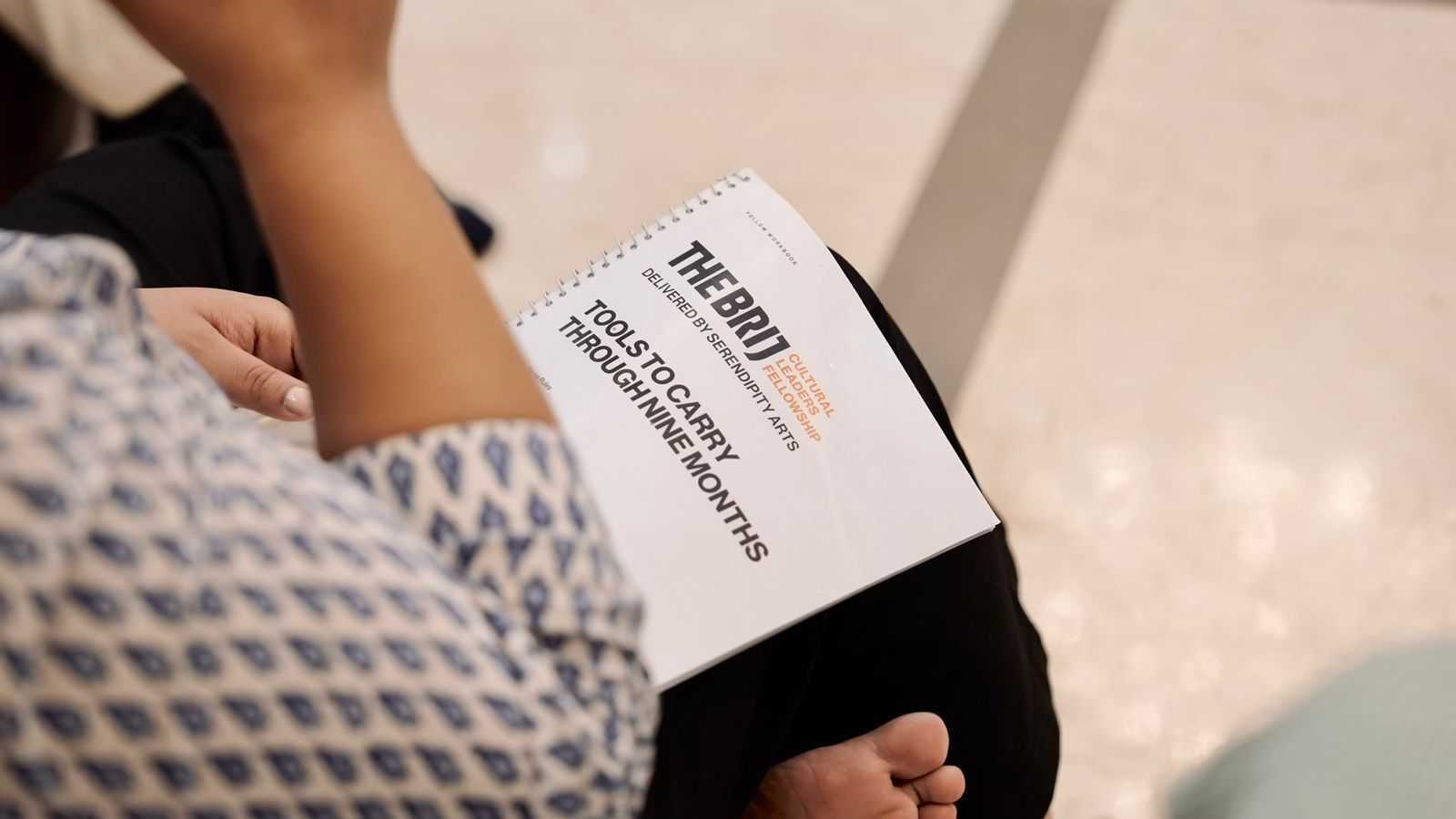
Serendipity Arts and THE BRIJ, supported by the French Embassy in India, has launched THE BRIJ Cultural Leaders Fellowship, a nine-month programme designed to build the next generation of arts leadership in India.
Panaji, July, 2026 — There is a gap at the heart of India’s cultural sector that few talk about openly. Brilliant practitioners, including artists, curators, festival directors and heritage professionals spend decades building their practice, learning entirely through experience, because of the lack of formal training for cultural leadership in the country. Institutions grow, festivals scale, and yet the people running them are largely self-taught, navigating by instinct.
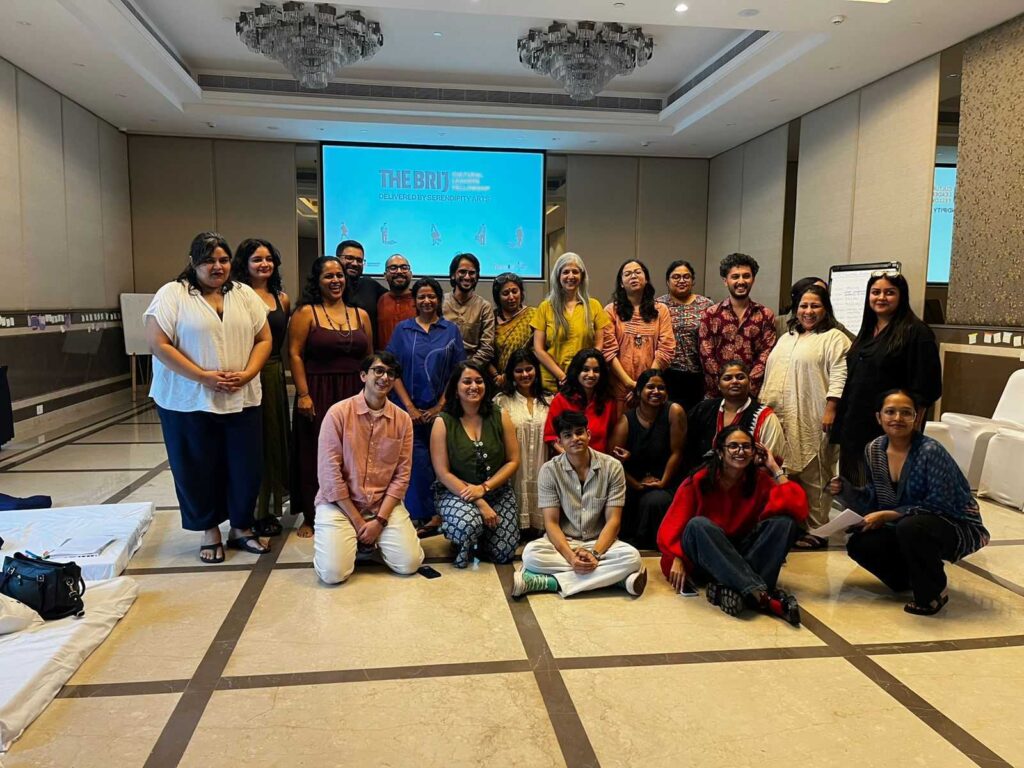
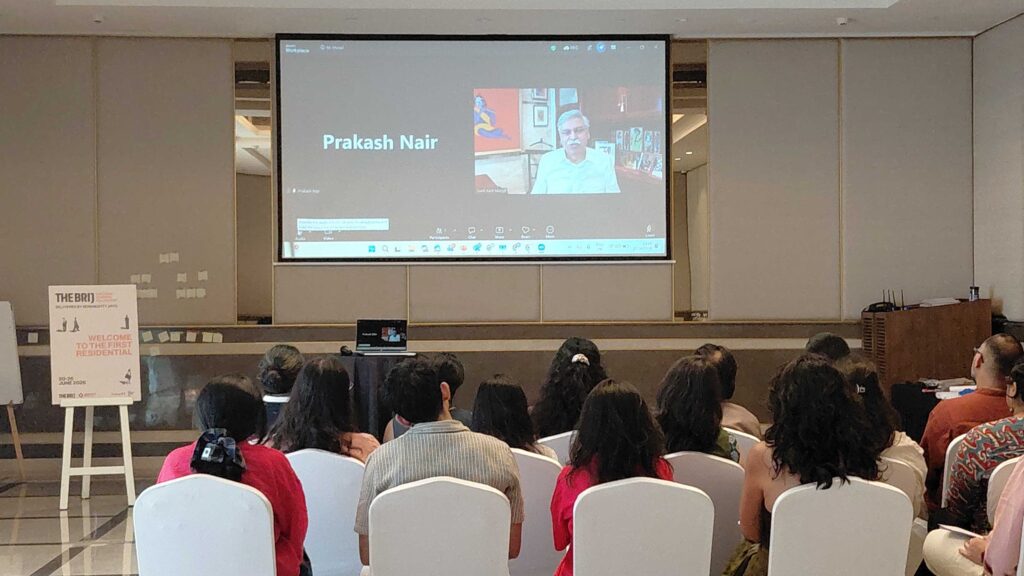
To address the gap, Serendipity Arts and THE BRIJ launched THE BRIJ Cultural Leaders Fellowship, with support of the French Embassy in India through the Fonds Équipe France (FEF) grant from the French Ministry of Europe and Foreign Affairs, a nine-month leadership development programme for mid-career cultural practitioners and cross-sector professionals. Its inaugural cohort has just concluded its first residential week in Goa, which included six days of self-inquiry, peer exchange and dialogue that marked the beginning of what many fellows are already describing as a transformative journey.
Sunil Kant Munjal, Founder & Patron of the Serendipity Arts and Chairman of THE BRIJ, expressed that “Across the country, there are remarkable individuals working at the intersection of culture, communities, education, heritage, public life, and enterprise, yet there are very few spaces that allow them to pause, reflect, and grow together. THE BRIJ Cultural Leaders Fellowship was conceived to address that need for India and for the world.” He added, “What I truly admire about this inaugural cohort is the diversity of experiences they bring into the room and their willingness to engage with difficult questions about responsibility, purpose, and impact. We see this fellowship as a long-term investment in people who will shape the future of the cultural ecosystem – not simply through the institutions they build, but through the values and ideas they carry forward.”
The Goa residential, the first of the three fellowship phases brought the inaugural cohort together for six intensive days facilitated by QYON, a human flourishing initiative recognised by the University of Oxford, and supported by intercultural practitioner Jilleen Sheldekar through CliftonStrengths-based coaching.
Sessions with India’s most accomplished cultural figures rounded out the week: feminist publisher Urvashi Butalia on building inclusive organisations; theatre maker Maya Rao on navigating institutions; Dr Mukund Rajan, former Chief Ethics Officer of the Tata Group, on the ethics of decision-making; and arts leader Ruchira Das on what it truly takes to sustain a cultural organisation in India.
For the fellows, the week already signalled something shifting. Abu Sufiyan Khan, founder of Tales of City and curator of micro-cultural experiences based in Delhi, described a fundamental reorientation. “When we are building things, you often drive by fixing a problem with your gut feeling, you are mostly looking outward at what needs to be fixed. After coming to this cohort, I realised that there is a responsibility towards me as well. My present skill set is getting me to what I have already achieved. Now I need to move up to the next level.”
Umang Sinha, Consultant in the Museums Division, Ministry of Culture, Government of India, who is interested in institution building, expressed “Over the past few days it was really interesting to interact with the rest of my peers and learn from the common aspirations and goals, but also the kind of difficulties that we face. Despite of working on different projects, we have a lot of resonance.” She added, “We haven’t actually had this sort of space before this, because the field of culture isn’t really very structured, so we don’t have avenues for collaboration like this. It’s really interesting to learn from each other and I’m looking forward to seeing what the nine months bring.”
Dipti Rao, who is currently the Deputy General Manager of Auditorium Operations at the Prestige Centre for Performing Arts in Bengaluru, India, said that “The diversity of people that are in this room is very exciting because it shows the range of projects…purposes…different kinds of perspectives that are currently available in the creative ecosystem; And we as the cohort are in some small way the representative of that. It’s very likely that we will see this kind of diversity continue to flourish because of initiatives like THE BRIJ Cultural Leaders Fellowship.”
The fellowship’s institutional context is significant. It sits within the larger vision of THE BRIJ, Serendipity Arts’ upcoming 8-acre cultural centre in Vasant Kunj, Delhi, currently under construction. Designed as one of the most sustainable cultural campuses ever built, it will house a museum, an academy, a gallery, a library, a theatre, a black box, a crafts centre and an artisanal village with two-thirds of its 1.5 million square feet built below ground.
“The programme that you’re in is going to be one of our most important contributions,” Munjal told the cohort. “We are learning about sustainability, about safety, about how to build things that last.”
Phase II runs from August to October 2026 through virtual expert sessions on the cultural ecosystem. Before the fellowship culminates in a Research Inquiry Proposal to facilitate a developed articulation of the central question each fellow has pursued throughout the programme and its implications for their future practice, Phase III brings the cohort back to Goa in December, where they will engage with the 11th edition of Serendipity Arts Festival from 13 to 20th December 2026.