
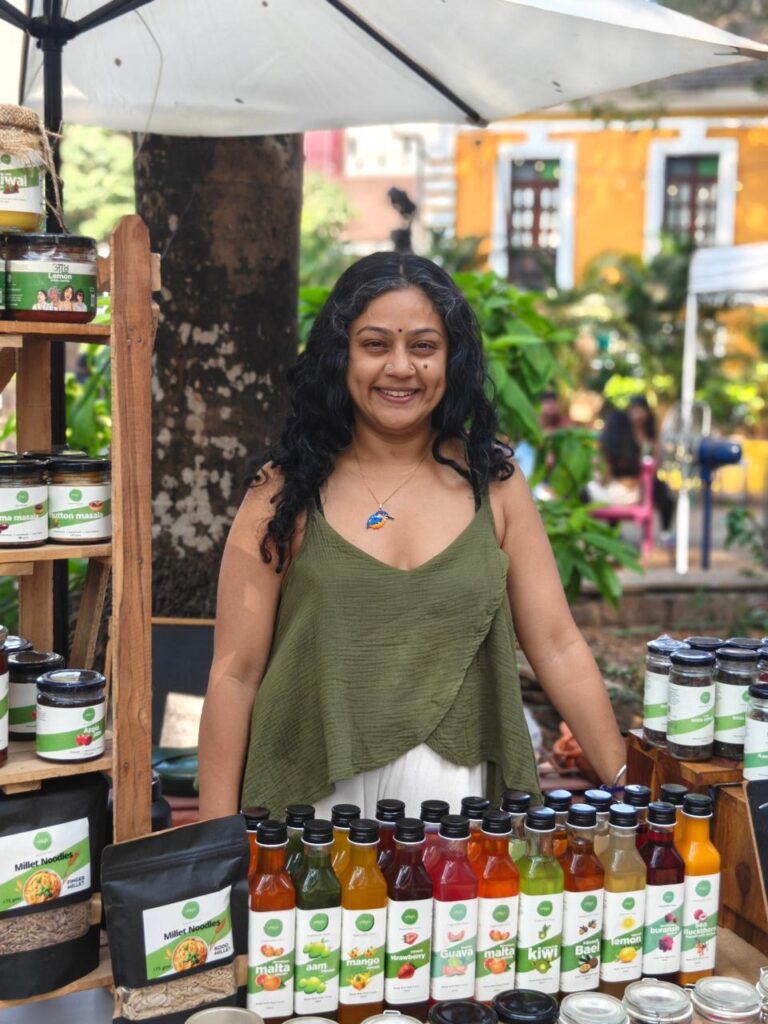
In an age where food is often shaped by speed, mass production, and aggressive marketing, a quiet movement toward slower, more thoughtful consumption is beginning to take root. At the heart of this shift is Vnya, a homegrown food brand founded by Supriya Sarin, built on the principles of honest ingredients, traditional cooking methods, and a deep respect for nature and farmers. What began as a personal search for cleaner food has grown into a meaningful venture that reconnects people with the origins of what they eat.
A Journey Rooted in Curiosity and Independence
Supriya Sarin’s professional journey did not begin in the world of food. After studying mass communication at Sophia College in Mumbai, she entered the workforce at just 19, balancing her studies while building the foundations of a career. Her early years were shaped by a strong desire for independence and a determination to make her family proud.
Growing up in a joint family, Supriya witnessed the challenges her parents navigated, particularly the limited independence they experienced in making life decisions. Her mother was determined that her children would grow up differently, independent, confident, and capable of shaping their own paths. That mindset stayed with Supriya as she ventured into the advertising industry.
For nearly 15 years, she worked in advertising, eventually establishing her own advertising production house. The industry provided valuable lessons in storytelling, brand building, and creativity. Yet over time, she began to feel a growing disconnect between the work she was doing and the values she wanted to live by. Advertising often centred on persuading people to buy products that were not always beneficial, and this realisation gradually created a sense of unease. That inner conflict led Supriya to question what she truly wanted to build, and ultimately pushed her toward something more meaningful and grounded.
The Personal Turning Point That Led to Vnya
The idea for Vnya emerged during a deeply personal moment in Supriya’s life. Her search for clean food began when her four-legged boy, Leo, fell seriously ill and was diagnosed with an autoimmune condition. The experience prompted her to rethink the kind of food she was consuming and feeding her family. Around the same time, her father-in-law was diagnosed with cancer and was advised to follow a clean, satvic diet made from simple, chemical-free ingredients. These back-to-back experiences led Supriya to ask a fundamental question: what exactly were people consuming every day?
When Supriya began searching for truly chemical-free ingredients, she discovered how difficult it was to find food that was both transparent in its sourcing and minimally processed. Her search led her to farmers in the mountains of Uttarakhand who were still cultivating crops using traditional practices passed down through generations.
What began as an effort to feed her own family better gradually evolved into something much larger. Recognising that many others were facing the same challenge, Supriya decided to create a platform that could connect people with honest, naturally grown food. That search became the foundation of Vnya.
The Meaning Behind the Name
The name Vnya itself carries a deeper significance. Derived from Sanskrit, it loosely translates to “of the wild” or “belonging to the forest.” For Supriya, the name reflects humanity’s deep connection to nature, a connection that modern lifestyles have increasingly distanced people from.
The philosophy behind the brand is simple yet powerful: progress and innovation are important, but not everything from the past needs to be replaced. Many traditional methods of growing, cooking, and preserving food were shaped over generations with a deep understanding of land, seasonality, and sustainability.
While harmful traditions must be questioned, Supriya believes the wisdom embedded in traditional food practices is worth preserving. Vnya aims to honour those practices while making them relevant for contemporary consumers.
Inspired by a Mother’s Kitchen
At the emotional core of Vnya lies the memory of Supriya’s mother. Food was always central to family life while she was growing up. Her mother, who learned to cook at a young age after marriage, became an exceptional home cook who expressed care and love through the meals she prepared.
She enjoyed experimenting in the kitchen but remained deeply rooted in traditional techniques and flavours. The kitchen was a place of creativity and generosity, where feeding others brought immense joy. Interestingly, Supriya herself had left home early and never learned to cook during her younger years, as she was focused on building her career. Yet life eventually led her back to the very place she once overlooked.
After her mother passed away, Supriya returned home and discovered old cookbooks and a diary filled with carefully written recipes. Among them were recipes that would later inspire several Vnya products. These small fragments of memory, handwritten notes, recipes, and the aromas of her mother’s cooking, continue to shape the spirit of the brand today. In many ways, Vnya is an extension of that kitchen and the love that once filled it.
A Pantry Inspired by Indian Home Kitchens
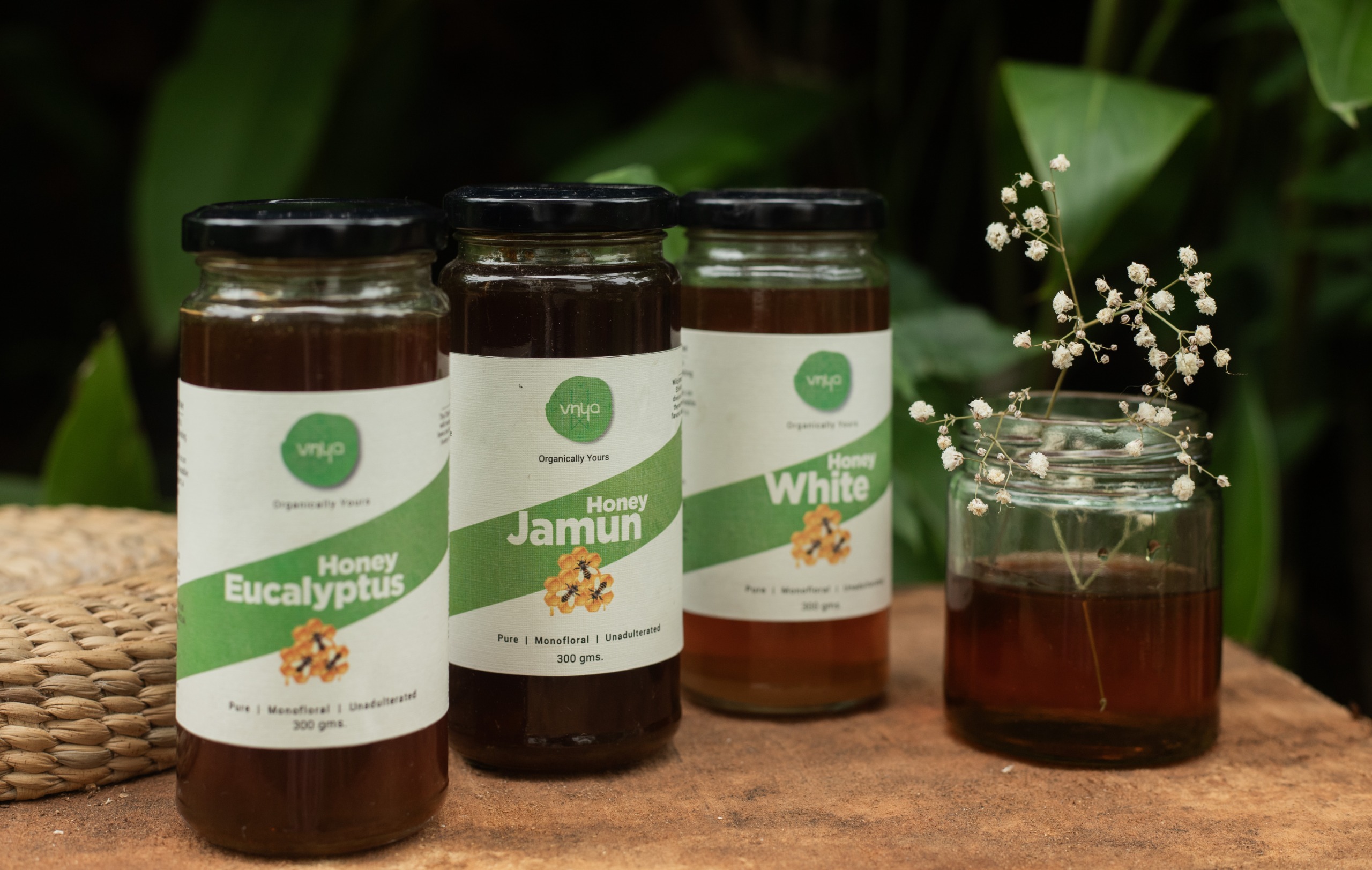
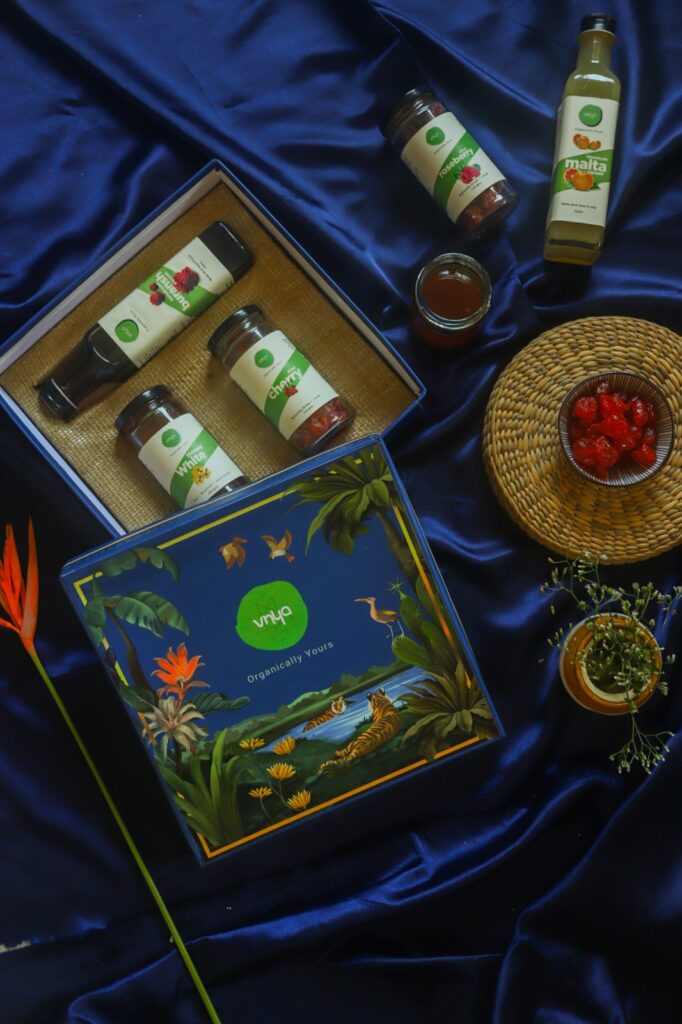
Vnya’s product range reflects the kind of food traditionally found in Indian homes. The brand produces small-batch pickles, masalas, jams, fruit preserves, raw honey, and traditional fruit squashes.
What distinguishes these products from commercial alternatives is the way they are made. Ingredients are sourced from naturally grown farms, many located in the Himalayan regions of Uttarakhand, and prepared using simple recipes rooted in traditional Indian cooking. Rather than focusing on uniformity and long shelf life, the brand prioritises freshness, seasonality, and minimal processing.
Its fruit squashes are particularly distinctive, made from regional ingredients such as buransh (rhododendron), malta, bael, litchi, and sea buckthorn. These fruits have long been part of local food traditions but rarely appear on mainstream supermarket shelves today. By reviving these ingredients, Vnya aims not only to create flavourful products but also to preserve elements of India’s diverse culinary heritage.
The Importance of Seasonal and Local Sourcing
For Supriya, sourcing locally and seasonally is the most honest way to work with food. Over time, she developed close relationships with farmers in Uttarakhand who continue to grow food using traditional methods.
The region’s rich biodiversity makes it home to unique ingredients and indigenous agricultural practices. One example she often highlights is the Badri cow, a native Himalayan breed that grazes freely on medicinal herbs in forested landscapes. Milk from these cows is traditionally churned into bilona ghee, producing a flavour and quality that reflects the region’s ecosystem.
Such experiences reinforce Supriya’s belief that food is inseparable from the land it comes from. Ingredients harvested in their natural season carry a character that cannot be replicated through industrial farming. By working directly with farmers, Vnya ensures transparency while supporting small agricultural communities.
The Philosophy of Old-Fashioned Cooking
At Vnya, the concept of “old-fashioned cooking” is less about nostalgia and more about patience and respect for ingredients.
Traditional Indian kitchens often relied on slow processes. Spices were roasted gently, fruits simmered into preserves, and pickles matured under the sun. Recipes were passed down through observation and instinct, what many refer to as andaz se cooking.
This instinctive approach valued time and attentiveness. At Vnya, small-batch production allows the team to maintain that same level of care. Chemical-free methods are not viewed as a trend but rather as a continuation of practices that existed long before industrial food processing became widespread. The goal is simple: allow good ingredients to speak for themselves.
Maintaining Integrity in Every Jar
Maintaining quality while growing a brand requires conscious restraint. For Supriya, the guiding principle is straightforward, if she would not serve a product to her own family, it should not carry the Vnya name.
Every jar that leaves the kitchen represents that responsibility. By avoiding shortcuts such as artificial additives or heavily altered processes, the brand ensures that each product remains as close as possible to the way food is traditionally prepared at home.
This commitment also means that variations between batches are natural. Fruits harvested in different seasons or regions may produce slightly different flavours, a reminder that food ultimately comes from nature rather than factories.
Challenges of Building a Slow-Food Brand
Building a handmade food brand in today’s fast-moving market is not without its challenges. The modern food industry is largely structured around scale, speed, and long shelf life, factors that do not easily align with slow, artisanal production.
Seasonal ingredients and small-batch cooking inevitably increase costs and production time. At the same time, the food industry increasingly emphasises packaging, branding, and marketing narratives rather than the product itself.
Despite these obstacles, Supriya remains committed to keeping the focus on ingredients, farmers, and authentic processes. Encouragingly, she has also noticed a growing curiosity among consumers about where their food comes from. This shift suggests that conversations around food are slowly evolving toward greater transparency and awareness.
Beyond Food: Building a Conscious Ecosystem
While Vnya began as a food brand, its vision extends beyond products. Supriya also co-founded The Clean Food Market, a platform that brings together small, like-minded food producers within local communities. The initiative encourages people to discover food makers who prioritise natural ingredients and traditional methods.
Another initiative, Waste-less by Vnya, focuses on reducing waste in events, housing societies, and everyday environments. Through this effort, Supriya hopes to address the environmental impact of consumption, an aspect she believes the food industry often overlooks. Together, these initiatives represent a broader mission to build a more conscious food ecosystem.
Looking Toward the Future
Supriya’s long-term vision for Vnya is to grow it into a brand that represents honest Indian food, food that respects the people who grow it, the land that nurtures it, and the traditions that shaped it.
India’s culinary heritage is vast, yet many regional ingredients, grains, and recipes are gradually disappearing from everyday kitchens. Through Vnya, she hopes to revive some of these forgotten elements and introduce them to a new generation.
At its core, Vnya remains what it was at the beginning: a reminder to stay rooted. By reconnecting food with farmers, traditions, and nature, the brand hopes to encourage a more thoughtful relationship with what people choose to eat. In doing so, Vnya quietly reminds us that sometimes the most meaningful progress lies in rediscovering the wisdom of the past.