
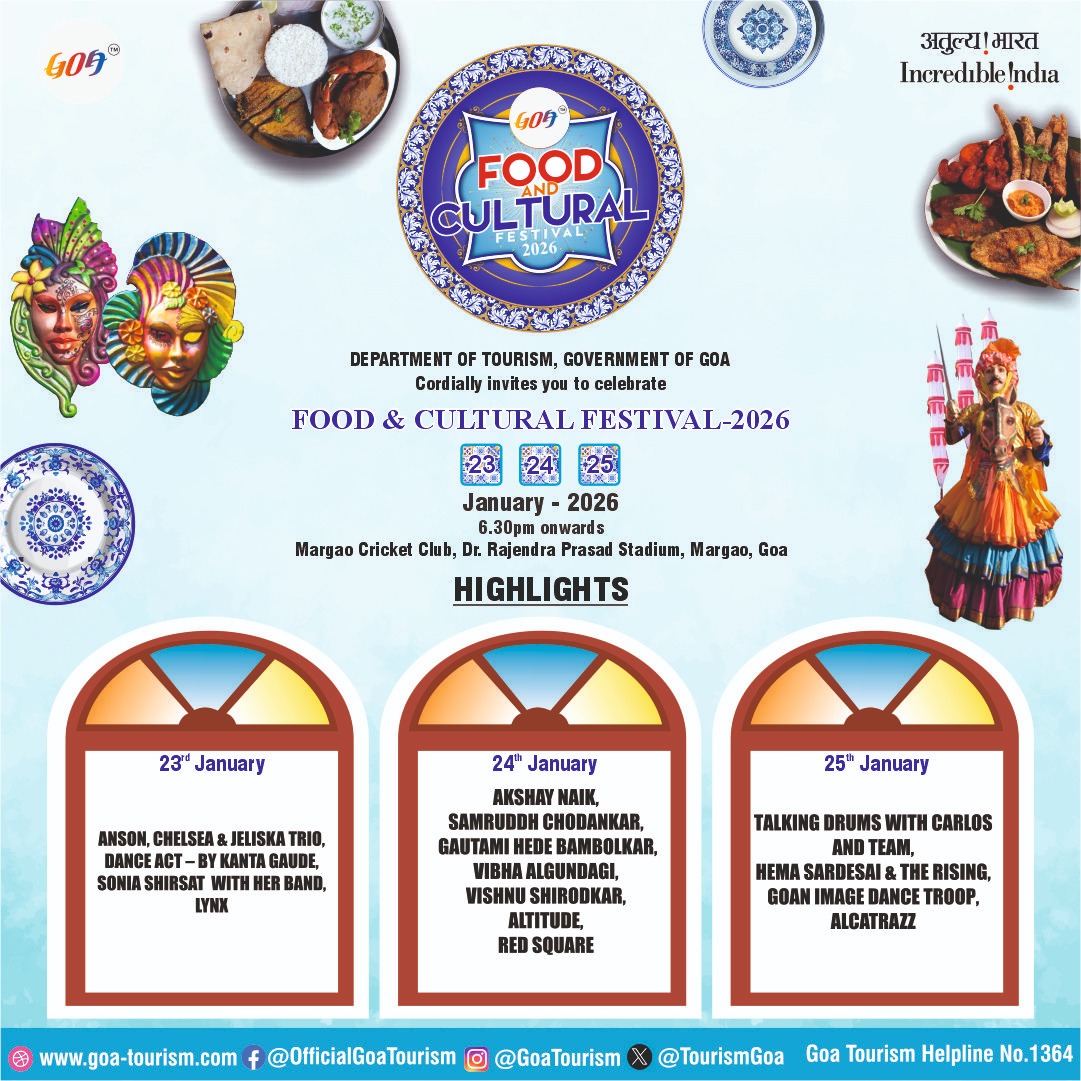
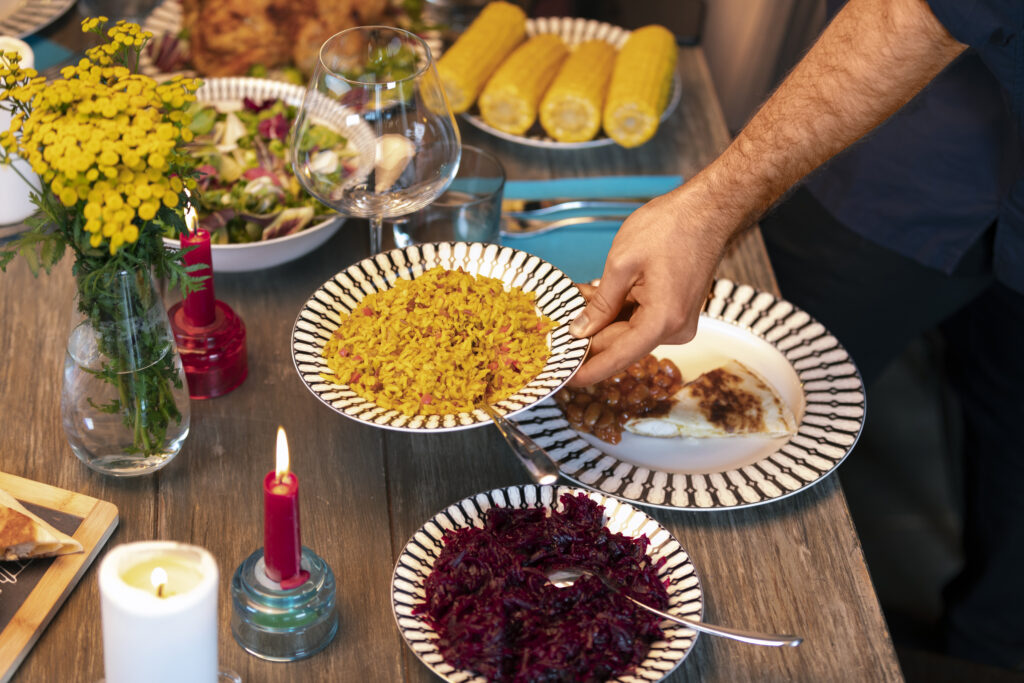
The Cultural Food Festival 2026 brings people together through food, stories, and shared traditions. More than just a culinary event, the festival celebrates cultural identity, regional heritage, and the deep connection between food and community. In 2026, the festival places a strong focus on authenticity, sustainability, and experiential dining.
Food as a Cultural Expression
Every dish served at the Cultural Food Festival 2026 tells a story. Chefs, home cooks, and food artisans actively showcase recipes passed down through generations. From traditional cooking techniques to heirloom ingredients, the festival highlights how food preserves history and reflects regional identity.
Visitors don’t just taste food—they experience culture through aromas, textures, and flavours that represent different communities and traditions.
A Platform for Regional and Indigenous Cuisine
The festival gives regional and indigenous cuisines the spotlight they deserve. Local food vendors actively present dishes that rarely appear on mainstream menus. This approach helps preserve culinary traditions while introducing audiences to lesser-known flavours and cooking styles.
By prioritising regional cuisine, the festival supports local livelihoods and keeps traditional food practices alive.
Interactive Experiences and Live Demonstrations
The Cultural Food Festival 2026 moves beyond static food stalls. Live cooking demonstrations, hands-on workshops, and chef-led sessions allow visitors to engage directly with the cooking process. Chefs explain the cultural significance behind each dish while demonstrating traditional methods.
These interactive experiences make learning about food enjoyable, accessible, and memorable.
Sustainability at the Core
Sustainability plays a central role in the 2026 edition of the festival. Organisers actively promote eco-friendly practices such as minimal food waste, reusable serveware, and locally sourced ingredients. Many stalls highlight organic produce and seasonal cooking, encouraging mindful consumption.
This conscious approach ensures that the festival celebrates culture while respecting the environment.
Music, Art, and Cultural Performances
Food shares the stage with music, dance, and visual art. Cultural performances run throughout the festival, creating an immersive atmosphere. Folk music, traditional dance forms, and storytelling sessions enrich the experience and strengthen the connection between cuisine and cultural expression.
These elements transform the festival into a holistic cultural celebration rather than just a food event.
Community and Cultural Exchange
The Cultural Food Festival 2026 actively fosters dialogue and exchange. People from different backgrounds connect over shared meals, learn about unfamiliar traditions, and build cultural understanding. Food becomes a bridge that encourages conversation and mutual respect.
This sense of community makes the festival welcoming, inclusive, and meaningful.
Why Cultural Food Festivals Matter Today
In a fast-paced, globalised world, cultural food festivals help people slow down and reconnect with their roots. They remind us of the value of tradition, craftsmanship, and local knowledge. The Cultural Food Festival 2026 reinforces the idea that preserving food culture also preserves identity.
Conclusion
The Cultural Food Festival 2026 celebrates more than taste; it honours heritage, sustainability, and human connection. By actively showcasing traditional cuisines, supporting local communities, and encouraging cultural exchange, the festival sets a powerful example of how food can unite people and preserve culture for future generations.