
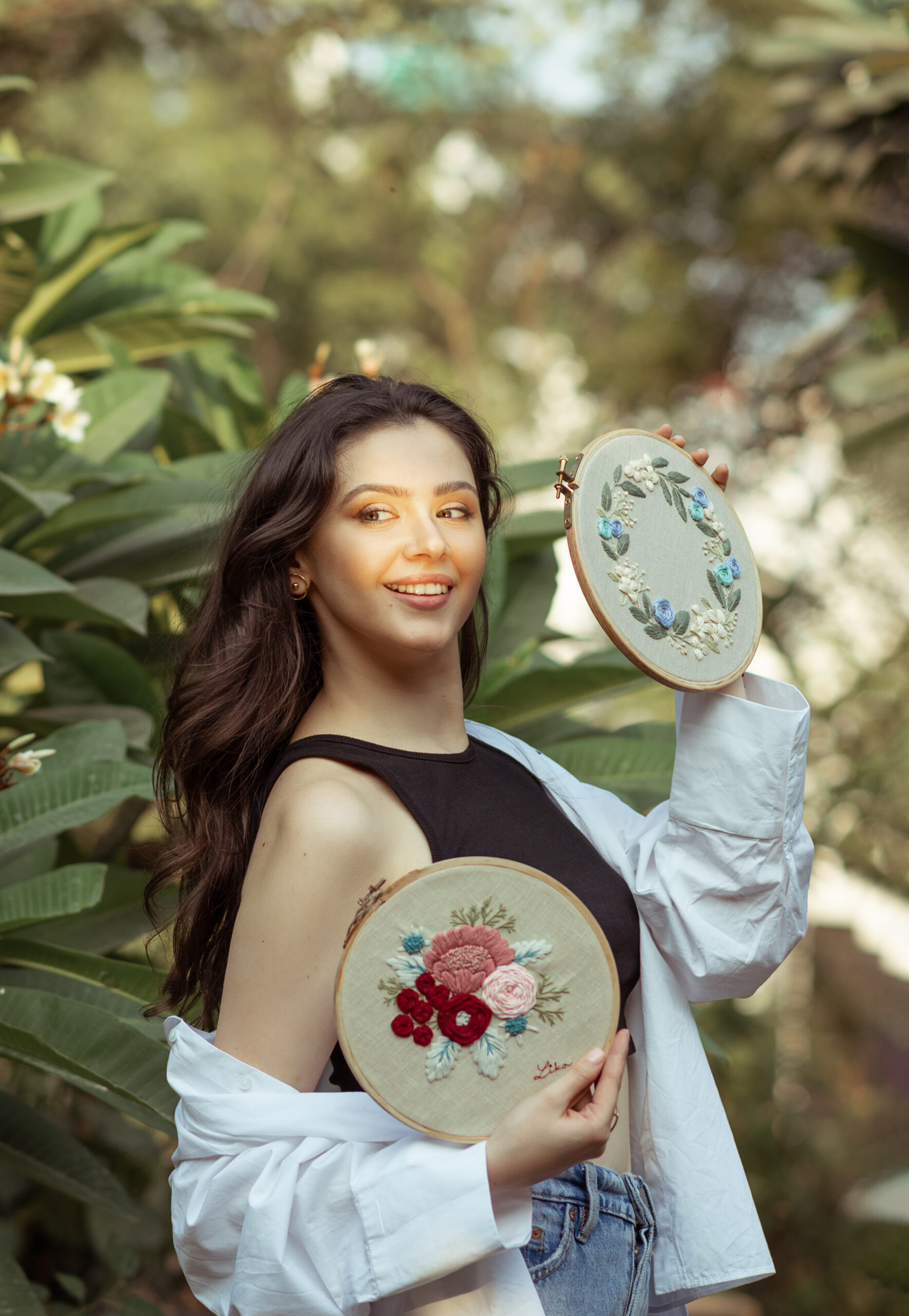
In an age where speed often takes precedence over substance, Golka Gallery stands as a thoughtful reminder that creativity flourishes when time is allowed to slow down. Founded by textile and embroidery artist Liza, the gallery is more than a creative studio, it is a sanctuary where thread, fabric, and mindful craftsmanship come together to celebrate the beauty of handmade art.
Built on the philosophy of “slow craft,” Golka Gallery transforms textile art into an immersive experience that encourages patience, self-expression, and a deeper appreciation for traditional techniques reimagined through a contemporary lens. Every stitch becomes a deliberate act of creativity, allowing participants to disconnect from the fast pace of everyday life and reconnect with the joy of making something by hand.
The Journey Behind Golka Gallery
Established in 2019, Golka Gallery began as an embroidery studio with a meaningful social mission. Liza trained underprivileged women in embroidery, equipping them with valuable artistic skills while creating opportunities for financial independence. Together, they showcased their work at exhibitions and gained recognition through magazine features and television appearances.
The arrival of the COVID-19 pandemic brought unexpected challenges, forcing the studio to close and putting its activities on hold. However, what initially appeared to be a setback became the catalyst for an entirely new direction. During the lockdown, Liza was invited to conduct an online embroidery workshop. The experience revealed a passion that would ultimately shape the future of Golka Gallery, not only creating art but teaching others how to create it.
As restrictions eased, offline workshops became the heart of the gallery. Since then, each session has been carefully designed to introduce fresh techniques while creating an environment where learning, creativity, and personal wellbeing go hand in hand.
A Lifelong Connection with Textile Art
Liza’s relationship with textiles began in childhood. Drawn to the warmth and comfort of fabrics and fibres, she discovered embroidery during her elementary school years. Inspired by her first lesson, she rushed home to recreate what she had learned, a piece that remains preserved by her mother to this day.
Over the years, her artistic journey expanded into weaving, knitting, crochet, sewing, and other fibre arts. Yet hand embroidery remained her deepest passion. More than an artistic discipline, it became a source of comfort, reflection, and emotional balance. Through countless hours spent working with needle and thread, embroidery evolved into both a creative practice and a form of meditation.
This deeply personal relationship with textile art now forms the foundation of every experience offered at Golka Gallery.
Creating Spaces That Inspire Calm and Creativity
What distinguishes Golka Gallery is not solely the techniques it teaches but the atmosphere it cultivates. Every workshop is intentionally designed to create a calm, welcoming space where participants can leave behind everyday distractions and focus entirely on the creative process.
Students range from complete beginners to experienced artists, yet every individual is encouraged to work at their own pace without the pressure of perfection. The emphasis is placed on exploration rather than flawless execution, allowing creativity to develop naturally.
Rather than simply leaving with a completed artwork, participants often walk away with something equally valuable, a renewed sense of calm, confidence, and appreciation for mindful craftsmanship.
Bridging Traditional Craft with Contemporary Art
While Golka Gallery celebrates centuries-old embroidery traditions, it continually pushes creative boundaries by blending classical craftsmanship with modern artistic expression.
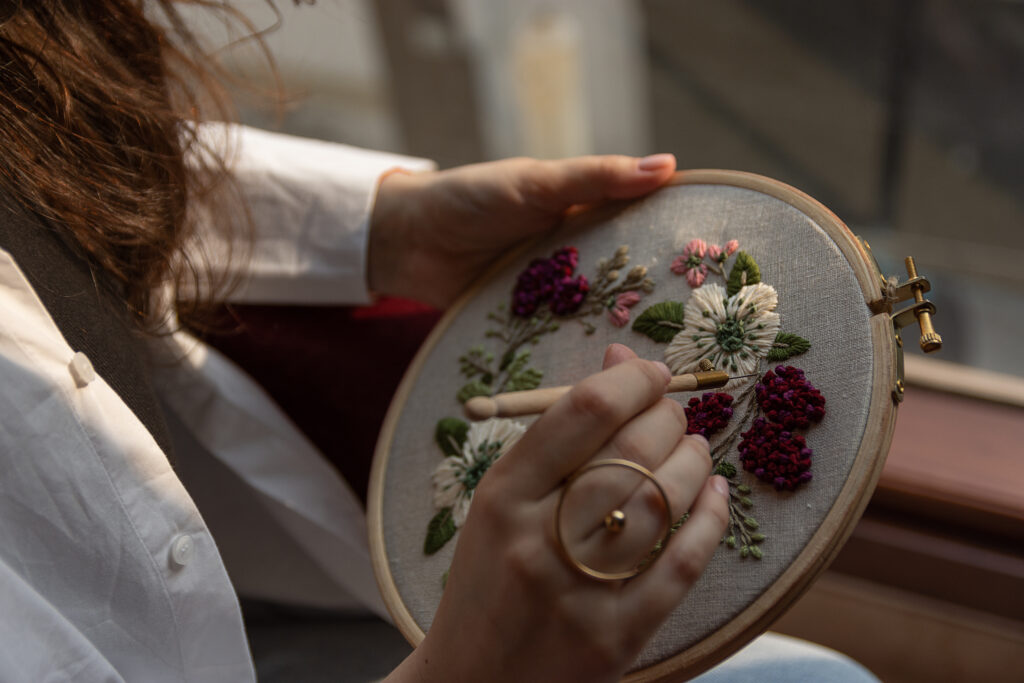
Its workshops demonstrate how traditional embroidery techniques can evolve into contemporary art forms without losing their heritage. Paint and Stitch combines the softness of watercolour with the precision of thread, producing richly textured compositions. Botanical embroidery captures the intricate beauty of flowers and plants through carefully layered stitches that mirror nature’s delicate forms.
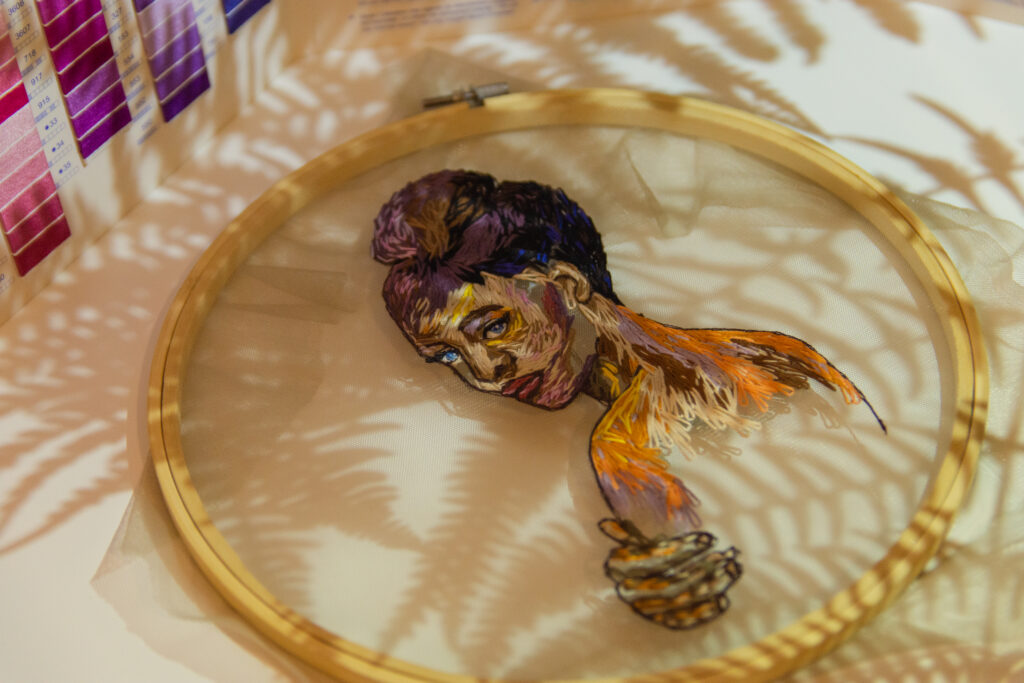
Drawing with Threads transforms the sewing needle into an artistic drawing tool, using free-motion embroidery to create expressive portraits, birds, wildlife, and abstract illustrations. These innovative approaches show how textile art can move beyond decorative craft and become a powerful medium for artistic storytelling.
Workshops That Celebrate Memory and Nature
Among Golka Gallery’s diverse offerings, two workshops have become particularly popular for their emotional and sensory appeal.
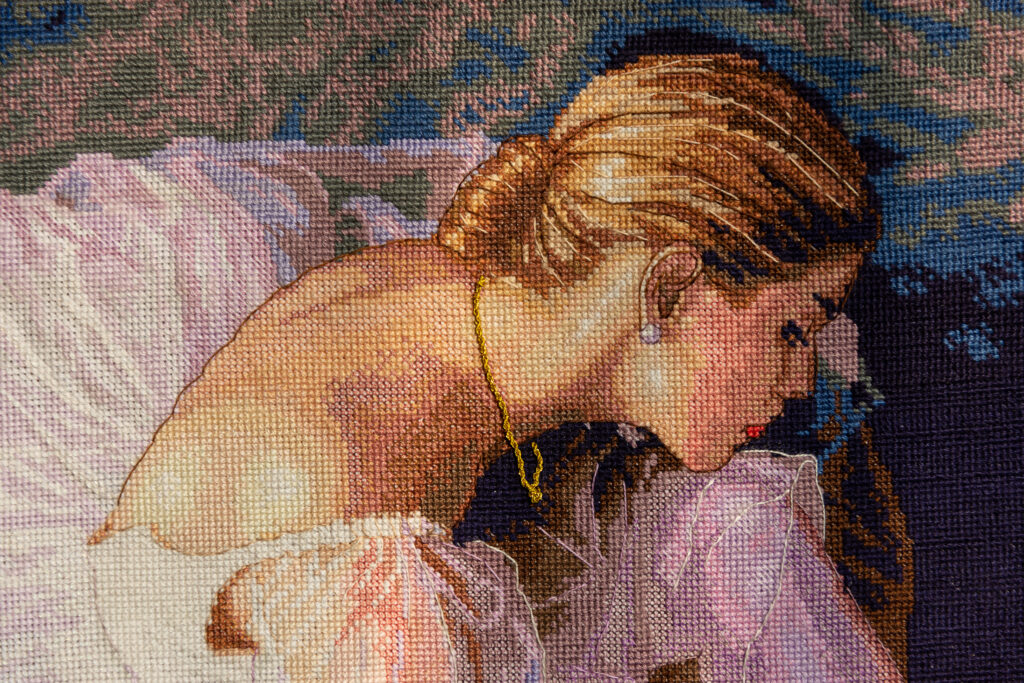
Photo Embroidery allows participants to stitch directly onto printed photographs, adding texture, colour, and dimension to cherished memories. By combining photography with embroidery, familiar images are transformed into deeply personal works of art that celebrate both memory and craftsmanship.
Flower Pounding offers an entirely different experience. Using fresh flowers, participants transfer natural pigments directly onto fabric through a traditional botanical printing technique. The process captures the colours and organic beauty of nature while introducing participants to one of textile art’s oldest and most instinctive creative practices.
Preserving Tradition Through Innovation
For Golka Gallery, innovation does not replace tradition, it grows from it. Every contemporary experiment begins with a solid understanding of hand embroidery fundamentals.
Traditional stitches provide the vocabulary, while modern techniques create new ways of expressing ideas. Whether incorporating printing methods, unconventional materials, or mixed-media elements, each creative exploration remains rooted in time-honoured embroidery skills. This balance ensures that textile art remains both culturally significant and relevant to contemporary audiences.
Teaching as a Transformative Experience
Teaching has become one of the most fulfilling aspects of Golka Gallery’s journey. Watching participants gradually release the fear of making mistakes and embrace the simple joy of creating is among its greatest rewards.
The transformation is often visible within a single workshop. Students arrive carrying the weight of busy schedules and daily responsibilities, but leave with handmade artwork, greater self-confidence, and a noticeably calmer state of mind. Shared laughter, creative conversations, and mutual encouragement turn every session into a collaborative experience where artistic growth happens naturally.
Creativity with Social Impact
Among Golka Gallery’s most meaningful collaborations was its partnership with the Red Rope Movement, an organisation dedicated to supporting survivors of human trafficking.
Liza conducted embroidery training sessions for women associated with the organisation, introducing them to textile art as both a creative outlet and a practical skill. While participants were initially hesitant, the workshops gradually became spaces of trust, connection, and shared accomplishment.
The project’s lasting impact became evident several months later when the women organised an exhibition showcasing their embroidery. Many also began creating embroidered garments and accessories, enabling them to earn an independent income while building new opportunities for themselves. The experience demonstrated how traditional craft can become a powerful tool for empowerment, confidence, and long-term social change.
Championing the Value of Handmade Craft
Despite the growing interest in handmade art, one of the industry’s greatest challenges remains the perception of its value. Handmade textiles require years of practice, technical mastery, and countless hours of preparation, yet artisans are often undercompensated for their expertise.
This issue extends beyond finished artworks to creative education itself, where skilled instructors frequently undervalue the time invested in designing workshops and refining techniques. Through its work, Golka Gallery continues to advocate for greater appreciation of craftsmanship and the dedication behind every handmade creation.
Looking Ahead
Innovation remains central to Golka Gallery’s vision for the future. New workshops exploring diverse materials and interdisciplinary artistic techniques are continually being developed to keep the creative experience fresh and engaging.
Plans are also underway to expand these workshops beyond the studio, beginning with Goa, where Liza hopes to collaborate with the region’s vibrant creative community. By introducing more people to textile art, Golka Gallery aims to foster meaningful artistic connections while continuing to celebrate the philosophy of slow, mindful making.
Celebrating the Art of Slowing Down
At its core, Golka Gallery is about far more than embroidery. It represents a growing movement that values intentional creation over instant results and craftsmanship over convenience.
In today’s digitally driven world, textile art offers a rare opportunity to pause, focus, and create something meaningful one stitch at a time. Through every workshop, every embroidered artwork, and every shared creative experience, Golka Gallery reminds people that making by hand is not merely an artistic practice, it is a way to reconnect with oneself, preserve tradition, and discover the quiet satisfaction found in slowing down.