
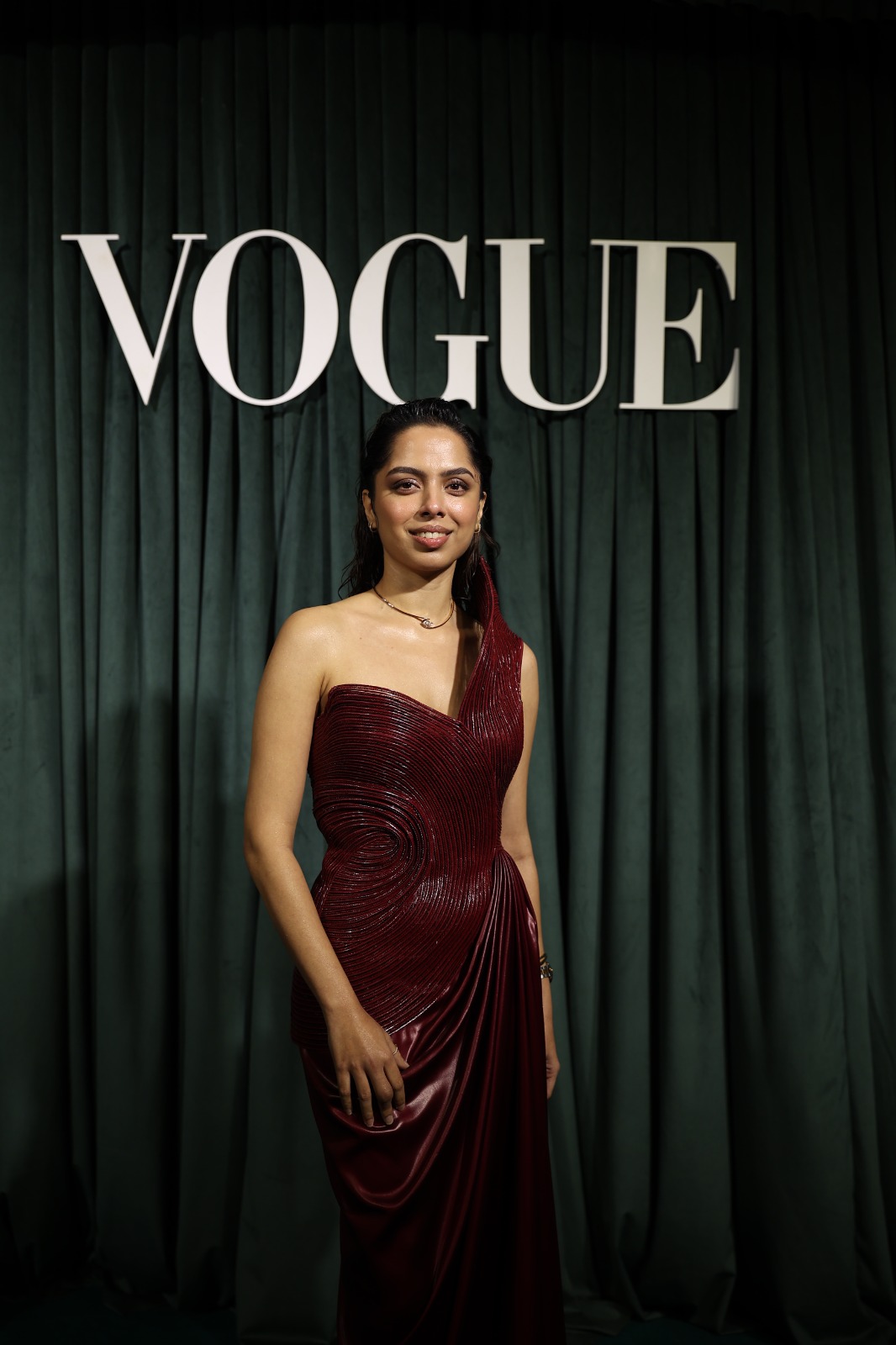
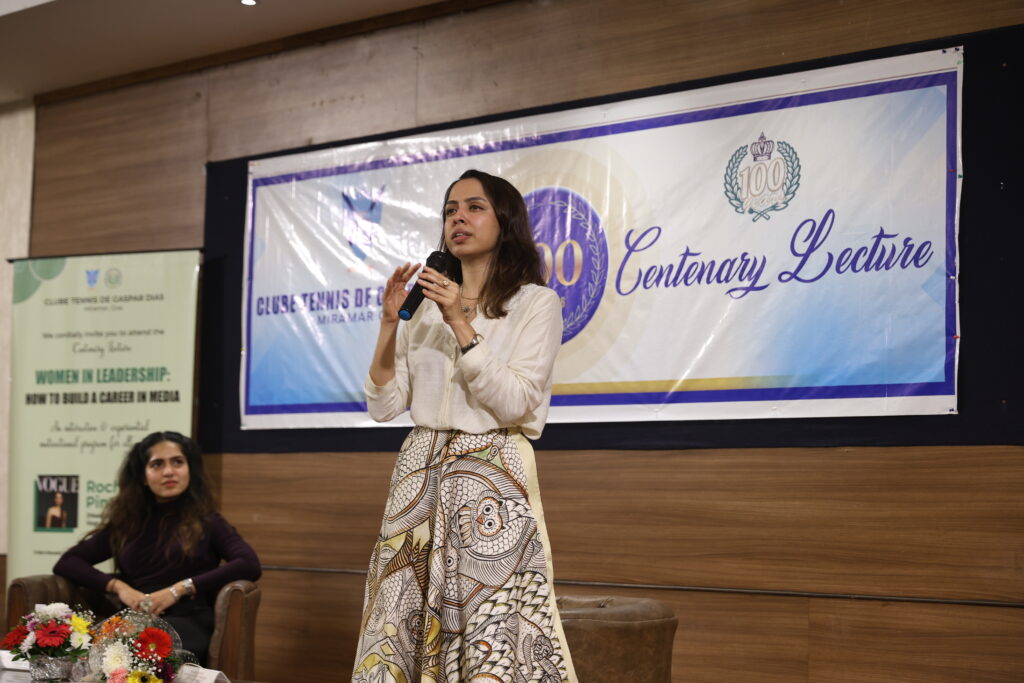
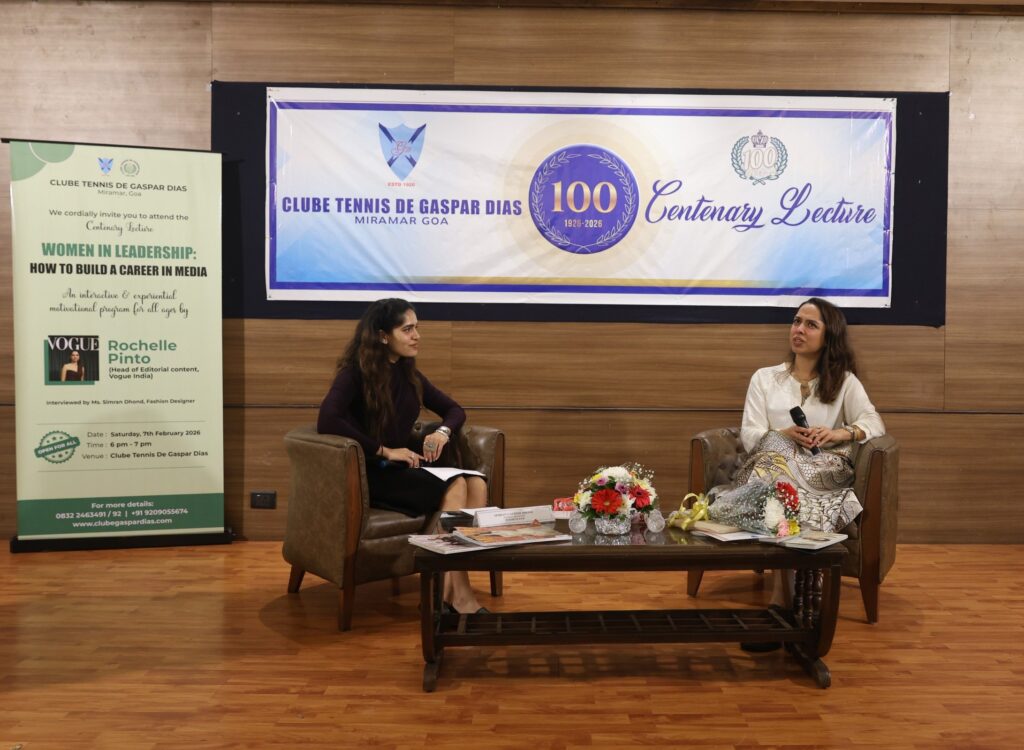
At the Centenary Lecture Series hosted by Clube Tennis de Gaspar Dias, Rochelle Pinto,Head of Editorial Content at Vogue India speaks about women in leadership and building a career in media. In a candid conversation with Its Goa, she reflected on the value of staying true to oneself and the years of discipline and dedication behind the title. She also shared her perspective on fashion as a language of expression and the grounding influence of her Goan roots in shaping her confidence and creative voice.
Q: Who is Rochelle beyond her work profession?
A: I am the same person in and out of my workplace. I am curious, an extrovert. I am deeply empathetic and care about other people. I like to use my privileges and advantages in life to help those who may not have the same privileges. I am goofy, I love to eat, and none of these things are kept at the door when I enter the job. I am the same person. I am not a good actor to be able to have a “work face” that people want.
Q: How do these qualities help you in your professional life?
A: If you are honest, it may be bitter to people. However, you come across as clear and always transparent. I can focus all my energy on what I must do, and not on things that are not important, like keeping up with lies. It has helped me in life, because if you are somebody who is not completely honest, you have to remember all the different stories you’ve told and the different things you’ve said to different people. So, I focus on my work.
Q: You are leading a fashion magazine in India. What does fashion mean to you?
A: Fashion means many different things. To me, fashion is a language and a way for people to communicate without saying a single word. It is a way to connect with people, to express yourself. It’s human craft, human creativity. We can walk around showing who we are and what we believe in without saying anything, just by the way we present ourselves to the world.
Q: How is leading as a woman in this industry?
A: I never think of myself as a woman. I’m human. It’s like if I asked you, ‘how easy is it to put on pants as a man?’ I don’t walk around life feeling the weight of being a woman. I was born this way. I don’t know any other way. I speak of my experience.
Q: Your journey as a journalist began in Goa. How has this state shaped you into who you are today?
A: A lot of who I am—the tendency to not take myself too seriously, the curiosity I have, the things I think are important in life—comes from where I grew up, the people around me, my home, my culture, and my parents. I think Goa as a place gives you a lot of safety, freedom, and natural resources, so you don’t have that constant sense of having to fight. Growing up in a place that treated me as an equal, being able to travel, meet different people, and be welcomed everywhere has given me a tremendous sense of confidence. I carry that confidence with me everywhere I go.
Q: What is your message to the Genz’s and those looking to get into this industry?
A: There is no replacement for hard work. People look at job titles and think things happened overnight. I am in my 18th year as a journalist, and that’s not counting all the internships, summer jobs, and everything I did since I was 11. I’m 37 years old, so that’s 26 years of working. There is no shortcut to that. That would be my message, especially to young people in Goa. We Goans have a very good and easy life, we don’t struggle in the same way many other parts of the world do. Sometimes it’s difficult for us to understand how much effort it takes to be successful.