
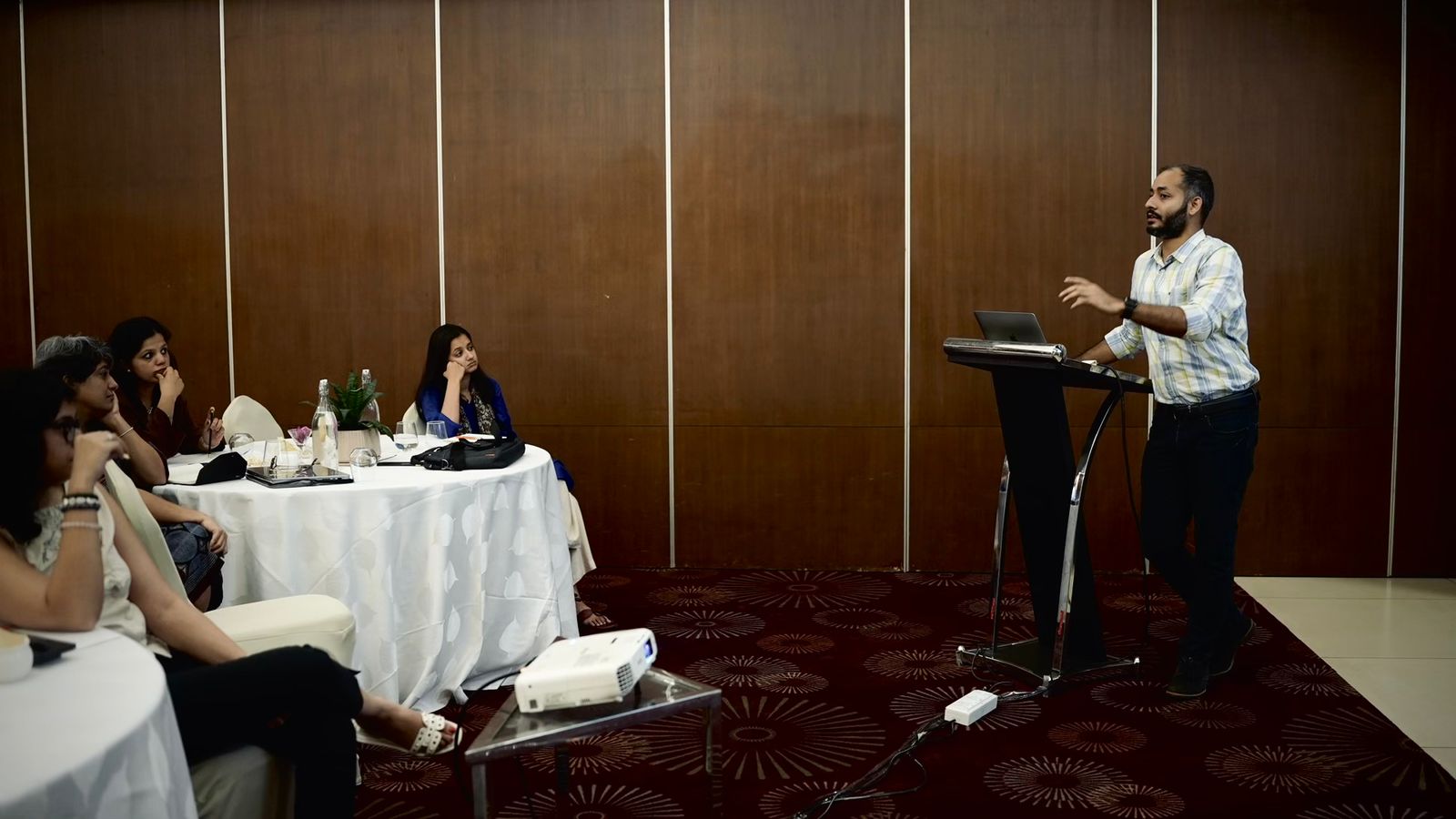
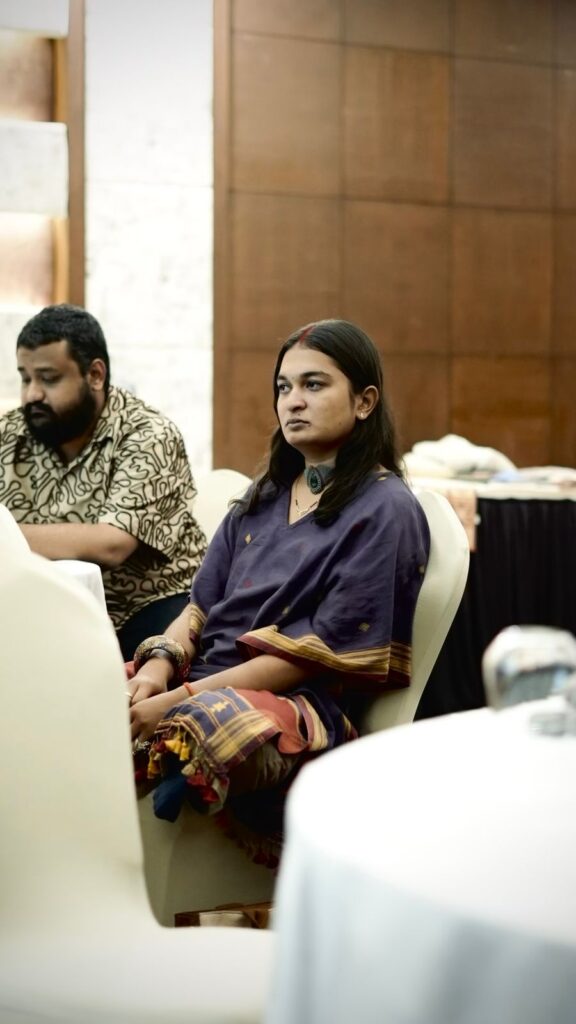
Ten early-stage cultural ventures from across India came together in Goa for the inaugural THE BRIJ Incubator Foundry Bootcamp by the Serendipity Arts and THE BRIJ Incubator. Over five days, founders strengthened their business ideas through workshops, mentorship and peer learning, preparing for the next stage of growth.
Panaji, August 2026 – In the cultural sector, ideas often grow from a desire to preserve traditional crafts, support artisan communities or celebrate local stories. Turning those ideas into sustainable businesses, however, is a challenge many founders face.
Serendipity Arts, in partnership with THE BRIJ Incubator and supported by the French Institute in India, organised the inaugural THE BRIJ Incubator Foundry Bootcamp at La Estoria Goa – IHCL SeleQtions, Candolim. The programme brought together ten founders selected from over 91 applications from across the country.
The selected ventures reflected the diversity of India’s cultural and creative economy, spanning artisan communities, publishing, product design, crafts, cultural tourism and technology. Founders shared a common goal of building businesses that could grow while staying true to the traditions that inspired them.
Throughout the week, participants attended sessions on customer discovery, branding, pricing, funding, strategy and pitching, working closely with mentors who pushed them to test their ideas and think more strategically about their ventures’ future. Peer learning was central to the programme, with many founders expressing that they learned as much from one another as they did from the formal workshops.
Smriti Rajgarhia, Director of Serendipity Arts, said that THE BRIJ Incubator Foundry was designed to help cultural entrepreneurs build sustainable businesses without losing sight of their creative vision. “We have a lot of passionate founders who are inspired by India, inspired by our entire culture, our vernacular languages and rooted in the regions they come from. We need them to wear both the creative hat and the business hat,” she said.
Supported by the French Institute in India, the programme impressed its cultural attaché, Amandine Roggeman, with its dedicated focus on incubating crafts and the arts. “I was really amazed by the idea of creating an incubator around the crafts and the arts in India because I think this kind of platform has been in existence so far,” she said, adding that preserving culture alone is not enough and initiatives like the Foundry Bootcamp can help build sustainable models that enable the cultural sector to grow and thrive.
Speaking about the significance of the initiative, Sunil Kant Munjal, Founder & Patron, Serendipity Arts and Chairman, THE BRIJ, said, “India’s cultural and creative sectors are home to extraordinary entrepreneurial talent. Across the country, founders are building enterprises rooted in craft traditions, cultural knowledge systems, and creative innovation. In doing so, they are generating livelihoods, strengthening communities, and creating meaningful social impact. Yet most still lack access to the support systems available to more conventional startups. The BRIJ Incubator Foundry was created to help bridge that gap. The diversity, ambition and commitment of this inaugural cohort show what becomes possible when cultural entrepreneurs receive the right support. They also strengthen our belief that cultural entrepreneurship will play an important role in shaping India’s future creative economy.”
The initiative forms part of a broader commitment to strengthening cultural entrepreneurship and innovation through international collaboration. Reflecting on the programme, Grégor Trumel, Counsellor for Cooperation and Culture and Director of the French Institute in India, said, “France is proud to support initiatives that empower emerging entrepreneurs working across the Cultural and Creative Industries (CCIs). The inaugural cohort of THE BRIJ Incubator Foundry demonstrates the richness, diversity and innovation present within India’s creative economy today. By providing founders with access to mentorship, networks and entrepreneurial tools, the programme contributes to building more sustainable cultural enterprises while opening doors for new areas of cooperation between France and India. Our national strategy for supporting CCIs in France has enabled us through the years to assess the potential of culture as an economic field and we want to share that expertise today with India.”
Rupinder Renee Kaur, founder of Goa-based The Mango House, said the programme came at exactly the right stage of her journey. “THE BRIJ has come at the most amazing time for us,” she said. “We were at a stage where everything was in my head and nothing was on paper,” she added, saying the bootcamp helped her build her first pitch deck and rethink her business assumptions.
Karthik Rajakumar, founder of Chennai-based House of Thinai, described the programme as an intensive experience that helped him step back and evaluate his venture more critically. “My experience at the Foundry was fantastic. I got to meet nine other cohort members and two great mentors,” he said.
The bootcamp concluded with all ten founders presenting their ventures and vision before a jury. A select group will now move into THE BRIJ Incubator’s three-to-six-month incubation programme for continued mentorship, with some also getting the opportunity to showcase their work at the 2026 Serendipity Arts Festival.