
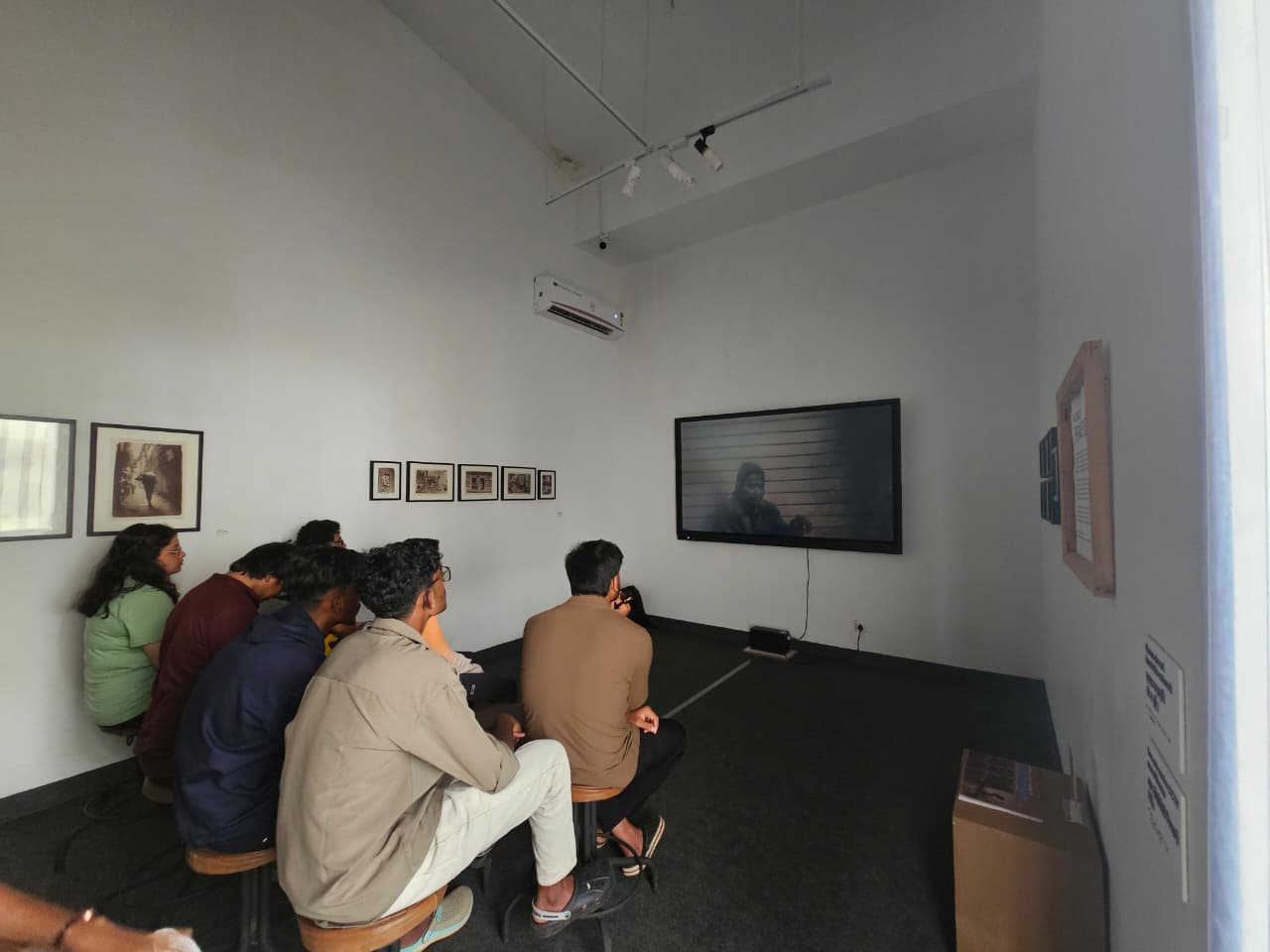
A Voyage to Permanence brought Purandar Chaudhuri’s experimental cinema to the Museum of Goa, Pilerne, alongside photography, sound and visual essays. Across three days, the exhibition explored movement, displacement and memory while giving audiences time to pause, look closely and experience Chaudhuri’s work beyond the screen.
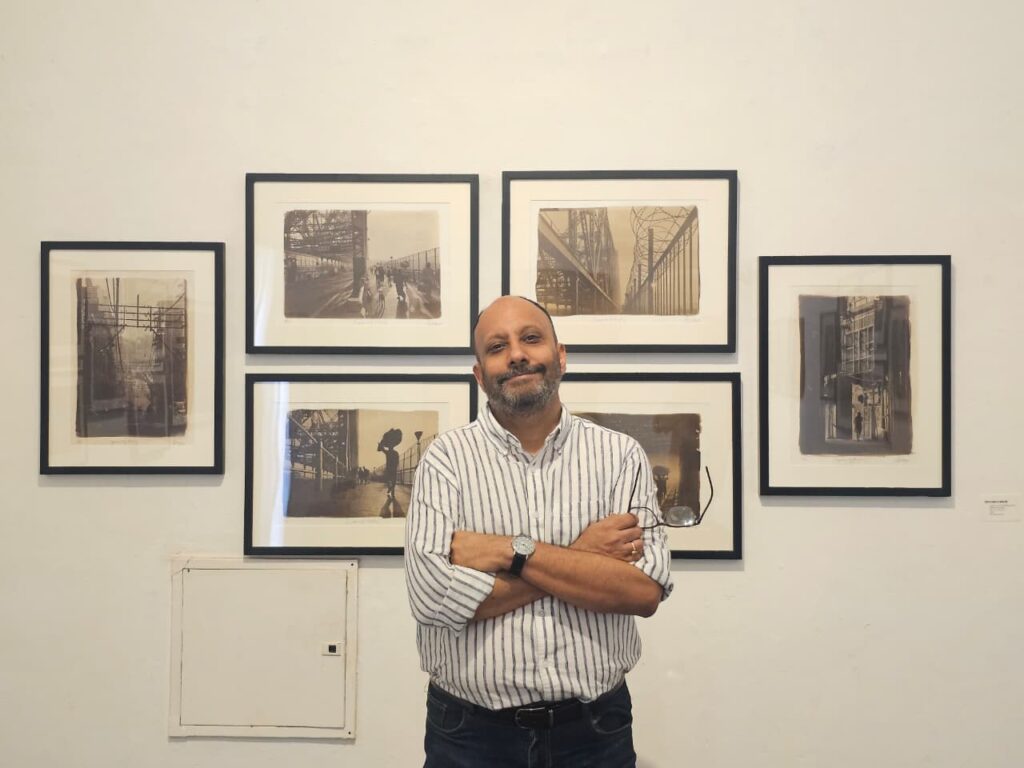
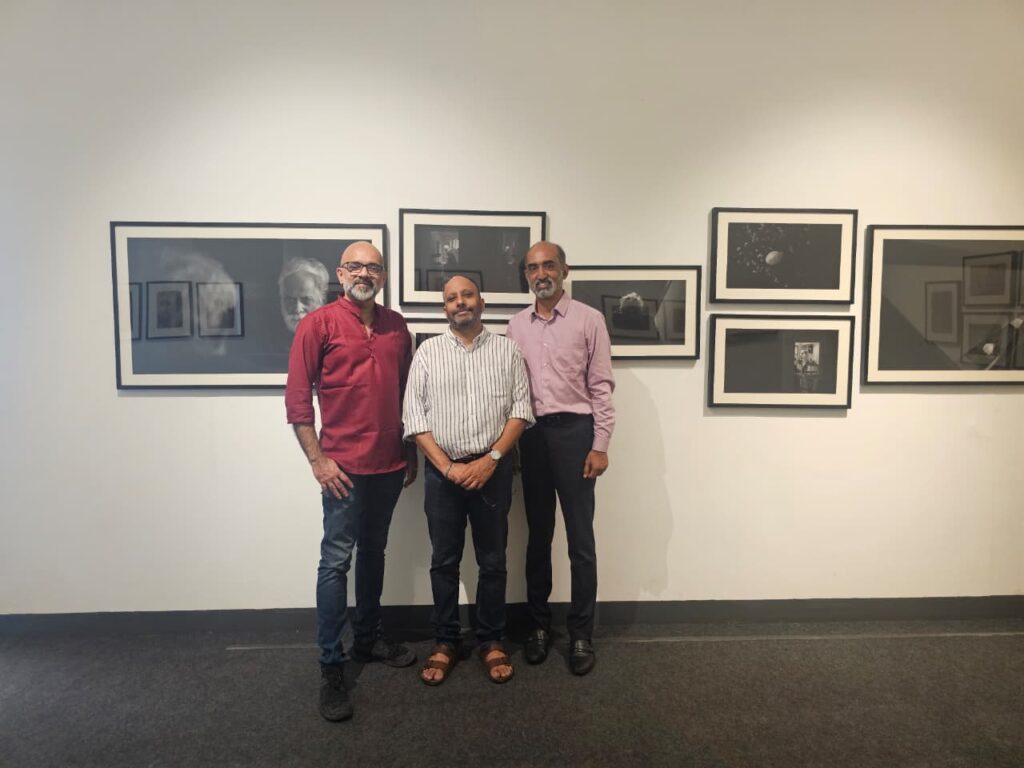
Panaji, August 2026: The Museum of Goa, Pilerne, hosted A Voyage to Permanence from August 12 to 14, presenting the work of film director Purandar Chaudhuri through screenings, photographic works and alternative prints. Conceived and led by curator Jooby Yohannan, curated by Johny ML, art critic and curator, with exhibition visuals by photographer Prakash Braggs, the exhibition brought together experimental cinema, photography, sound and visual essays, creating a gallery experience that extended Chaudhuri’s work beyond the screen.
Chaudhuri grew up in Kolkata watching films by Satyajit Ray, Ritwik Ghatak and Mrinal Sen. He began making films around 2021, drawn to the visual possibilities of cinema. “Film is a very strong and a very powerful art form. For me, I think it is the visual storytelling part which I actually find to be the most creative or almost the artistic bit of it,” he says.
The exhibition featured Dhushor, Tremors and Impressions of Mingling, three films shaped by different observations. Dhushor was inspired by Aparajito and its wandering protagonist, whose journey becomes a search for himself and the world around him. Tremors came from Chaudhuri’s observation of an ageing man dealing with loneliness and memories of a generation that experienced war, Partition and displacement.
Impressions of Mingling takes movement further, looking at people crossing countries, borders and continents. Chaudhuri describes it as a “never ending voyage”. He also sees traces of his own family history in people he observes at railway stations, bus depots, markets and streets. “It kind of haunts you,” he says. “You kind of relate to them in a very different way.”
Bengaluru-based curator Jooby Yohannan first encountered Chaudhuri through a mutual friend and was later introduced to Dhushor. He watched the film in a dark setting and was struck by its images. “Each frame was a photographic representation of the whole film,” he recalls. That response led to the idea of presenting the film alongside photographic prints. “Rather than showing it just as a film screening,” Yohannan says, “we can go beyond screening where we can use those images as photographic prints and view both this film and the photographic prints together.”
Bengaluru-based commercial photographer Prakash Braggs, who created the exhibition visuals, has worked with Chaudhuri for around five years. Their association began with the documentary Life in a Bowl and developed through filmmaking and an interest in abstraction. “Purandar uses a lot of metaphor, a lot of abstraction,” Braggs says. “It makes you think about what you watch and how you perceive those images into your own narrative as a visual.”
Slowing down is central to how Braggs hopes audiences will experience the exhibition. “We have forgotten to observe and absorb,” he says. “I feel sometimes quietness can teach you more than noise.”
Yohannan also saw the possibilities of bringing different forms together during an earlier presentation in Delhi, where a performance by Dr. S. Boominathan, theatre practitioner, preceded the film. “The performance spoke and also the prints,” he says. “All these three put together gave a different dimension to the whole thing.”
Chaudhuri believes this slower engagement is central to his work. His films come from what he describes as “a deep introspection to life itself”. In a fast-paced life, “you require slowness, you require to slow down to introspect or to reflect on life generally.”
He also sees time as one of the film’s strengths. “Film is a medium which gives you the concept of time,” he says. A moving image allows viewers to experience different moments and follow a journey. An image, he believes, also needs patience from the viewer. “You need to watch that particular image for some time” before a thought or reaction can develop.
The exhibition A Voyage to Permanence will be on till the 23rd of August, 2026 at the Museum of Goa.